This article contains affiliate links. If you buy through them, we may earn a commission at no extra cost to you.
Sleep and Beauty: The Science Behind Your Skin's Nightly Reset
Every night, while you sleep, your skin quietly does some of its most important work. Cell turnover accelerates, collagen production increases and the moisture barrier actively repairs itself. If you have ever woken up after a full eight hours looking noticeably more rested and radiant, that is not your imagination — that is biology in action. Understanding the connection between sleep and beauty can genuinely change the way you approach your skincare routine.
What Happens to Your Skin While You Sleep
Sleep is divided into cycles, and the deep slow-wave stages are where the real skin magic happens. During these phases, the body releases a surge of human growth hormone (HGH), which triggers cell repair and regeneration. This means damaged skin cells are replaced, collagen fibres are rebuilt and inflammation is reduced — all without you lifting a finger.
- Cell renewal peaks at night: Skin cell mitosis (division) is significantly higher between 11 pm and 4 am, making these hours critical for a healthy complexion.
- Cortisol drops: The stress hormone cortisol falls during sleep, giving your skin a break from the inflammation and oil overproduction it causes during the day.
- Blood flow increases: Enhanced circulation delivers oxygen and nutrients directly to skin cells, supporting that well-known morning glow.
- Moisture balance shifts: Transepidermal water loss (TEWL) increases slightly at night, which is why a good overnight moisturiser or barrier serum matters so much.
The Beauty Consequences of Poor Sleep
Chronic sleep deprivation shows up on the skin faster than almost any other lifestyle factor. Studies have found that even a few nights of poor sleep can lead to increased fine lines, uneven skin tone, reduced elasticity and a compromised moisture barrier. Dark circles, puffiness and a dull, grey-looking complexion are all classic signs that your body has not had enough time to repair overnight.
For those with sensitive or reactive skin, the effects can be even more pronounced. A weakened skin barrier caused by poor sleep is less able to defend against environmental irritants, bacteria and allergens — making redness, breakouts and sensitivity more likely.
Overnight Skincare: Making the Most of Your Sleep Window
Because the skin is in active repair mode at night, this is when targeted skincare ingredients can work at their most effective. A few smart additions to your evening routine can significantly amplify the results your skin achieves while you sleep.
Prioritise Barrier Support
Ceramides are among the most important ingredients for nighttime skincare. They are the lipids that hold your skin barrier together, sealing in moisture and keeping irritants out. If your skin leans sensitive or reactive, or if you notice redness and tightness in the morning, a dedicated ceramide product is worth considering as the cornerstone of your evening routine.
Layer Thoughtfully
- Cleanser: Remove the day's buildup gently — harsh cleansers strip the barrier before it has a chance to repair.
- Serum: Apply targeted actives such as hyaluronic acid, niacinamide or ceramides while skin is slightly damp.
- Moisturiser or sleeping mask: Seal everything in with an occlusive or semi-occlusive layer to prevent moisture loss overnight.
- Eye cream: The delicate eye area loses moisture fastest — a small amount of targeted cream goes a long way.
Your Sleep Environment Matters Too
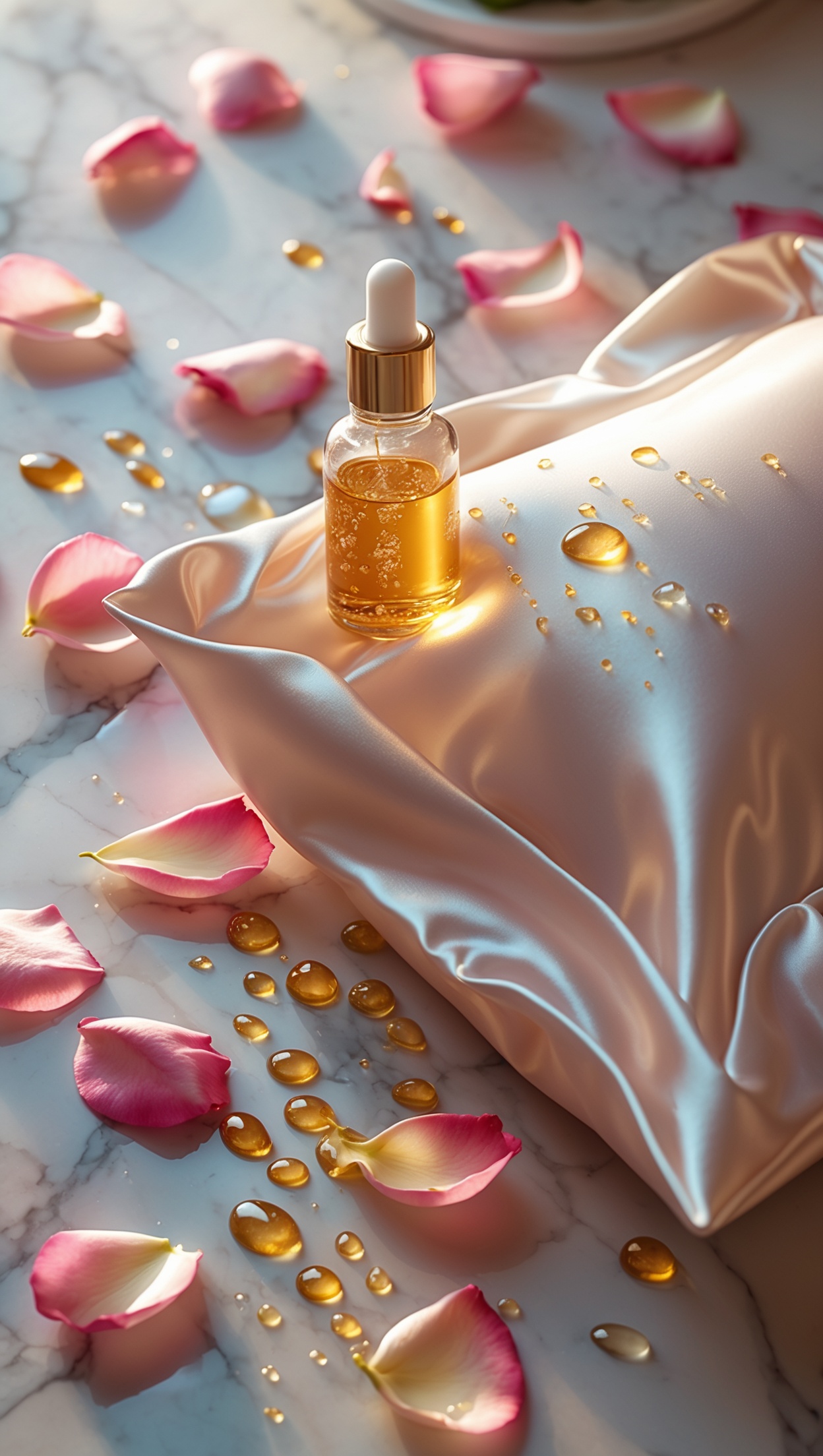
It is not just what you put on your skin but also the environment you sleep in that affects your complexion. A silk or satin pillowcase reduces the friction that contributes to sleep creases and morning puffiness. Keeping your bedroom cool and well-humidified helps maintain the skin's moisture levels through the night. And yes — sleeping on your back, if you can manage it, minimises pressure on facial skin.
How Many Hours Do You Actually Need?
Most adults need between seven and nine hours of sleep for optimal skin repair. Research from University Hospitals Case Medical Center found that poor sleepers showed increased signs of skin ageing and slower recovery from stressors like UV exposure. Quality matters as much as quantity: interrupted sleep disrupts the repair cycles even if total hours look adequate on paper.
Simple Habits That Improve Sleep Quality for Better Skin
- Consistent sleep schedule: Going to bed and waking at the same time daily regulates your circadian rhythm, which in turn synchronises your skin's repair cycles.
- Limit blue light exposure: Screens suppress melatonin production. Dim your devices at least an hour before bed.
- Evening wind-down ritual: A short skincare routine, light stretching or a warm shower signals to your body that sleep is coming — and doubles as self-care.
- Stay hydrated: Drinking enough water throughout the day (not just before bed) keeps skin plumper and better able to retain moisture overnight.
The Bottom Line
Beauty sleep is not a myth — it is one of the most evidence-backed tools in your skincare arsenal. Prioritising consistent, quality rest gives your skin the time it needs to renew, repair and strengthen its natural defences. Pair that with an evening routine that supports your barrier, and you have a genuinely powerful, low-effort approach to long-term skin health.
If you have sensitive or reactive skin and want to support your barrier overnight, you can get it from Quiet Dose — including a fragrance-free ceramide serum with five ceramides and no essential oils or strong acids — to wake up to calmer, more resilient skin. Note that it is sold as a subscription.