Curly Hair Care Routine for Defined Curls

Pflege-Routine für lockiges Haar mit definierten Locken

Curly Hair Care Routine for Defined Curls

Image: AI-generated · Bild: KI-generiert

🇬🇧 English

This article contains affiliate links. If you buy through them, we may earn a commission at no extra cost to you.

Curly Hair Care Routine for Defined, Frizz-Free Curls

Getting consistently defined curls isn't about luck — it's about building the right routine and sticking to it. Whether your hair is wavy, loosely curled, or tightly coiled, the steps below will help you understand what your curls actually need and how to give it to them every single wash day.

If you're also experimenting with hairstyle changes or want to protect your natural curls while they recover, Zlike Hair offers 100% human hair wigs in glueless wear-and-go and lace styles — a great option to switch up your look without heat or manipulation stress on your own hair.

Step 1: Start with a Gentle, Sulfate-Free Cleanse

Curly hair tends to be drier than straight hair because the natural oils from your scalp have a harder time traveling down the spiral shaft. That's why the first step in any curly hair care routine is choosing the right shampoo.

  • Sulfate-free shampoos clean your scalp without stripping away essential moisture.
  • Co-washing (washing with conditioner only) is a good option for very dry or tightly coiled hair types between regular wash days.
  • Focus shampoo on your scalp, not the lengths, and let the rinse water cleanse the rest.

How Often Should You Wash Curly Hair?

Most curl types do well with washing once or twice a week. Over-washing disrupts your scalp's natural oil balance and leads to increased frizz and dryness.

Step 2: Deep Condition Every Wash Day

Moisture is the foundation of defined curls. A deep conditioner or hair mask applied after every shampoo helps to restore hydration, reduce breakage, and make your curls more manageable and elastic.

  • Apply deep conditioner from mid-length to ends, where hair is most porous and dry.
  • Use a shower cap and leave it on for 15–30 minutes — or sit under a hooded dryer for deeper penetration.
  • Look for ingredients like shea butter, glycerin, aloe vera, and hydrolyzed proteins in your conditioner.

Step 3: The LOC or LCO Method for Long-Lasting Moisture

Once you've rinsed out your conditioner, the LOC method (Liquid, Oil, Cream) or LCO method (Liquid, Cream, Oil) helps seal moisture into each strand before it evaporates.

  • Liquid: Start with a leave-in conditioner or water-based product to hydrate.
  • Oil: Apply a lightweight oil (argan, jojoba, or sweet almond) to seal the cuticle.
  • Cream: Finish with a curl cream or butter to define and smooth.

Experiment with LOC vs. LCO depending on your hair's porosity. High-porosity hair often prefers LCO because cream over oil creates a better barrier for highly porous strands.

Step 4: Apply a Styling Product While Hair Is Soaking Wet

This is where curl definition really happens. The key is to style curly hair while it's completely saturated — never on dry or damp hair.

  • Curl gels provide strong hold and help fight humidity-induced frizz.
  • Curl mousses are lighter and work well for fine or wavy hair.
  • Custards and creams give softer definition without crunch.

The Praying Hands and Scrunching Technique

Smooth your styling product through sections using praying hands (pressing both palms together around a section and sliding down), then scrunch upward from the ends toward the scalp to encourage the curl pattern to clump and form.

Step 5: Dry Without Disrupting the Curl

How you dry your curls is just as important as how you style them. Towel-drying with a regular terry cloth towel causes friction, frizz, and broken curl clumps.

  • Use a microfiber towel or a cotton T-shirt to gently scrunch out excess water.
  • Diffusing with a blow dryer on low heat and low speed speeds up drying while maintaining curl shape.
  • Air drying gives the softest results but requires patience — avoid touching curls while they dry.

Step 6: Break the Gel Cast and Refresh

If you used a gel, your curls will dry with a crunchy cast — that's normal and means it's working. Once hair is 100% dry, scrunch out the crunch by squeezing your curls gently with a small amount of hair oil or serum in your palms.

How to Refresh Curls Between Wash Days

  • Mist curls lightly with water or a diluted leave-in spray.
  • Scrunch in a small amount of gel or cream to revive definition.
  • Use a diffuser for 2–3 minutes to reset the shape.

Step 7: Protect Curls at Night

Preserving your curl definition overnight extends the life of your wash-and-go and prevents tangles and frizz from cotton pillowcases.

  • Pineapple your hair (a loose, high ponytail on top of your head) to protect the curl pattern.
  • Sleep on a satin or silk pillowcase, or use a satin bonnet or scarf.
  • For tighter curls, try banding (using soft scrunchies along the length) to prevent shrinkage overnight.

Building Your Curly Hair Product Shelf

You don't need dozens of products — you need the right ones for your curl type and porosity. Start with a sulfate-free shampoo, a rich deep conditioner, a leave-in, an oil, and a hold product. Once you've nailed the basics, you can layer in treatments like protein masks or scalp serums as needed.

If you're curious about trying new styles while growing out or resting your natural curls, Zlike Hair has a range of 100% human hair wigs — including glueless, wear-and-go options — so you can protect your hair without sacrificing style.

Final Thoughts

A consistent curly hair care routine takes a little trial and error, but once you find what works for your specific curl type, the results speak for themselves: bouncy, defined, frizz-free curls that turn heads. Be patient, stay hydrated (inside and out), and remember that every curl pattern is beautiful.

If you want to switch up your hairstyle while protecting your natural curls, you can explore styles via Zlike Hair — including glueless wear-and-go and lace styles in 100% human hair — to change your look without heat or manipulation stress.
🇩🇪 Deutsch

Dieser Artikel enthält Affiliate-Links (Werbung). Kaufst du darüber, erhalten wir ggf. eine Provision – für dich ohne Mehrkosten.

Pflege-Routine für lockiges Haar mit definierten Locken

Definierte, frizz-freie Locken entstehen nicht zufällig — sie sind das Ergebnis einer durchdachten Pflege-Routine, die auf die Bedürfnisse deines Lockentyps abgestimmt ist. Egal ob du wellige Haare, lockige Kringel oder engste Coils hast: Die folgenden Schritte zeigen dir, wie du deinen Locken genau das gibst, was sie brauchen.

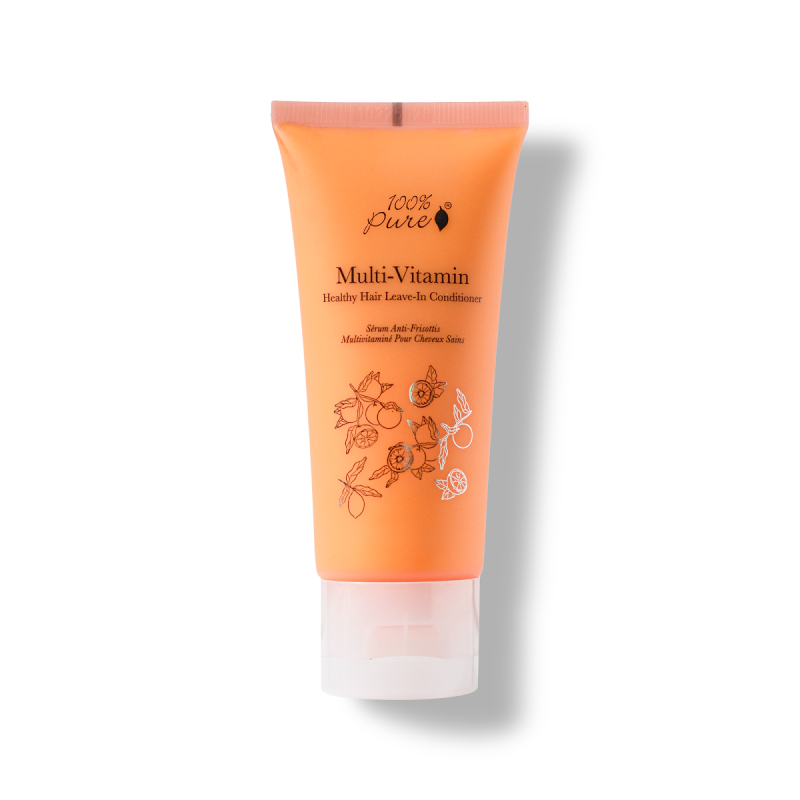
Wenn du nebenbei natürliche Produkte für deine Haarpflege suchst, bietet 100% Pure natürliche Kosmetik aus Kalifornien ohne synthetische Duftstoffe, Petrochemikalien oder chemische Konservierungsstoffe — ideal für alle, die ihre Lockenpflege bewusst und clean gestalten möchten.

Schritt 1: Sanftes Waschen mit sulfatfreiem Shampoo

Lockiges Haar neigt zu Trockenheit, weil die natürlichen Öle der Kopfhaut den gewundenen Haarschaft nur schwer hinuntergleiten können. Deshalb ist die Wahl des richtigen Shampoos der erste wichtige Schritt in jeder Lockenpflege-Routine.

  • Sulfatfreie Shampoos reinigen die Kopfhaut, ohne die natürliche Feuchtigkeit zu entziehen.
  • Co-Washing (Waschen nur mit Conditioner) eignet sich für sehr trockene oder enggelockte Haartypen zwischen den regulären Waschtagen.
  • Shampoo gehört auf die Kopfhaut — die Längen werden beim Ausspülen mitgereinigt.

Wie oft sollte man lockiges Haar waschen?

Die meisten Lockentypen kommen gut mit einmal bis zweimal Waschen pro Woche aus. Zu häufiges Waschen stört das natürliche Gleichgewicht der Kopfhaut und führt zu mehr Frizz und Trockenheit.

Schritt 2: Intensivpflege mit einer Haarmaske

Feuchtigkeit ist die Grundlage für definierte Locken. Eine Haarmaske oder ein intensiver Conditioner, der nach jedem Waschen angewendet wird, gibt dem Haar Hydration zurück, reduziert Haarbruch und macht die Locken geschmeidiger und elastischer.

  • Trage die Haarmaske von Mitte bis Spitzen auf — dort ist das Haar am porösten und trockensten.
  • Deck das Haar mit einer Duschhaube ab und lass die Maske 15–30 Minuten einwirken.
  • Achte auf Inhaltsstoffe wie Sheabutter, Glycerin, Aloe Vera und hydrolysierte Proteine.

Schritt 3: Die LOC- oder LCO-Methode für langanhaltende Feuchtigkeit

Nach dem Ausspülen der Haarmaske hilft die LOC-Methode (Liquid, Oil, Cream) dabei, Feuchtigkeit in die Haarstruktur einzuschließen, bevor sie verdunstet.

  • Liquid (Flüssigkeit): Leave-in Conditioner oder wasserbasiertes Produkt zur Hydration.
  • Oil (Öl): Leichtes Öl (Arganöl, Jojobaöl) zum Versiegeln der Schuppenschicht.
  • Cream (Creme): Lockendefinierende Creme oder Butter zum Glätten und Formen.

Ob LOC oder LCO besser funktioniert, hängt von deiner Haarporosität ab. Hoch poröses Haar profitiert oft mehr von LCO, weil die Creme als zusätzliche Barriere über dem Öl wirkt.

Schritt 4: Stylingprodukt auf nasses Haar auftragen

Hier entsteht die eigentliche Lockendefinition. Das Wichtigste: Lockiges Haar wird immer auf komplett nassem Haar gestylt — niemals auf trockenem oder leicht feuchtem Haar.

  • Lockengels bieten starken Halt und schützen vor Feuchtigkeit und Frizz.
  • Schaumfestigungen sind leichter und eignen sich gut für feines oder welliges Haar.
  • Lockencustards und -cremes geben weichere Definition ohne Knittereffekt.

Praying Hands und Scrunching-Technik

Verteile das Stylingprodukt mit der „Praying Hands"-Technik (beide Handflächen zusammendrücken und eine Strähne von oben nach unten umschließen), dann scrunch von den Spitzen Richtung Kopfhaut, um die Locken zu formen.

Schritt 5: Haare trocknen ohne die Locken zu stören

Die Trocknungsmethode ist genauso entscheidend wie das Styling. Wer nasses Haar mit einem normalen Frotteehandtuch abtupft, erzeugt Reibung, Frizz und zerstört die Lockenstruktur.

  • Nutze ein Mikrofaserhandtuch oder ein Baumwoll-T-Shirt, um überschüssiges Wasser sanft herauszuscrunchen.
  • Diffusieren mit einem Haartrockner auf niedriger Hitze und niedrigem Luftstrom beschleunigt das Trocknen und erhält die Lockenform.
  • Lufttrocknen gibt die weichsten Ergebnisse — Locken während des Trocknens nicht anfassen.

Schritt 6: Den Gelcast auflösen und Locken auffrischen

Wenn du ein Gel verwendet hast, trocknen deine Locken knitterig — das ist normal und zeigt, dass das Gel funktioniert hat. Sobald das Haar vollständig trocken ist, schruche den Gelcast sanft mit einem Tropfen Öl in den Handflächen auf.

Locken zwischen den Waschtagen auffrischen

  • Haare leicht mit Wasser oder verdünntem Leave-in besprühen.
  • Eine kleine Menge Gel oder Creme einscrunchen, um die Definition zu reaktivieren.
  • Kurz mit dem Diffusor trocken föhnen.

Schritt 7: Locken über Nacht schützen

Der nächtliche Schutz verlängert die Haltbarkeit deines Wash-and-Go und verhindert Verfilzungen und Frizz durch Baumwollkissen.

  • Pineapple-Methode: Haare locker und hoch auf dem Kopf zusammenbinden, um die Lockenstruktur zu schützen.
  • Auf einem Satin- oder Seidenkissenbezug schlafen oder eine Satinhaube tragen.
  • Bei engeren Locken hilft das Banding (weiche Haargummis entlang der Länge) gegen Schrumpfung über Nacht.

Die richtigen Produkte für lockiges Haar

Du brauchst keine zwanzig Produkte — du brauchst die richtigen für deinen Lockentyp und deine Haarporosität. Starte mit einem sulfatfreien Shampoo, einer reichhaltigen Haarmaske, einem Leave-in Conditioner, einem Öl und einem Halteprodukt. Für alle, die dabei auf saubere Inhaltsstoffe setzen möchten, ist 100% Pure eine gute Anlaufstelle — mit natürlicher Kosmetik ohne synthetische Duftstoffe oder Petrochemikalien.

Fazit

Eine konsequente Pflege-Routine für lockiges Haar braucht ein bisschen Geduld und Ausprobieren — aber sobald du gefunden hast, was für deinen Lockentyp funktioniert, sind die Ergebnisse eindeutig: pralle, definierte, frizz-freie Locken. Bleib neugierig, bleib hydratisiert und denk daran: jede Locke ist schön.

Wenn du deine Lockenpflege auf natürliche Inhaltsstoffe umstellen möchtest, kannst du über 100% Pure Produkte entdecken — inklusive natürlicher Kosmetik ohne synthetische Duftstoffe oder Petrochemikalien — und deine Routine bewusster und cleaner gestalten.