This article contains affiliate links. If you buy through them, we may earn a commission at no extra cost to you.
Grow Longer Hair Faster Naturally: What Actually Works
Growing longer hair is one of the most searched beauty goals — and for good reason. Whether you are recovering from a bad cut, dealing with slow growth or simply chasing that flowing, healthy length, the right habits make a real difference. The good news is that you do not need expensive treatments to see results. A consistent, natural routine targeting your scalp, diet and styling choices can genuinely accelerate growth and improve the quality of every strand.
If you want to support your routine with the right tools without overspending, Voghion carries beauty tools and accessories at factory-direct prices with 30-day returns — a practical starting point for building a hair-care setup on a budget.
Understand How Hair Actually Grows
Hair grows from follicles in the scalp at an average rate of about 1.25 cm (half an inch) per month. That rate is influenced by genetics, hormones, nutrition and how well you care for the follicle environment. You cannot change your genetics, but you can absolutely optimise everything else. The goal is to keep each strand healthy from root to tip so that length is retained rather than constantly broken off at the ends.
Scalp Health Is the Foundation
Think of your scalp as the soil your hair grows from. A clean, well-circulated, nourished scalp produces stronger, faster-growing hair. Neglect it and even the best haircare products will underperform.
Regular Scalp Massage
Scalp massage increases blood circulation to the follicles, delivering more oxygen and nutrients directly to the root. Aim for four to five minutes of firm fingertip pressure daily, or use a silicone scalp massager during washing. Studies have suggested that consistent daily massage can measurably increase hair thickness over time.
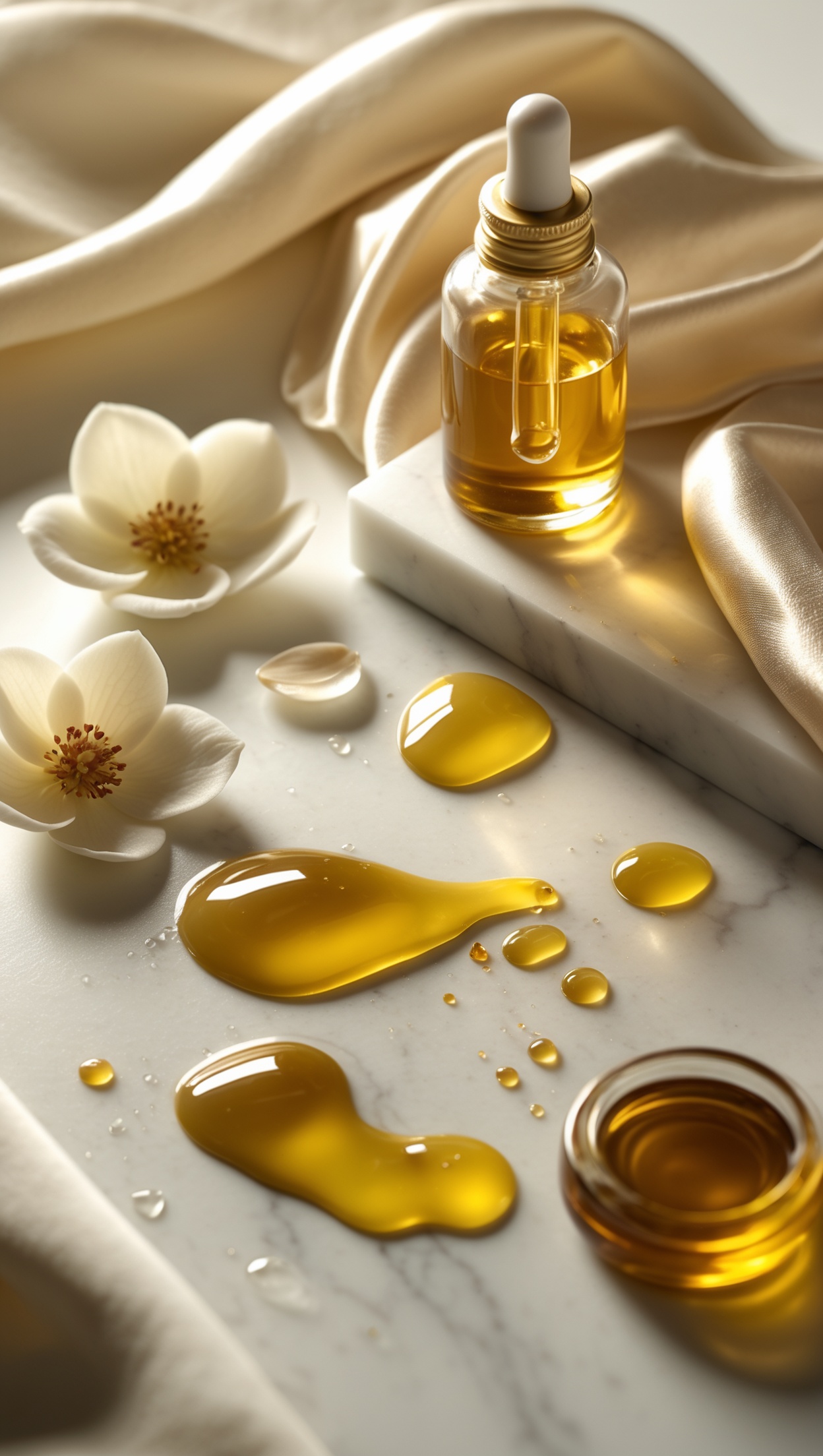
Scalp-Friendly Oils
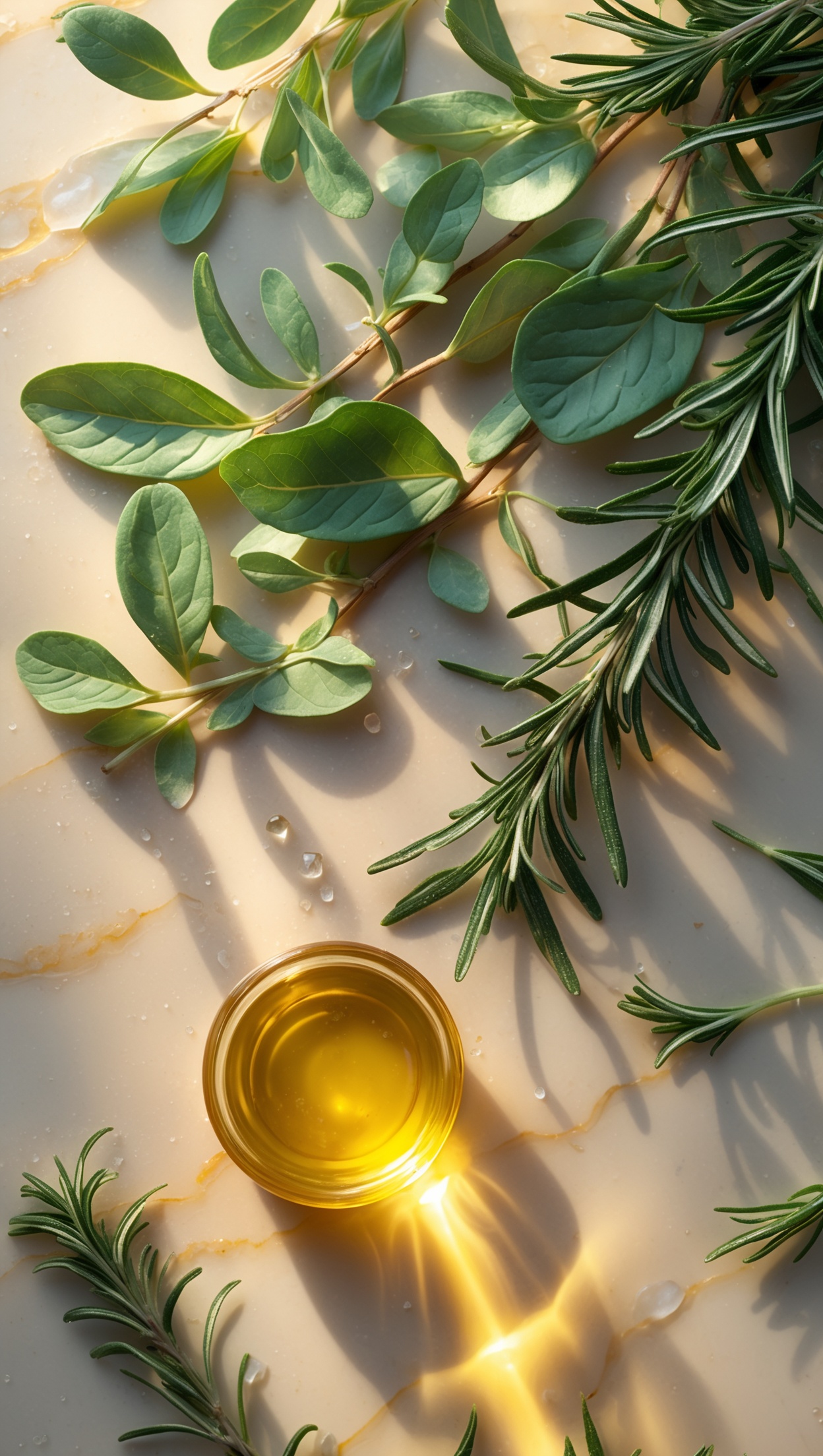
- Rosemary oil – one of the most evidence-backed natural options for promoting hair growth; mix a few drops into a carrier oil before applying to the scalp
- Castor oil – thick and rich in ricinoleic acid, which supports scalp circulation; best used once a week as a pre-wash treatment
- Peppermint oil – stimulating and cooling; dilute well before use as it is potent
- Argan oil – excellent for moisturising the scalp and reducing breakage along the length
Keep the Scalp Clean
Product build-up and excess sebum can block follicles and slow growth. Wash regularly enough to keep the scalp clear — the right frequency depends on your hair type, but do not skip washes in the name of "protecting" your hair if your scalp feels congested.
Nutrition for Faster Hair Growth
Hair is primarily made of keratin, a protein, which means your diet directly feeds your strands. Deficiencies in key nutrients are one of the most common — and most overlooked — causes of slow growth and shedding.
Key Nutrients to Prioritise
- Protein – eggs, legumes, lean meat and Greek yoghurt supply the amino acids your body uses to build keratin
- Iron – low iron is a leading cause of hair loss; spinach, lentils and red meat are strong sources
- Biotin (Vitamin B7) – found in eggs, nuts and sweet potato; supports the keratin structure of hair
- Vitamin D – linked to follicle cycling; many people are deficient, especially through winter months
- Omega-3 fatty acids – found in oily fish, walnuts and flaxseed; help keep the scalp moisturised and reduce inflammation
- Zinc – supports tissue repair around the follicle; found in pumpkin seeds, chickpeas and shellfish
Eating a varied, whole-food diet is the most sustainable approach. If you suspect a deficiency, a blood test with your doctor is a worthwhile step before reaching for supplements.
Protective Styling and Minimising Breakage
Length retention is just as important as growth speed. Hair can grow perfectly well at the root but break off at the ends before you ever see the gain in the mirror. Protecting your strands from mechanical and heat damage is essential.
Reduce Heat Styling
High heat weakens the protein bonds within the hair shaft. Air-dry when possible, and when you do use heat tools, always apply a heat protectant first and keep temperatures below 180°C (350°F).
Switch to a Silk or Satin Pillowcase
Cotton pillowcases create friction that leads to breakage overnight. A silk or satin surface allows hair to glide without snagging — a small change with a noticeable impact on split ends and frizz over time.
Protective Hairstyles
- Loose braids, buns and twists tuck ends away from daily wear and tear
- Avoid tight elastics — opt for spiral hair ties or scrunchies
- Detangle gently, always starting from the ends and working upward
Trimming: Does It Help Hair Grow Faster?
Trimming does not speed up growth at the root, but it does prevent split ends from travelling up the shaft and causing further breakage. A small trim every eight to twelve weeks keeps the ends healthy and means you retain more of the length you grow. Skipping trims entirely often results in hair that looks the same length for months — because what grows at the top breaks off at the bottom.
Cold Water Rinses and Final Touches
Finishing your wash with a cool water rinse helps close the hair cuticle, which reduces frizz, increases shine and makes the strand less prone to moisture loss and breakage. It takes seconds and genuinely makes a difference to texture over time.
Consistency is everything with natural hair growth. Most people see noticeable changes after eight to twelve weeks of sticking to a routine. Take monthly photos in the same lighting to track your progress — small gains are easy to miss day to day but add up significantly over a season.
If you want to build a complete hair-care toolkit without high street prices, you can find beauty tools and accessories via Voghion — including factory-direct prices and 30-day returns — to support your natural hair growth routine from day one.