This article contains affiliate links. If you buy through them, we may earn a commission at no extra cost to you.
Hair Care Routine for Damaged and Dry Hair – Step by Step
If your hair feels brittle, straw-like, or breaks at the slightest tension, you are not alone. Damaged and dry hair is one of the most common concerns, caused by heat styling, chemical treatments, sun exposure, and even everyday brushing. The good news is that a consistent, targeted routine can make a visible difference within weeks. And if you love changing your look without putting your real hair through more stress, you can explore gorgeous protective styles from Zlike Hair — including glueless wear-and-go and lace styles — to give your strands a complete break while still looking fabulous.
Step 1: Choose the Right Shampoo
The foundation of any hair care routine for damaged and dry hair starts in the shower. Choose a sulfate-free, moisturising shampoo that cleanses without stripping the hair's natural oils. Look for ingredients such as:
- Glycerin – draws moisture into the hair shaft
- Aloe vera – soothes the scalp and adds slip
- Hydrolysed keratin – temporarily fills gaps in damaged cuticles
Avoid clarifying shampoos more than once a month, as they can over-cleanse and worsen dryness. Wash your hair two to three times per week maximum to preserve natural sebum.
Step 2: Never Skip Conditioner
Conditioner is non-negotiable for dry, damaged hair. Apply it from mid-lengths to ends — never directly on the scalp — and leave it on for at least three minutes before rinsing. Look for conditioners containing shea butter, panthenol, or ceramides, all of which help seal the cuticle and lock in moisture.
Step 3: Use a Deep Conditioning Mask Weekly
A weekly deep conditioning treatment is the single most impactful step you can add to a hair care routine for dry hair. Apply a rich hair mask after shampooing, comb it through with a wide-tooth comb, and cover with a shower cap for 20 to 30 minutes. Heat from a warm towel or hair steamer helps the ingredients penetrate deeper into the cortex.
DIY mask option
Mix two tablespoons of coconut oil with one tablespoon of honey and a few drops of argan oil. This simple blend adds intense moisture and shine without any synthetic additives.
Step 4: Apply a Leave-In Treatment or Hair Oil
Once you step out of the shower, apply a leave-in conditioner or lightweight hair oil while hair is still damp. Argan oil, marula oil, and jojoba oil are excellent choices because they mimic the structure of natural sebum. They smooth the cuticle, reduce frizz, and add a healthy sheen without weighing fine hair down.
Focus on the ends, which are the oldest and most exposed part of the hair. Work upwards, but avoid the roots to prevent greasiness.
Step 5: Detangle Gently
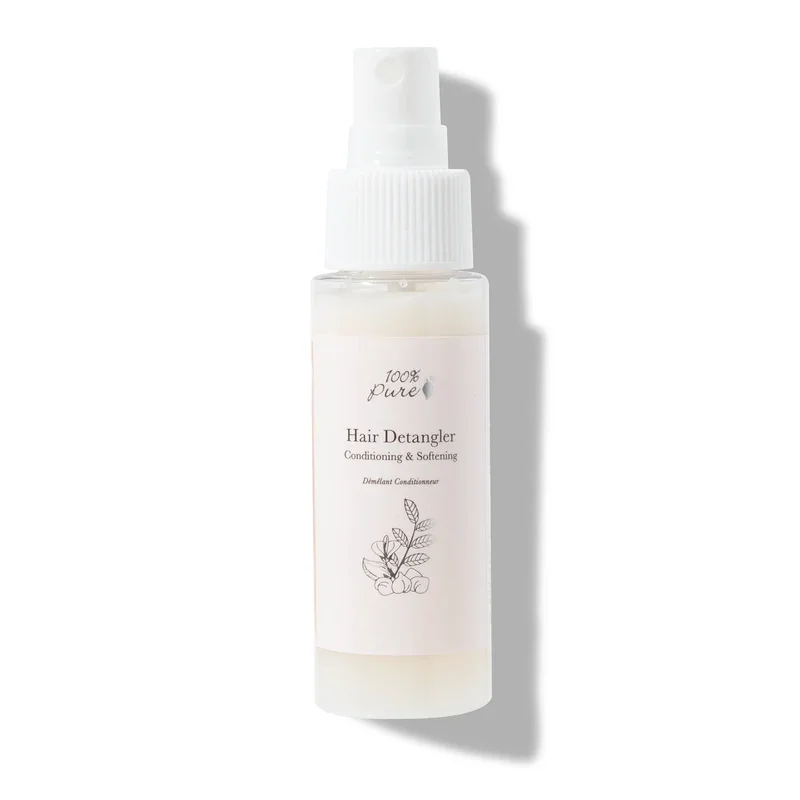
Always detangle damp hair using a wide-tooth comb or a detangling brush with flexible bristles. Start from the ends and work your way up to the roots in sections. Tugging through knots from root to tip is one of the most common causes of breakage and split ends. Never brush dry, tangled hair — always mist it lightly with a water and conditioner mix first.
Step 6: Reduce Heat and Protect When You Style
Heat is one of the primary culprits behind damaged hair. If you cannot avoid heat styling completely, always apply a heat protectant spray before using any tool. Keep temperatures below 180 °C (356 °F), and limit heat styling to two or three times per week.
Consider air-drying when possible. Twist your hair into sections with a microfibre towel rather than rubbing it vigorously, which roughens the cuticle and causes frizz.
Protective styling as a recovery strategy
One of the best ways to let damaged hair recover is to reduce daily manipulation entirely. Braids, buns, and twists keep the ends tucked away and minimise friction. If you want a completely different look without any heat or chemical stress, you can find stunning human hair styles — including glueless and lace options — at Zlike Hair, allowing your natural hair to rest and repair underneath.
Step 7: Nourish from the Inside Out
No topical product can fully compensate for poor nutrition. Hair is made of keratin protein, and it needs adequate building blocks to grow strong and resilient. Include these in your diet:
- Protein – eggs, lentils, Greek yoghurt, fish
- Biotin and B vitamins – whole grains, nuts, seeds
- Omega-3 fatty acids – salmon, flaxseed, walnuts
- Zinc and iron – leafy greens, red meat (in moderation), legumes
- Water – hydration starts from within; aim for at least 1.5 to 2 litres daily
Step 8: Protect Your Hair at Night
Cotton pillowcases absorb moisture from your hair and create friction that leads to breakage. Switch to a silk or satin pillowcase, or wrap your hair in a silk scarf before bed. This simple change can reduce overnight frizz and breakage dramatically, especially for already fragile hair.
Quick Reference: Your Weekly Routine at a Glance
- Daily: Silk pillowcase, gentle detangling, leave-in spray if needed
- 2–3×/week: Sulfate-free shampoo + conditioner, hair oil application
- 1×/week: Deep conditioning mask, scalp massage
- Monthly: Trim split ends, clarifying shampoo (once only)
Consistency is the Key
There is no overnight fix for damaged and dry hair, but a steady routine built on moisture, protein, and gentleness will deliver real results. Track your progress with monthly photos and adjust products as your hair's needs change. Most people see a noticeable improvement in texture and elasticity within four to six weeks of following a dedicated routine.
If you want to give your damaged hair a full recovery break while still rocking beautiful styles, you can explore the full collection via Zlike Hair — including glueless wear-and-go and lace styles — to protect your natural strands while they heal.