This article contains affiliate links. If you buy through them, we may earn a commission at no extra cost to you.
Why Vitamin C Is the Gold Standard for Dark Spots
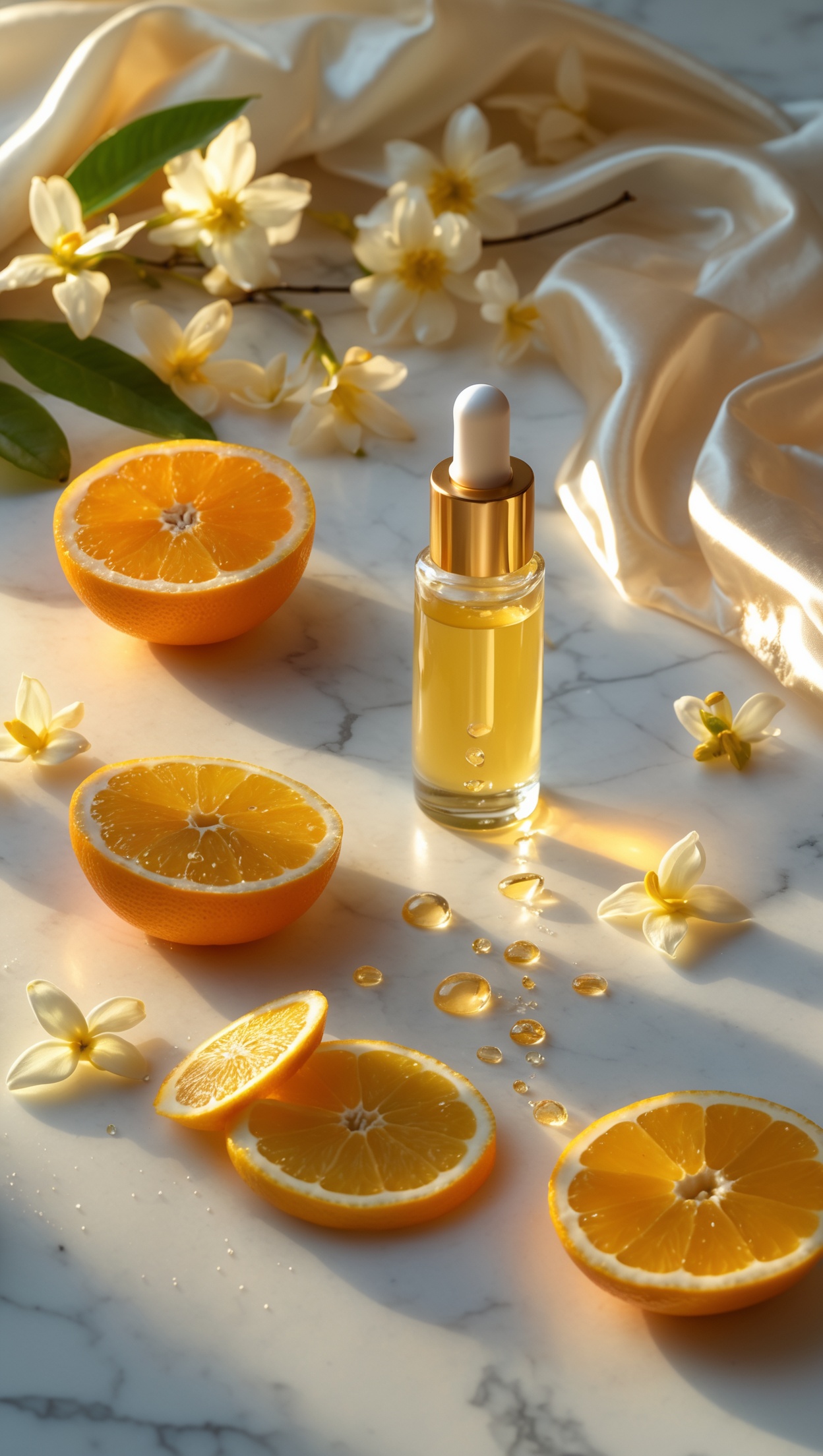
If you have ever looked in the mirror and felt frustrated by stubborn dark spots, post-acne marks, or a complexion that just refuses to look even, you are far from alone. Hyperpigmentation is one of the most common skin concerns worldwide — and Vitamin C serums have quietly become the most trusted weapon against it.
Vitamin C, also known as L-ascorbic acid, is a powerhouse antioxidant that works on multiple levels: it interrupts melanin production, neutralises free radicals, and encourages collagen synthesis. The result? Brighter, smoother, more even-looking skin over time.
In this guide, we break down everything you need to know — from how Vitamin C actually works on pigmentation to which formulas are worth your money.
How Vitamin C Fades Dark Spots
Dark spots, also called hyperpigmentation, form when the skin produces excess melanin in localised areas. This can be triggered by sun exposure, hormonal changes, acne inflammation, or simply ageing. Vitamin C tackles the problem at the source.
- Inhibits tyrosinase: This enzyme is responsible for converting tyrosine into melanin. Vitamin C blocks it, slowing down new pigment formation.
- Antioxidant protection: Free radicals from UV exposure trigger melanin production. Vitamin C neutralises them before they can cause damage.
- Brightening effect: Regular use gradually reduces the appearance of existing spots, revealing a more uniform tone.
- Collagen boost: By stimulating collagen, Vitamin C also improves overall skin texture, making marks less visible.
What to Look for in a Vitamin C Serum
Not all Vitamin C serums are created equal. The formulation matters enormously — and understanding the label will help you choose a product that actually delivers results.
Concentration
Effective serums typically contain between 10% and 20% L-ascorbic acid. Below 10%, the effects are minimal. Above 20%, irritation risk increases without a significant boost in efficacy. If you have sensitive skin, start at 10% and work your way up.
pH Level
L-ascorbic acid is most effective at a pH of 3.5 or below. Products that don't specify pH may simply not be potent enough. Check brand transparency when shopping — reputable companies publish their formulation details.
Stable Derivatives
Pure L-ascorbic acid is notoriously unstable. If you prefer a gentler or longer-lasting formula, look for stable derivatives such as ascorbyl glucoside, sodium ascorbyl phosphate, or tetrahexyldecyl ascorbate. These convert to active Vitamin C once absorbed by the skin.
Supporting Ingredients
The best serums don't work alone. Look for:
- Vitamin E (tocopherol): Pairs synergistically with Vitamin C to enhance antioxidant protection.
- Ferulic acid: Stabilises the formula and boosts efficacy significantly.
- Niacinamide: An excellent brightener on its own, it complements Vitamin C for faster results. (Note: use at separate times if your skin is reactive.)
- Hyaluronic acid: Adds hydration, making the serum suitable for all skin types.
A Brand Worth Knowing: 100% Pure
When it comes to clean, effective Vitamin C formulations, 100percentpure stands out for a very good reason. This brand 100percentpure is committed to using only naturally derived, non-toxic ingredients — and their Vitamin C formulas reflect exactly that philosophy.
The serums from 100percentpure are crafted without synthetic fragrances, parabens, or harsh chemicals. Instead, they harness the power of plant-based actives alongside potent Vitamin C to gently yet effectively brighten skin. If you value transparency in your skincare and want results without compromise, 100percentpure is a brilliant place to start.
How to Apply Your Vitamin C Serum for Best Results
Even the best formula will underperform if applied incorrectly. Follow these steps for maximum impact:
- Apply to clean skin: Use your Vitamin C serum after cleansing and toning, before heavier products like moisturiser.
- Morning is best: Vitamin C's antioxidant properties offer protection throughout the day. Apply in the AM for maximum benefit.
- Always follow with SPF: Vitamin C does not replace sunscreen. In fact, pairing them creates a powerful shield against UV-induced pigmentation.
- Use consistently: Results take time. Most users see noticeable improvement after 6–8 weeks of daily use.
- Store correctly: Keep your serum in a cool, dark place to prevent oxidation. If the liquid turns orange or brown, it's time for a new bottle.
Common Mistakes to Avoid
Getting the most from your serum also means avoiding pitfalls that many people fall into:
- Skipping SPF — sun exposure will undo brightening progress quickly.
- Applying too much product — a few drops are enough for the full face.
- Mixing with retinol at the same time — use retinol at night and Vitamin C in the morning.
- Expecting overnight results — patience and consistency are essential.
Who Benefits Most from Vitamin C Serums?
While nearly everyone can benefit from Vitamin C, it is particularly impactful for people dealing with:
- Post-acne marks and PIH (post-inflammatory hyperpigmentation)
- Sun spots and age spots
- Melasma (in combination with other treatments)
- Dull, lacklustre complexions
- Uneven skin tone due to environmental stress
Final Thoughts
Vitamin C serums are one of the most scientifically supported skincare ingredients available — and the results speak for themselves when the right formula is chosen and used correctly. Whether you opt for a classic L-ascorbic acid serum or a gentler derivative-based formula, consistency is your greatest ally.
For a clean, plant-powered option that delivers on its promises, explore what 100percentpure has to offer. With a commitment to quality ingredients and effective formulations, 100percentpure makes it easy to glow without compromise.
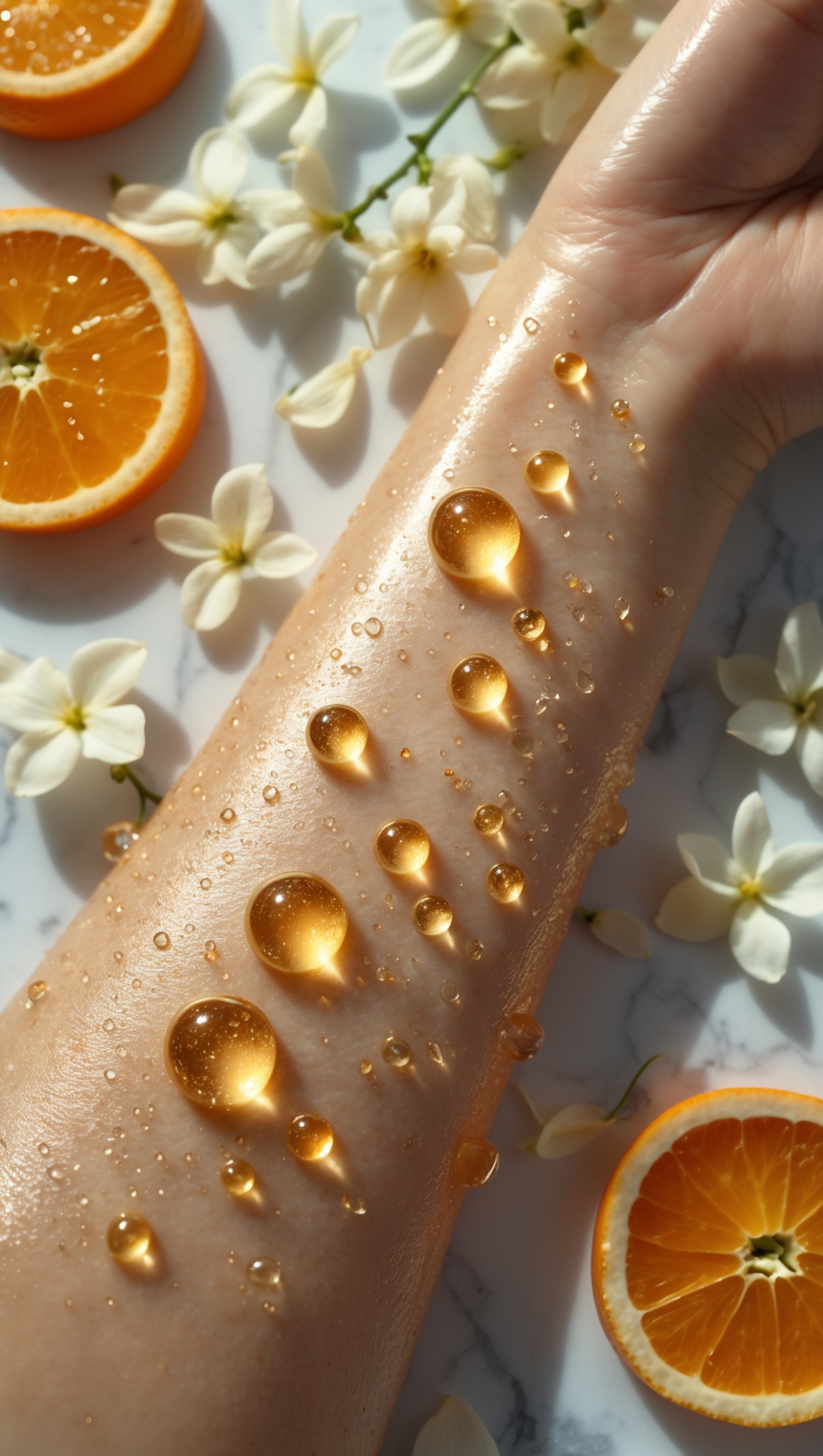
Give your skin the brightness it deserves — one drop at a time.
Discover the beauty brands we use and recommend: BINU Beauty for premium skincare, Voghion for fashion & beauty finds, and MINOX for luxury high fashion (Moncler, Burberry & more). Some links are affiliate links.