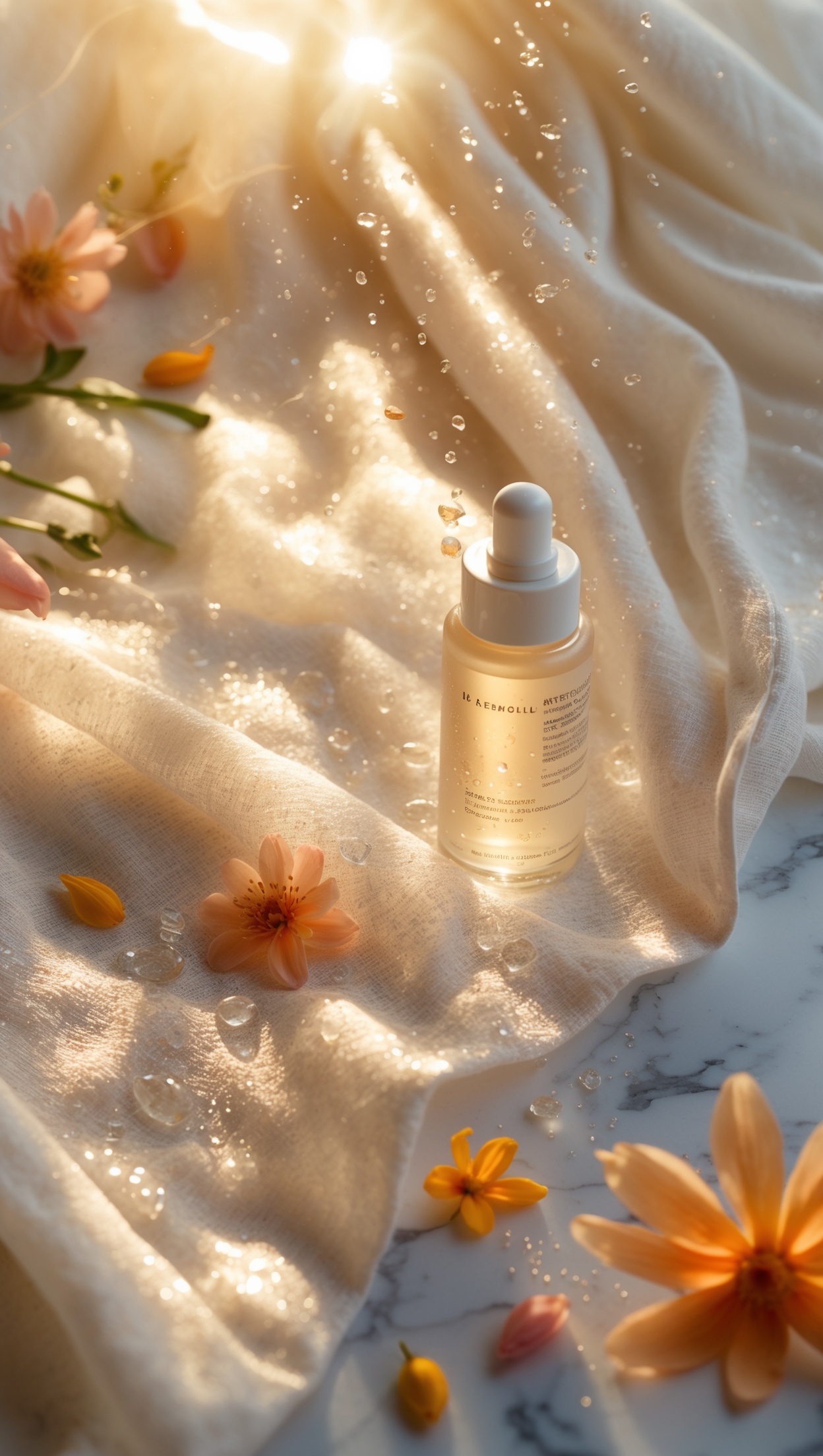
5-Step Vitamin C Routine for Glowing Skin

5-Schritte Vitamin C Routine für Glow

5-Step Vitamin C Routine for Glowing Skin

Image: AI-generated · Bild: KI-generiert

🇬🇧 English

This article contains affiliate links. If you buy through them, we may earn a commission at no extra cost to you.

Vitamin C Skincare Routine Step by Step: Your Guide to Radiant Skin

If there is one ingredient that dermatologists and beauty enthusiasts agree on, it is Vitamin C. This powerhouse antioxidant brightens dull skin, fades hyperpigmentation, boosts collagen production, and protects against environmental damage. But to truly see results, you need to apply it correctly and consistently. This guide walks you through a complete Vitamin C skincare routine step by step — from cleansing to SPF — so your skin can absorb every last drop of goodness.

Why Vitamin C Belongs in Your Morning Routine

Vitamin C is most effective when used in the morning. Why? Because it acts as a shield against free radicals from UV exposure and pollution throughout the day. Pairing it with SPF creates a powerful defence that no single product can deliver alone. While you can layer it at night too, the morning slot gives it the best opportunity to do its protective work.

Brands like 100% Pure 100percentpure have built their entire philosophy around potent, fruit-pigmented, clean formulas — and their Vitamin C range is no exception. Clean Vitamin C products from Quiet Dose also make incorporating this antioxidant into your daily routine feel effortless and gentle.

Step-by-Step Vitamin C Skincare Routine

Step 1: Gentle Cleanser

Begin with a gentle, pH-balanced cleanser to remove overnight oils, sweat, and residue. Avoid harsh foaming cleansers that strip your moisture barrier — these can make your skin reactive and reduce how well it absorbs your Vitamin C serum. Look for a cleanser with a pH between 4.5 and 6.

  • Use lukewarm water, never hot
  • Massage in gentle circular motions for 60 seconds
  • Pat dry with a clean, soft towel

Step 2: Toner (Optional but Recommended)

A hydrating toner preps the skin by restoring its pH balance and creating a moist base that helps the Vitamin C serum absorb more effectively. Choose alcohol-free formulas with ingredients like niacinamide, rose water, or hyaluronic acid. Apply with clean hands or a cotton pad and let it sink in for 30 seconds before moving to the next step.

Step 3: Vitamin C Serum — The Star of the Routine

This is the most important step. Apply your Vitamin C serum to clean, slightly damp skin for maximum absorption. Use 3–5 drops and press gently into the skin rather than rubbing — this prevents pilling and ensures even distribution.

What to look for in a Vitamin C serum:

  • L-Ascorbic Acid (LAA): The most researched and potent form, effective at 10–20% concentration
  • Ascorbyl Glucoside or Sodium Ascorbyl Phosphate: Gentler, more stable derivatives ideal for sensitive skin
  • Vitamin E and Ferulic Acid: Synergistic antioxidants that stabilise and amplify Vitamin C's effects

The 100% Pure 100percentpure Vitamin C Serum is crafted with superfoods and botanical actives, making it ideal for those who prefer a clean beauty approach. If your skin leans sensitive, the formulations from Quiet Dose offer a beautifully balanced, low-irritation option worth exploring.

Wait 60–90 seconds after applying before moving to the next step. This allows the serum to oxidise slightly and bond with your skin properly.

Step 4: Moisturiser

Seal everything in with a lightweight moisturiser. This step locks in hydration and creates a protective layer over your Vitamin C serum. For oily or combination skin, a gel-cream or water-based formula works best. For dry skin, opt for something richer with ceramides or squalane.

  • Apply while skin is still slightly tacky from the serum
  • Use upward strokes to encourage circulation
  • Don't forget the neck and décolleté

Step 5: SPF 30 or Higher — Non-Negotiable

If you skip SPF after using Vitamin C, you are working against yourself. Sun protection is the final and most critical step. UV exposure is the number one cause of hyperpigmentation and collagen degradation — exactly what Vitamin C is fighting to reverse. Apply a broad-spectrum SPF 30 or higher every single morning, rain or shine.

Mineral sunscreens with zinc oxide work well over Vitamin C. Chemical sunscreens can also be used, but apply them after your moisturiser and allow each layer to absorb fully before adding the next.

Common Vitamin C Routine Mistakes to Avoid

  • Mixing with AHAs/BHAs immediately: Using exfoliating acids directly after Vitamin C can destabilise the formula and irritate skin. Space them out or use acids in the evening.
  • Using an oxidised serum: If your Vitamin C serum has turned brown or orange, it has oxidised and lost its potency. Discard it and start fresh.
  • Applying on wet skin carelessly: Slightly damp is fine, but soaking wet skin dilutes the active concentration.
  • Skipping SPF: As mentioned, this completely undermines your brightening goals.
  • Expecting overnight results: Vitamin C typically takes 3–6 weeks of consistent daily use to show visible brightening and tone-evening results.

How to Store Your Vitamin C Products

Vitamin C is notoriously unstable when exposed to light, heat, and air. Store your serum in a cool, dark place — a bathroom cabinet away from the shower steam is ideal. Many serums come in opaque or amber glass bottles for this reason. Always close the cap tightly after use and aim to finish the product within 3 months of opening.

Who Should Use a Vitamin C Routine?

Almost everyone can benefit from Vitamin C in their skincare — but it is especially powerful for:

  • Those dealing with dark spots, sun damage, or post-acne marks
  • People looking to prevent premature ageing and boost collagen
  • Anyone with dull, tired, or uneven skin tone
  • Skin exposed regularly to pollution or UV radiation

If you have very sensitive or reactive skin, start with a lower concentration (around 5–10%) and introduce it slowly — three times a week before building up to daily use. Products from Quiet Dose are formulated with gentleness in mind, making them a great starting point. Similarly, the clean and fruit-based approach from 100% Pure 100percentpure can be a wonderful introduction to Vitamin C without harsh synthetic additives.

Final Thoughts

A consistent Vitamin C skincare routine step by step is one of the highest-return investments you can make for your skin. It protects, brightens, repairs, and prevents — all in one serum. With the right products, correct layering order, and daily SPF, you will start to see a noticeably more radiant and even complexion within weeks. Start simple, stay consistent, and let the antioxidants do the work.

Discover the beauty brands we use and recommend: BINU Beauty for premium skincare, Voghion for fashion & beauty finds, and MINOX for luxury high fashion (Moncler, Burberry & more). Some links are affiliate links.
🇩🇪 Deutsch

Dieser Artikel enthält Affiliate-Links (Werbung). Kaufst du darüber, erhalten wir ggf. eine Provision – für dich ohne Mehrkosten.

Vitamin C Hautpflegeroutine Schritt für Schritt: Dein Weg zu strahlender Haut

Wenn es einen Wirkstoff gibt, über den sich Dermatologen und Beauty-Enthusiasten einig sind, dann ist es Vitamin C. Dieses kraftvolle Antioxidans hellt die Haut auf, mildert Hyperpigmentierungen, regt die Kollagenproduktion an und schützt vor Umwelteinflüssen. Doch um wirklich Ergebnisse zu sehen, muss man es richtig und konsequent anwenden. Dieser Leitfaden führt dich durch eine vollständige Vitamin C Hautpflegeroutine Schritt für Schritt — von der Reinigung bis zum LSF — damit deine Haut jeden Tropfen optimal aufnehmen kann.

Warum Vitamin C in deine Morgenroutine gehört

Vitamin C wirkt am effektivsten, wenn es morgens angewendet wird. Es fungiert als Schutzschild gegen freie Radikale durch UV-Strahlung und Umweltverschmutzung im Laufe des Tages. In Kombination mit Sonnenschutz entsteht eine kraftvolle Abwehr, die kein einzelnes Produkt allein leisten kann.

Marken wie 100% Pure 100percentpure haben ihre gesamte Philosophie auf potente, saubere und fruchtbasierte Formeln aufgebaut — und ihre Vitamin-C-Linie macht da keine Ausnahme. Auch die Formulierungen von Quiet Dose machen es leicht, dieses Antioxidans sanft und effektiv in den Alltag zu integrieren.

Die Vitamin C Hautpflegeroutine Schritt für Schritt

Schritt 1: Sanfte Reinigung

Beginne mit einem sanften, pH-ausgeglichenen Reiniger, der Übernacht-Talg, Schweiß und Rückstände entfernt. Vermeide aggressive Schaumreiniger, die die Feuchtigkeitsbarriere zerstören können. Ein optimaler pH-Wert liegt zwischen 4,5 und 6.

  • Lauwarmes Wasser verwenden, niemals heißes
  • Sanft für 60 Sekunden in kreisenden Bewegungen einmassieren
  • Mit einem sauberen, weichen Tuch trocken tupfen

Schritt 2: Toner (Optional, aber empfohlen)

Ein feuchtigkeitsspendender Toner bereitet die Haut vor, stellt den pH-Wert wieder her und schafft eine feuchte Basis, die die Aufnahme des Vitamin-C-Serums verbessert. Wähle alkoholfreie Formeln mit Inhaltsstoffen wie Niacinamid, Rosenwasser oder Hyaluronsäure. Mit den Händen oder einem Wattepad auftragen und 30 Sekunden einziehen lassen.

Schritt 3: Vitamin C Serum — Der Star der Routine

Dies ist der wichtigste Schritt. Trage dein Vitamin C Serum auf saubere, leicht feuchte Haut auf. Verwende 3–5 Tropfen und drücke das Serum sanft in die Haut, anstatt es einzureiben — das verhindert Pilling und sorgt für eine gleichmäßige Verteilung.

Worauf du bei einem Vitamin C Serum achten solltest:

  • L-Ascorbinsäure (LAA): Die am besten erforschte und wirksamste Form, effektiv bei 10–20 % Konzentration
  • Ascorbylglucosid oder Natrium-Ascorbylphosphat: Sanftere, stabilere Derivate — ideal für empfindliche Haut
  • Vitamin E und Ferulasäure: Synergistische Antioxidantien, die Vitamin C stabilisieren und verstärken

Das 100% Pure 100percentpure Vitamin C Serum wird mit Superfoods und botanischen Wirkstoffen hergestellt — ideal für alle, die auf Clean Beauty setzen. Wer empfindliche Haut hat, findet bei Quiet Dose ausgewogene, reizarme Formulierungen, die einen sanften Einstieg ermöglichen.

Warte nach dem Auftragen 60–90 Sekunden, bevor du mit dem nächsten Schritt fortfährst. So kann das Serum richtig in die Haut einziehen und sich optimal verbinden.

Schritt 4: Feuchtigkeitscreme

Versiegle alles mit einer leichten Feuchtigkeitscreme. Dieser Schritt schließt die Feuchtigkeit ein und legt eine Schutzschicht über das Vitamin C Serum. Für fettige oder Mischhaut eignen sich Gel-Cremes oder wasserbasierte Formeln am besten. Bei trockener Haut sind reichhaltigere Varianten mit Ceramiden oder Squalan ideal.

  • Auftragen, solange die Haut noch leicht klebrig vom Serum ist
  • Mit aufwärts gerichteten Bewegungen einmassieren
  • Hals und Dekolleté nicht vergessen

Schritt 5: LSF 30 oder höher — Unverzichtbar

Wer nach der Vitamin C Anwendung keinen Sonnenschutz aufträgt, arbeitet gegen die eigenen Ziele. Sonnenschutz ist der letzte und wichtigste Schritt. UV-Strahlung ist die Hauptursache für Hyperpigmentierungen und den Abbau von Kollagen — genau das, was Vitamin C bekämpfen soll. Trage jeden Morgen einen Breitband-LSF 30 oder höher auf — bei jedem Wetter.

Mineralische Sonnenschutzmittel mit Zinkoxid funktionieren gut über Vitamin C. Chemische Filter können ebenfalls verwendet werden, aber nach der Feuchtigkeitscreme auftragen und jede Schicht vollständig einziehen lassen.

Häufige Fehler bei der Vitamin C Routine

  • Direkte Kombination mit AHA/BHA: Das Verwenden von Säuren direkt nach Vitamin C kann die Formel destabilisieren und Irritationen verursachen. Besser abends auf Säuren setzen.
  • Oxidiertes Serum verwenden: Wenn dein Serum braun oder orange geworden ist, hat es sich oxidiert und seine Wirkung verloren. Entsorgen und neu kaufen.
  • SPF weglassen: Wie bereits erwähnt — ohne Sonnenschutz werden alle Brightening-Bemühungen zunichtegemacht.
  • Sofortige Ergebnisse erwarten: Vitamin C braucht 3–6 Wochen konsequenter täglicher Anwendung, um sichtbare Aufhellungs- und Ausgleichseffekte zu zeigen.

Richtige Lagerung von Vitamin C Produkten

Vitamin C ist notorisch instabil gegenüber Licht, Wärme und Luft. Lagere dein Serum an einem kühlen, dunklen Ort — ein Badezimmerschrank weit entfernt vom Duschbereich ist ideal. Schließe den Deckel nach der Verwendung immer fest und versuche das Produkt innerhalb von 3 Monaten nach dem Öffnen aufzubrauchen.

Für wen ist eine Vitamin C Routine geeignet?

Fast jeder kann von Vitamin C in der Hautpflege profitieren — besonders wirksam ist es jedoch für:

  • Menschen mit dunklen Flecken, Sonnenschäden oder Post-Akne-Narben
  • Alle, die vorzeitige Hautalterung verhindern und die Kollagenproduktion ankurbeln möchten
  • Wer unter fahler, müder oder unebener Haut leidet
  • Haut, die regelmäßig Umweltverschmutzung oder UV-Strahlung ausgesetzt ist

Bei sehr empfindlicher Haut empfiehlt es sich, mit einer niedrigeren Konzentration (etwa 5–10 %) zu beginnen und das Serum zunächst dreimal pro Woche anzuwenden, bevor man es täglich nutzt. Quiet Dose bietet Formulierungen, die speziell auf Sanftheit ausgelegt sind und einen idealen Einstieg darstellen. Auch 100% Pure 100percentpure ist mit seinem fruchtbasierten, natürlichen Ansatz eine hervorragende Wahl für einen schonenden Start ohne aggressive Zusatzstoffe.

Fazit

Eine konsequente Vitamin C Hautpflegeroutine Schritt für Schritt ist eine der lohnendsten Investitionen, die du für deine Haut tätigen kannst. Sie schützt, hellt auf, regeneriert und beugt Schäden vor — alles in einem Serum. Mit den richtigen Produkten, der korrekten Reihenfolge beim Auftragen und täglichem LSF wirst du innerhalb weniger Wochen eine spürbar strahlendere und gleichmäßigere Haut sehen. Fang einfach an, bleib konsequent — und lass die Antioxidantien arbeiten.

Entdecke die Beauty-Brands, die wir selbst nutzen und empfehlen: BINU Beauty für Premium-Hautpflege, Voghion für Fashion & Beauty, und MINOX für Luxus-High-Fashion (Moncler, Burberry & mehr). Einige Links sind Affiliate-Links.