Not Dull Hair — A Thriving Scalp Routine

Kein dünnes Haar — nur gesunde Kopfhaut

Not Dull Hair — A Thriving Scalp Routine

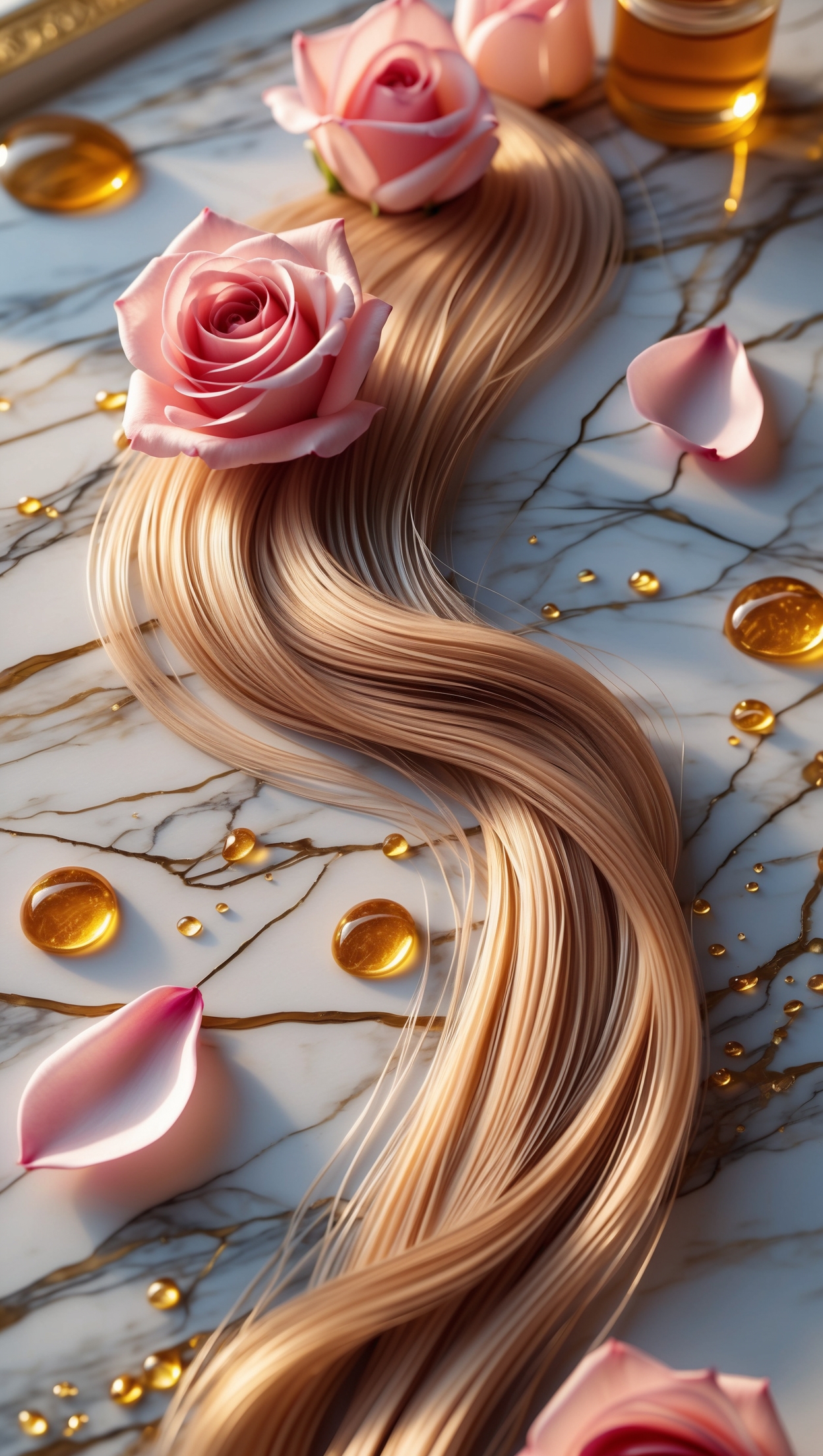
Image: AI-generated · Bild: KI-generiert

🇬🇧 English

This article contains affiliate links. If you buy through them, we may earn a commission at no extra cost to you.

Why Your Scalp Deserves as Much Attention as Your Face

Most of us spend considerable time and money on facial skincare, yet completely neglect the skin that sits right on top of our heads. Your scalp is, after all, just skin — and like any skin, it needs cleansing, nourishment, and consistent care. When your scalp is healthy, hair follicles are able to function at their best, producing stronger, shinier, and faster-growing strands. If you've been wondering why your hair feels limp, thin, or just refuses to grow, the answer might not be in your conditioner — it's likely at the root.

In this guide, we'll walk you through a complete scalp care routine designed to improve hair growth from the inside out — or rather, from the follicle up.

Step 1: Start with a Scalp Scrub (Exfoliation)

Just as you exfoliate your face to remove dead skin cells and unclog pores, your scalp benefits enormously from regular exfoliation. Product build-up, excess sebum, and flaky skin can clog hair follicles, slowing down growth and causing inflammation.

How to do it:

  • Use a scalp scrub or exfoliating brush once or twice a week.
  • Apply to a damp scalp before shampooing and massage gently in circular motions.
  • Focus on the hairline and areas prone to build-up near the crown.
  • Rinse thoroughly and follow with your regular shampoo.

Look for scrubs containing salicylic acid (ideal for oily scalps) or sugar and sea salt (gentler physical exfoliants). Avoid over-exfoliating — twice a week is more than enough for most hair types.

Step 2: Choose the Right Shampoo for Your Scalp Type

Not all shampoos are created equal, and the wrong formula can do more harm than good. Using a shampoo that strips too much moisture can trigger the scalp to overproduce oil, while overly moisturising shampoos can weigh fine hair down and contribute to build-up.

Match your shampoo to your scalp:

  • Oily scalp: Clarifying or balancing shampoos with zinc or tea tree oil.
  • Dry or sensitive scalp: Gentle, sulphate-free shampoos with aloe vera or oat extract.
  • Dandruff-prone scalp: Anti-fungal formulas containing ketoconazole or piroctone olamine.
  • Normal scalp: Lightweight, pH-balanced shampoos work perfectly.

Always focus your shampoo on the scalp, not the lengths — the lengths get cleansed as the product rinses through.

Step 3: Incorporate a Scalp Serum or Tonic

This is where real transformation happens. Scalp serums and tonics are leave-in treatments formulated to penetrate the scalp, stimulate circulation, and nourish hair follicles directly. This step is especially important if you're experiencing hair thinning or slower growth.

One of the most well-researched and widely recommended ingredients for hair growth is minoxidil. Topical minoxidil from minox has been clinically shown to extend the hair's growth phase and increase follicle size. Whether you're dealing with diffuse thinning or want to support your natural growth cycle, minox offers targeted scalp solutions that make a real, visible difference over time.

How to apply a scalp serum:

  • Part your hair into sections for easier access to the scalp.
  • Apply directly to the scalp using the dropper or applicator — avoid the hair lengths.
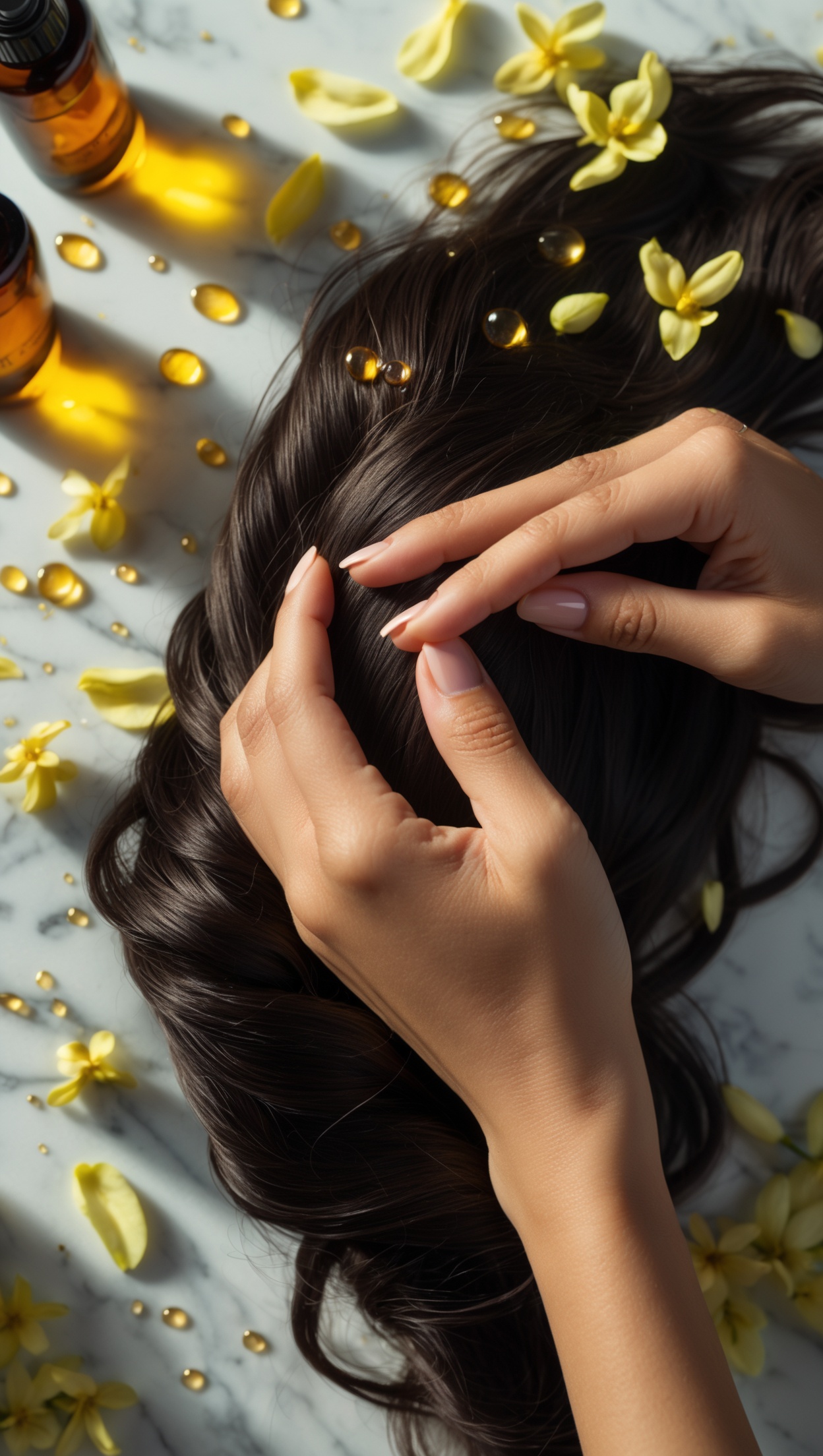
  • Massage in with your fingertips for 3–5 minutes to boost absorption and circulation.
  • Do not rinse — leave-in formulas work best when left to absorb fully.

Step 4: Scalp Massage — The Free Tool You're Not Using Enough

Scalp massage is one of the simplest, most accessible, and most effective steps you can add to your routine — and it costs nothing. Studies have shown that regular scalp massage can increase hair thickness by stretching cells in hair follicles, stimulating them to produce thicker strands.

Aim for 4–5 minutes daily, either with clean fingertips or a silicone scalp massager. You can do this during your shower, while applying your serum, or simply as a relaxing evening ritual. Consistency is key — results are typically visible after 3–4 months of regular practice.

Step 5: Nourish from Within — Diet & Hydration

No scalp routine is complete without addressing internal health. Hair is primarily made of keratin, a protein, and your body needs the right nutrients to produce it efficiently.

Key nutrients for hair and scalp health:

  • Biotin (Vitamin B7): Supports keratin production and follicle health.
  • Iron: Iron deficiency is one of the most common causes of hair loss in women.
  • Zinc: Essential for scalp oil regulation and tissue repair.
  • Omega-3 fatty acids: Found in oily fish, flaxseed, and walnuts — reduce scalp inflammation.
  • Vitamin D: Low levels are increasingly linked to hair thinning and shedding.

Drink plenty of water — dehydration affects scalp elasticity and can slow follicle activity. Aim for at least 1.5–2 litres per day.

Step 6: Protect Your Scalp from Damage

What you do between wash days matters just as much as your routine. Heat tools, tight hairstyles, and UV exposure can all compromise scalp health and weaken hair at the root.

  • Avoid pulling hair too tightly into ponytails or braids — this causes traction alopecia over time.
  • Apply a UV-protective hair mist before prolonged sun exposure.
  • Limit heat tool use and always apply a heat protectant when you do style.
  • Sleep on a silk or satin pillowcase to reduce friction and breakage.

Your Weekly Scalp Care Routine at a Glance

  • Daily: Scalp massage (4–5 mins) + scalp serum like minox
  • 2–3x per week: Gentle shampoo wash focused on scalp
  • 1–2x per week: Scalp exfoliation with a scrub or brush
  • Weekly: Deep conditioning treatment on the lengths and ends

Final Thoughts

Healthy hair growth begins at the foundation — the scalp. By treating your scalp with the same dedication you give your skincare routine, you'll begin to notice real improvements in hair density, shine, and growth rate within just a few months. The key is consistency over intensity. Build these steps into your existing routine gradually, track your progress, and give your follicles the environment they need to truly thrive.

And if hair thinning or slow growth is a genuine concern, don't overlook the power of clinically backed solutions. minox remains one of the most trusted names in scalp and hair growth treatment — a reliable addition to any serious scalp care routine.

Discover the beauty brands we use and recommend: BINU Beauty for premium skincare, Voghion for fashion & beauty finds, and MINOX for luxury high fashion (Moncler, Burberry & more). Some links are affiliate links.
🇩🇪 Deutsch

Dieser Artikel enthält Affiliate-Links (Werbung). Kaufst du darüber, erhalten wir ggf. eine Provision – für dich ohne Mehrkosten.

Warum deine Kopfhaut genauso viel Pflege verdient wie dein Gesicht

Viele von uns investieren viel Zeit und Geld in ihre Gesichtspflege — und vernachlässigen dabei komplett die Haut auf dem Kopf. Dabei ist die Kopfhaut schlicht und einfach Haut, und wie jede Haut braucht sie Reinigung, Nährstoffe und regelmäßige Pflege. Wenn deine Kopfhaut gesund ist, können die Haarfollikel optimal arbeiten und stärkere, glänzendere und schneller wachsende Haare produzieren. Falls dein Haar sich schlaff oder dünn anfühlt oder einfach nicht wachsen will, liegt die Lösung vielleicht nicht in deinem Conditioner — sondern direkt an der Wurzel.

In diesem Leitfaden führen wir dich durch eine vollständige Kopfhautpflege-Routine, die das Haarwachstum von Grund auf — sprich: vom Follikel aufwärts — verbessert.

Schritt 1: Kopfhaut-Peeling (Exfoliation)

Genau wie du dein Gesicht peelst, um abgestorbene Hautzellen zu entfernen und Poren zu reinigen, profitiert auch deine Kopfhaut enorm von regelmäßiger Exfoliation. Produktrückstände, überschüssiger Talg und Schuppen können Haarfollikel verstopfen, das Wachstum verlangsamen und Entzündungen fördern.

So wendest du es an:

  • Verwende ein Kopfhaut-Peeling oder eine Exfoliationsbürste ein- bis zweimal pro Woche.
  • Auftragen auf die feuchte Kopfhaut vor dem Shampoonieren und sanft in kreisenden Bewegungen einmassieren.
  • Besonders auf den Haaransatz und talgreichere Zonen am Scheitel achten.
  • Gründlich ausspülen und danach wie gewohnt shampoonieren.

Achte auf Peelings mit Salicylsäure (ideal für fettige Kopfhaut) oder Zucker und Meersalz (sanftere physikalische Exfolianten). Übertreibe es nicht — zweimal pro Woche ist für die meisten Haartypen ausreichend.

Schritt 2: Das richtige Shampoo für deinen Kopfhauttyp

Nicht alle Shampoos sind gleich, und die falsche Formel kann mehr schaden als nützen. Ein zu stark reinigendes Shampoo kann die Kopfhaut austrocknen und dazu veranlassen, übermäßig viel Talg zu produzieren — während zu feuchtigkeitsreiche Formeln feines Haar beschweren und Ablagerungen fördern können.

Das richtige Shampoo für deinen Kopfhauttyp:

  • Fettige Kopfhaut: Klärendes oder ausgleichendes Shampoo mit Zink oder Teebaumöl.
  • Trockene oder empfindliche Kopfhaut: Sanfte, sulfatfreie Formeln mit Aloe Vera oder Haferextrakt.
  • Schuppen-anfällige Kopfhaut: Antifungale Formeln mit Ketoconazol oder Piroctone Olamine.
  • Normale Kopfhaut: Leichte, pH-ausgeglichene Shampoos sind ideal.

Trage das Shampoo immer auf die Kopfhaut auf — nicht auf die Längen. Diese werden beim Ausspülen automatisch mitgepflegt.

Schritt 3: Kopfhautserum oder Tonikum einarbeiten

Hier beginnt die eigentliche Transformation. Kopfhautseren und Tonika sind Leave-in-Behandlungen, die tief in die Kopfhaut eindringen, die Durchblutung anregen und Haarfollikel direkt nähren. Dieser Schritt ist besonders wichtig, wenn du unter Haarausfall oder verlangsamtem Wachstum leidest.

Einer der am besten erforschten Wirkstoffe für das Haarwachstum ist Minoxidil. Topisches Minoxidil von minox wurde klinisch nachgewiesen, um die Wachstumsphase des Haares zu verlängern und die Follikelgröße zu erhöhen. Ob diffuses Ausdünnen oder einfach der Wunsch, den natürlichen Wachstumszyklus zu unterstützen — minox bietet gezielte Kopfhautlösungen, die mit der Zeit einen echten, sichtbaren Unterschied machen.

So trägst du ein Kopfhautserum auf:

  • Teile dein Haar in Strähnen auf, um leichteren Zugang zur Kopfhaut zu haben.
  • Trage das Serum direkt mit dem Tropfer oder Applikator auf die Kopfhaut auf — nicht auf die Längen.
  • Massiere 3–5 Minuten lang mit den Fingerspitzen ein, um Absorption und Durchblutung zu fördern.
  • Nicht ausspülen — Leave-in-Formeln wirken am besten, wenn sie vollständig einziehen können.

Schritt 4: Kopfhautmassage — das kostenlose Tool, das du zu selten nutzt

Die Kopfhautmassage ist eine der einfachsten, zugänglichsten und wirkungsvollsten Maßnahmen, die du in deine Routine einbauen kannst — und sie kostet nichts. Studien haben gezeigt, dass regelmäßige Kopfhautmassagen die Haardicke erhöhen können, indem sie die Zellen in den Haarfollikeln dehnen und so zur Produktion dickerer Strähnen anregen.

Strebe täglich 4–5 Minuten an — mit den Fingerspitzen oder einem Silikon-Massagegerät. Du kannst dies unter der Dusche, beim Auftragen deines Serums oder einfach als entspannendes Abendritual machen. Konsequenz ist entscheidend — erste Ergebnisse zeigen sich in der Regel nach 3–4 Monaten regelmäßiger Anwendung.

Schritt 5: Von innen nähren — Ernährung und Hydration

Keine Kopfhautroutine ist vollständig ohne eine Berücksichtigung der inneren Gesundheit. Haar besteht hauptsächlich aus Keratin, einem Protein — und dein Körper braucht die richtigen Nährstoffe, um es effizient zu produzieren.

Wichtige Nährstoffe für Kopfhaut und Haar:

  • Biotin (Vitamin B7): Unterstützt die Keratinproduktion und Follikelgesundheit.
  • Eisen: Eisenmangel ist eine der häufigsten Ursachen für Haarausfall bei Frauen.
  • Zink: Essenziell für die Talgregulation der Kopfhaut und Gewebereparatur.
  • Omega-3-Fettsäuren: Enthalten in fettem Fisch, Leinsamen und Walnüssen — reduzieren Entzündungen der Kopfhaut.
  • Vitamin D: Niedrige Spiegel werden zunehmend mit Haarverdünnung und -ausfall in Verbindung gebracht.

Trinke ausreichend Wasser — Dehydration beeinflusst die Elastizität der Kopfhaut und kann die Follikelaktivität verlangsamen. Mindestens 1,5–2 Liter täglich sind empfehlenswert.

Schritt 6: Kopfhaut vor Schäden schützen

Was du zwischen den Waschtagen tust, ist genauso wichtig wie deine Routine. Hitzestyling, enge Frisuren und UV-Strahlung können die Kopfhautgesundheit beeinträchtigen und das Haar an der Wurzel schwächen.

  • Vermeide es, das Haar zu fest in Pferdeschwänze oder Zöpfe zu binden — das führt langfristig zu Traktionsalopezie.
  • Trage bei längerer Sonneneinstrahlung einen UV-Schutzspray für das Haar auf.
  • Reduziere die Nutzung von Hitzetools und verwende immer einen Hitzeschutz, wenn du stylist.
  • Schlafe auf einem Seiden- oder Satinkissenbezug, um Reibung und Haarbruch zu minimieren.

Deine wöchentliche Kopfhautpflege-Routine im Überblick

  • Täglich: Kopfhautmassage (4–5 Min.) + Kopfhautserum wie minox
  • 2–3x pro Woche: Sanfte Haarwäsche mit Fokus auf die Kopfhaut
  • 1–2x pro Woche: Kopfhautpeeling mit Scrub oder Bürste
  • Wöchentlich: Tiefenpflegebehandlung für Längen und Spitzen

Fazit

Gesundes Haarwachstum beginnt an der Basis — der Kopfhaut. Wenn du deine Kopfhaut mit der gleichen Sorgfalt pflegst wie deine Gesichtshaut, wirst du innerhalb weniger Monate echte Verbesserungen in Dichte, Glanz und Wachstumsgeschwindigkeit bemerken. Der Schlüssel liegt in Kontinuität statt Intensität. Baue diese Schritte schrittweise in deine bestehende Routine ein, behalte deinen Fortschritt im Blick und gib deinen Follikeln das Umfeld, das sie zum Aufblühen brauchen.

Und wenn Haarausfall oder verlangsamtes Wachstum ein echtes Anliegen für dich ist, solltest du die Kraft klinisch bewährter Lösungen nicht unterschätzen. minox gehört zu den vertrauenswürdigsten Namen in der Kopfhaut- und Haarwachstumsbehandlung — eine zuverlässige Ergänzung für jede ernsthafte Kopfhautpflege-Routine.

Entdecke die Beauty-Brands, die wir selbst nutzen und empfehlen: BINU Beauty für Premium-Hautpflege, Voghion für Fashion & Beauty, und MINOX für Luxus-High-Fashion (Moncler, Burberry & mehr). Einige Links sind Affiliate-Links.