This article contains affiliate links. If you buy through them, we may earn a commission at no extra cost to you.
Natural Remedies for Hair Thinning: What Actually Works
Noticing more hair in your brush than usual? You are far from alone. Hair thinning affects millions of people of all ages and genders, and while it can feel alarming, the good news is that nature offers a surprisingly powerful toolkit. Before reaching for harsh chemical treatments, it is worth exploring gentle, evidence-supported remedies that nourish your scalp and encourage stronger, fuller growth.
Understanding Why Hair Thins
Hair thinning rarely has a single cause. Common contributors include:
- Hormonal shifts – pregnancy, menopause, or thyroid imbalances can all disrupt the hair growth cycle.
- Nutritional deficiencies – low iron, zinc, biotin, or vitamin D levels are closely linked to hair loss.
- Chronic stress – elevated cortisol pushes hair follicles into a resting phase, causing shedding weeks or months later.
- Scalp health – an inflamed or clogged scalp creates a poor environment for healthy follicle function.
- Over-styling – heat, tight hairstyles, and chemical treatments weaken the hair shaft over time.
Identifying your root cause makes it much easier to choose the right remedy. When in doubt, a quick visit to your doctor or dermatologist can rule out underlying conditions.
The Best Natural Remedies for Hair Thinning
1. Rosemary Oil – The Herbal Superstar
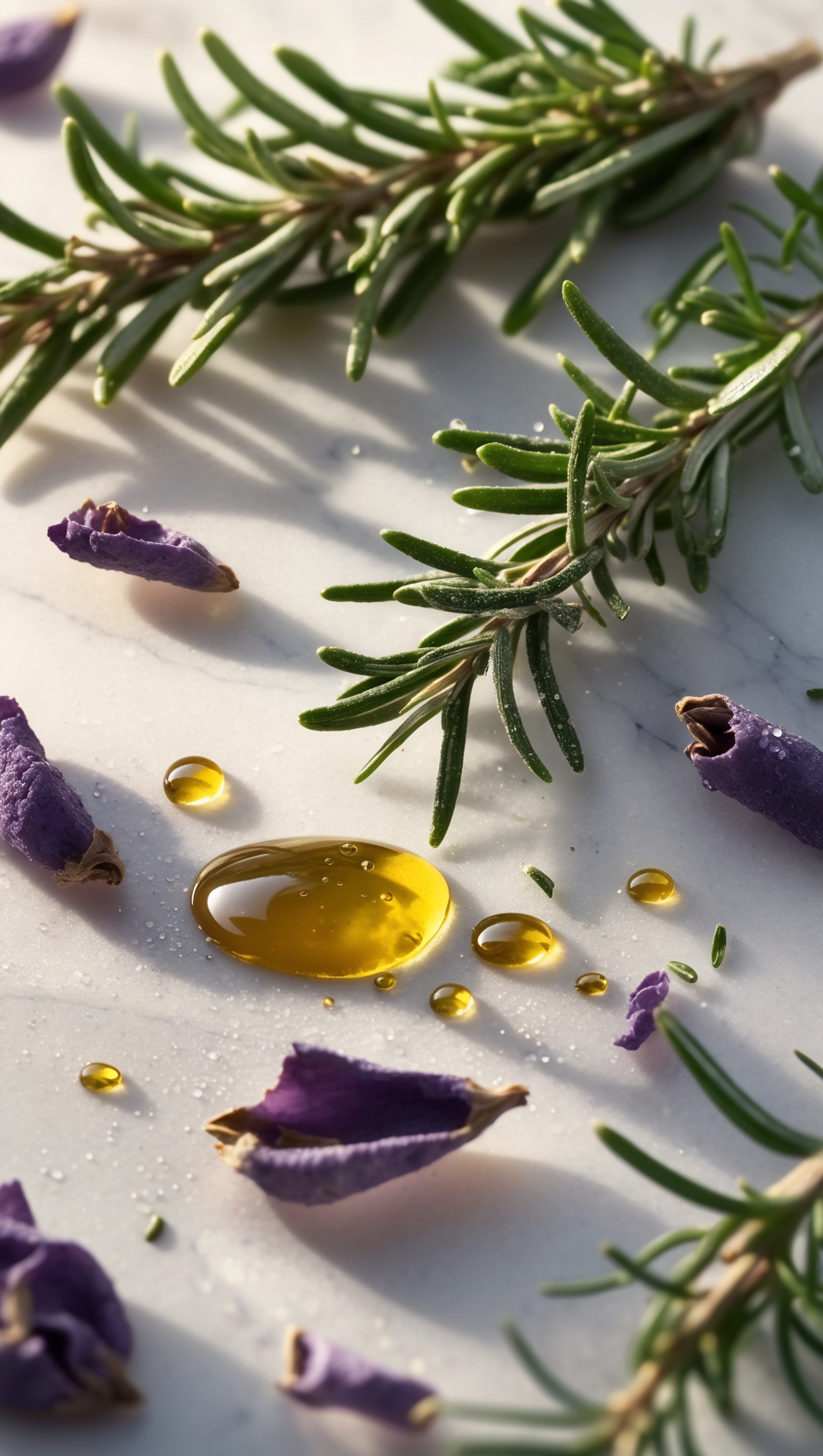
Rosemary oil has become one of the most talked-about natural solutions for hair thinning — and science is backing the hype. A study published in Skinmed Journal found that rosemary oil performed comparably to minox (minoxidil 2%) in improving hair count after six months, with less scalp itching reported by participants.
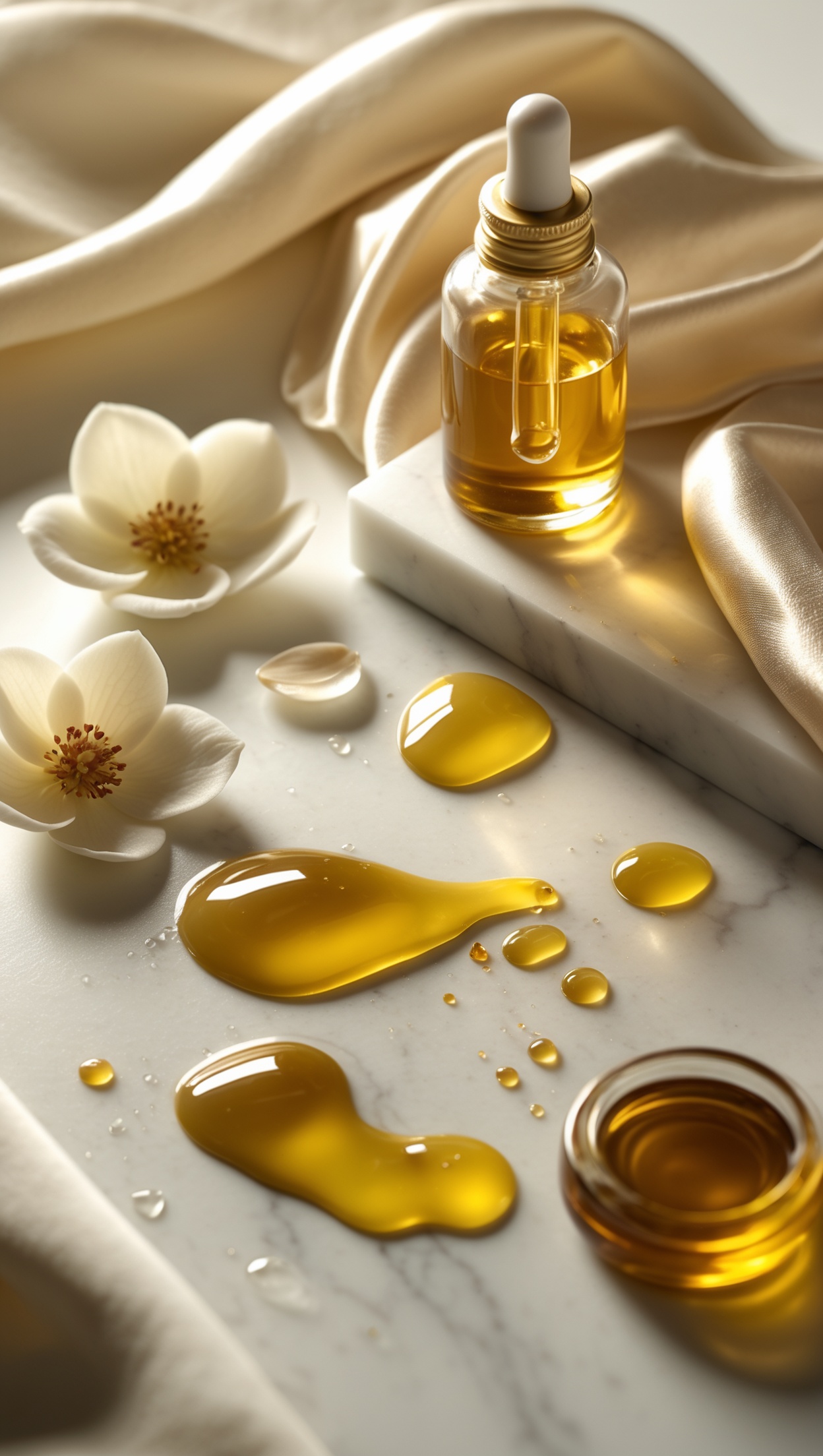
How to use it: Mix 3–5 drops of rosemary essential oil with a carrier oil such as jojoba or coconut oil, massage it into your scalp for five minutes, and leave it on for at least 30 minutes before washing. Consistency is key — aim for three to four times per week. Those looking for a clinically supported option might also consider combining this routine with minox for a complementary approach.
2. Scalp Massage
One of the simplest — and most underrated — tools in your hair care arsenal is a daily scalp massage. Research suggests that consistent scalp massage can stretch follicle cells, encouraging them to produce thicker hair strands. Use your fingertips or a silicone scalp massager in small circular motions for four to five minutes each day. Pair it with your chosen oil for double the benefit.
3. Castor Oil Treatments
Rich in ricinoleic acid, castor oil has long been a folk remedy for thinning hair. It is thought to boost circulation to the scalp and create an environment where follicles can thrive. Because castor oil is thick, blend it with a lighter oil such as argan or almond oil before applying. Leave it on overnight under a shower cap, then wash thoroughly in the morning.
4. Onion Juice
It might not sound glamorous, but onion juice has genuine research behind it. It is rich in sulphur, which supports keratin production and reduces scalp inflammation. Apply freshly squeezed onion juice to your scalp, leave it on for 15–30 minutes, and rinse well with a gentle shampoo. Start with twice a week to minimise any potential irritation.
5. Aloe Vera
Aloe vera soothes an irritated scalp, unclogs follicles, and delivers vitamins A, C, and E directly to the root zone. Use fresh aloe gel or a pure store-bought version. Apply it directly to the scalp, leave on for 45 minutes, and rinse. It works beautifully as a pre-wash treatment two to three times per week.
6. Nutrition as a Foundation
No topical remedy can compensate for a poor diet. For thicker hair, focus on including:
- Protein – eggs, lentils, Greek yoghurt, and lean poultry (hair is made of keratin, a protein).
- Iron-rich foods – spinach, red meat, and pumpkin seeds support the oxygen supply to follicles.
- Biotin sources – nuts, seeds, and sweet potatoes support healthy hair structure.
- Omega-3 fatty acids – found in oily fish, walnuts, and flaxseeds, these reduce scalp inflammation.
- Vitamin D – get some sunlight or consider a supplement if your levels are low.
7. Green Tea Rinse
Green tea is packed with antioxidants and contains EGCG (epigallocatechin gallate), which may stimulate hair follicles and slow hair loss. Brew two cups of strong green tea, allow it to cool, and pour it over your scalp after shampooing. Massage it in and leave for ten minutes before rinsing. Use it two to three times per week as a simple finishing step.
When to Consider Additional Support
Natural remedies work wonderfully for many people, but they require patience — expect to wait at least three to six months before judging results. If your hair thinning is more advanced or persistent, clinically tested products like minox can be incorporated alongside your natural routine. minox is one of the few topically applied treatments with strong clinical evidence behind it and is available without a prescription in many countries.
Always speak to a healthcare professional if you suspect an underlying medical cause for your hair loss before starting any new treatment plan.
Building Your Hair Thinning Routine
Consistency is everything. A simple weekly plan might look like this:
- Daily: Scalp massage (4–5 minutes), balanced diet, gentle detangling.
- Three times per week: Rosemary oil treatment or aloe vera pre-wash mask.
- Once per week: Deep castor oil overnight treatment.
- After every wash: Green tea rinse as a scalp tonic.
Final Thoughts
Hair thinning does not have to mean hair loss is permanent. With the right combination of natural remedies, a nourishing diet, and a gentle hair care routine, many people see meaningful improvement over time. Be patient with your scalp, stay consistent, and remember that healthy hair truly does start from the inside out.
Discover the beauty brands we use and recommend: BINU Beauty for premium skincare, Voghion for fashion & beauty finds, and MINOX for luxury high fashion (Moncler, Burberry & more). Some links are affiliate links.