This article contains affiliate links. If you buy through them, we may earn a commission at no extra cost to you.
Natural Ingredients That Fight Acne Fast
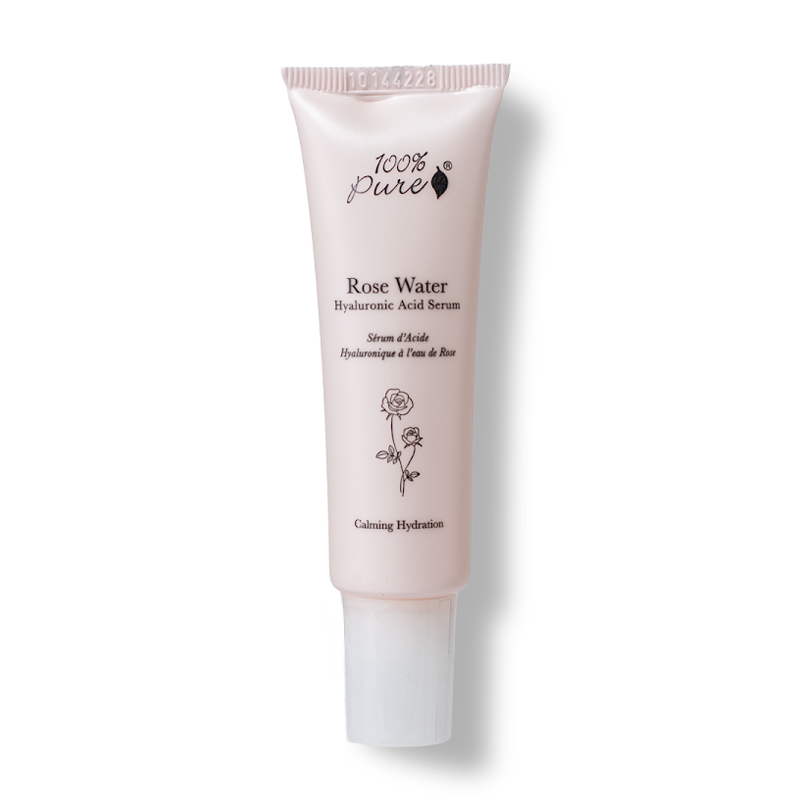
Breakouts can feel overwhelming, especially when heavy-duty prescriptions seem like the only option. The good news? Nature has provided a powerful toolkit of plant-derived actives that target the root causes of acne — excess oil, bacteria, inflammation and clogged pores — without stripping your skin barrier. If you're looking for clean, effective formulas made without synthetic preservatives or petrochemicals, you can get them from 100% Pure, where fruit and vegetable pigments replace harsh synthetics in every product.
Why Choose Natural Actives for Acne?
Conventional acne treatments such as benzoyl peroxide or harsh retinoids can cause redness, peeling and long-term sensitivity. Natural ingredients, when chosen carefully, can deliver comparable results with a gentler profile. Many also carry additional skin benefits — antioxidant protection, hydration or brightening — making them smart multi-taskers in any routine.
The Best Natural Ingredients That Fight Acne
1. Tea Tree Oil
Derived from the Australian Melaleuca alternifolia plant, tea tree oil is one of the most researched natural antibacterials for skin. Studies show it reduces Cutibacterium acnes (the bacteria linked to breakouts) comparably to 5% benzoyl peroxide, but with fewer side effects. Use it diluted in a carrier oil or look for it in targeted spot treatments and cleansers.
- Best for: Inflammatory papules and active breakouts
- How to use: 1–2% concentration in a serum or diluted with jojoba oil for direct application
2. Willow Bark Extract (Natural Salicylic Acid)
Willow bark contains salicin, which converts to salicylic acid on the skin. This beta-hydroxy acid (BHA) penetrates deep into pores, dissolving the mix of oil and dead skin cells that trigger blockages. Unlike synthetic salicylic acid, willow bark also brings anti-inflammatory compounds called polyphenols, making it a gentler yet effective exfoliant.
- Best for: Blackheads, whiteheads and congested pores
- How to use: Toners, serums or cleansers used 3–5 times per week
3. Niacinamide (Vitamin B3)
Niacinamide is technically a vitamin, but it behaves like a multi-action skincare ingredient. It regulates sebum production, reduces post-acne hyperpigmentation and reinforces the skin barrier — all critical steps when managing acne-prone skin. It is also exceptionally well-tolerated, even by sensitive skin types.
- Best for: Oily skin, enlarged pores, acne marks
- How to use: 5–10% concentration in a daily serum or moisturiser
4. Aloe Vera
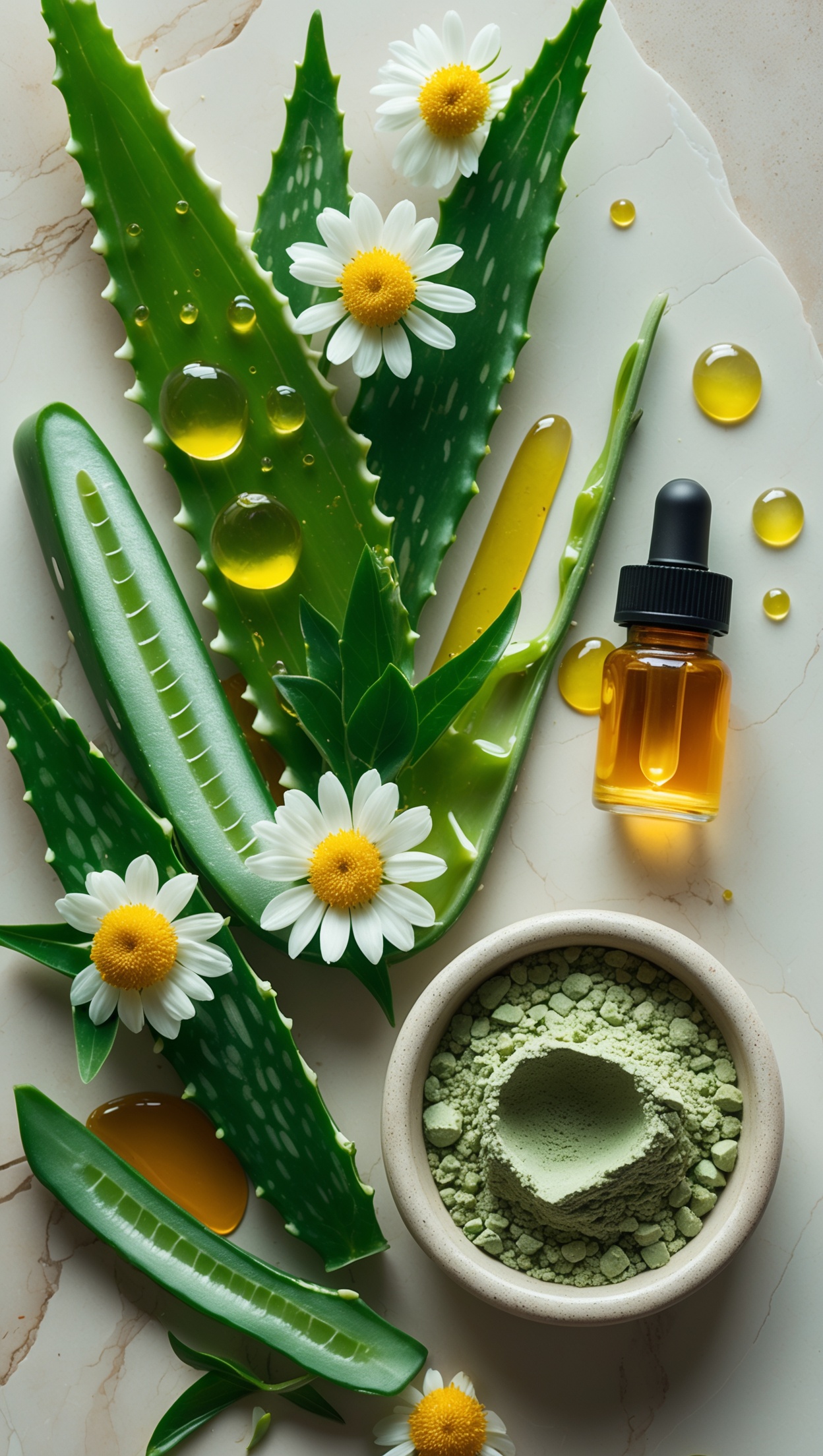
Aloe vera gel is packed with acemannan polysaccharides, enzymes and antioxidants that calm redness and speed up skin healing. It acts as a lightweight, non-comedogenic moisturiser — essential when treating acne, because dehydrated skin overproduces oil in compensation.
- Best for: Post-breakout redness, dry acne-prone skin
- How to use: Pure gel as a light moisturiser or mixed into a spot treatment base
5. Green Tea Extract
Rich in catechins — particularly EGCG (epigallocatechin gallate) — green tea extract reduces sebum production and fights the inflammation that makes pimples red and painful. Research published in the Journal of Investigative Dermatology confirms EGCG's ability to suppress sebaceous gland activity, making it highly relevant for oily and acne-prone skin.
- Best for: Oily T-zone, inflamed acne
- How to use: Facial mists, toners or serums with at least 3% green tea extract
6. Zinc (from Natural Sources)
Zinc, found naturally in minerals and increasingly in clean skincare, is a powerful sebum regulator and anti-inflammatory agent. Topical zinc helps reduce the severity of acne nearly as effectively as oral antibiotics in some studies, without antibiotic resistance concerns. Look for zinc PCA or zinc oxide in natural formulations.
- Best for: Hormonal acne, cystic spots
- How to use: Targeted serums or mattifying moisturisers used morning and night
7. Turmeric
Curcumin, the active compound in turmeric, is a potent antioxidant and anti-inflammatory. Topical turmeric has been shown to reduce acne lesions and post-inflammatory hyperpigmentation (PIH), the dark marks left behind after spots heal. Combined with honey or aloe, it makes an effective weekly mask.
- Best for: Acne scars, dark spots, inflamed skin
- How to use: Clay-based masks 1–2 times per week; rinse thoroughly
How to Build a Natural Acne-Fighting Routine
Layering actives strategically is key. Overloading skin with too many powerful ingredients at once can compromise the barrier and worsen breakouts. Here is a simple framework:
- Morning: Gentle cleanser → niacinamide serum → lightweight moisturiser with green tea or zinc → SPF
- Evening: Oil-cleanse (jojoba or hemp seed oil to dissolve sebum) → willow bark toner → targeted tea tree spot treatment → aloe vera gel to seal moisture
- Weekly: Turmeric or kaolin clay mask to deep-cleanse and brighten
What to Avoid When Going Natural for Acne
Not every "natural" ingredient is skin-safe. Essential oils like lavender, citrus and peppermint can trigger contact dermatitis and worsen acne for reactive skin types. Coconut oil, despite its popularity, is highly comedogenic and will clog pores for most acne-prone individuals. Always patch-test new ingredients on the inner arm for 24–48 hours before applying to the face.
Clean Beauty Brands Worth Knowing
Finding products that combine these actives in correct concentrations — without synthetic fragrances, petrochemicals or chemical preservatives — is easier than ever. 100% Pure formulates every product with real botanical ingredients and uses fruit and vegetable pigments in their tinted products, making it a reliable choice for acne-prone skin that also wants ethical, clean formulas.
Final Thoughts
Nature offers a surprisingly sophisticated arsenal against acne. Tea tree oil, willow bark, niacinamide, aloe vera, green tea, zinc and turmeric each target different stages of the breakout cycle — from bacterial growth to post-acne marks. The key is consistency, correct concentrations and a routine that supports rather than compromises your skin barrier. Give any new ingredient at least four to six weeks before evaluating results, and always prioritise hydration alongside treatment.
If you want to treat acne with clean, plant-based formulas free from synthetic preservatives, you can explore the full range via 100% Pure — including natural cosmetics made with fruit and vegetable pigments — to build a routine your skin will genuinely love.