This article contains affiliate links. If you buy through them, we may earn a commission at no extra cost to you.
How to Treat Female Hair Loss Naturally
Noticing more strands in your hairbrush or on your shower floor? You are not alone. Female hair loss affects millions of women worldwide, yet it remains one of the least talked-about topics in women's health and beauty. The good news is that nature has a lot to offer — and with the right routine, you can slow down shedding, nourish your scalp, and encourage stronger, thicker regrowth.
Understanding Why Women Lose Hair
Before jumping into solutions, it helps to understand what might be triggering your hair loss in the first place. Female hair thinning can be caused by a variety of factors, including:
- Hormonal changes: Pregnancy, postpartum recovery, perimenopause, and thyroid imbalances are all common culprits.
- Nutritional deficiencies: Low iron, zinc, biotin, and vitamin D levels can significantly impact hair growth cycles.
- Chronic stress: Elevated cortisol levels push hair follicles into a resting phase, causing increased shedding weeks or months later.
- Scalp health: Product buildup, dryness, or inflammation can suffocate follicles and slow growth.
- Over-styling: Heat, tight hairstyles, and chemical treatments weaken the hair shaft over time.
Identifying your root cause — ideally with a healthcare provider or trichologist — is the smartest first step before starting any treatment plan.
Natural Remedies That Actually Work
1. Scalp Massage with Nourishing Oils
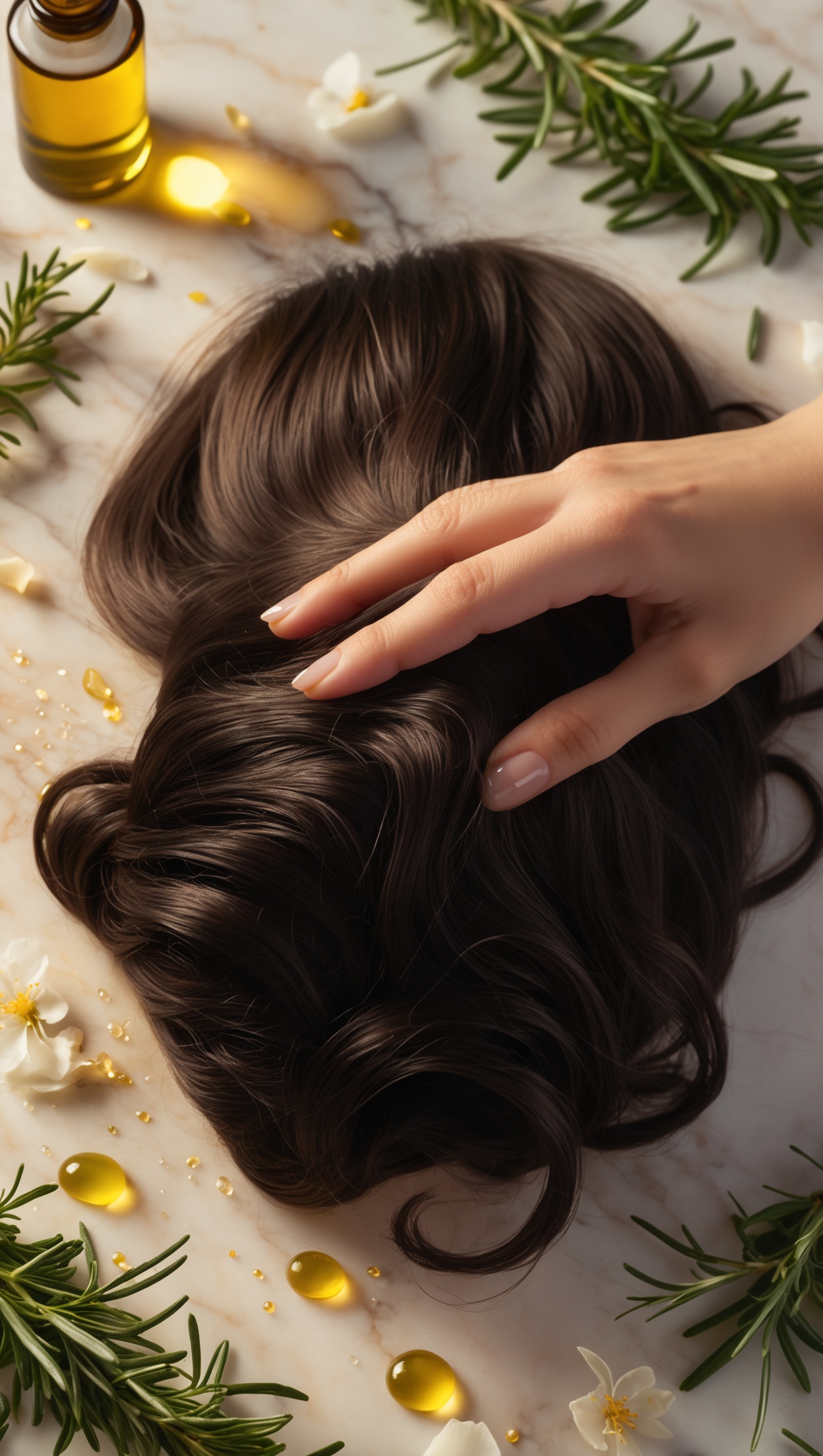
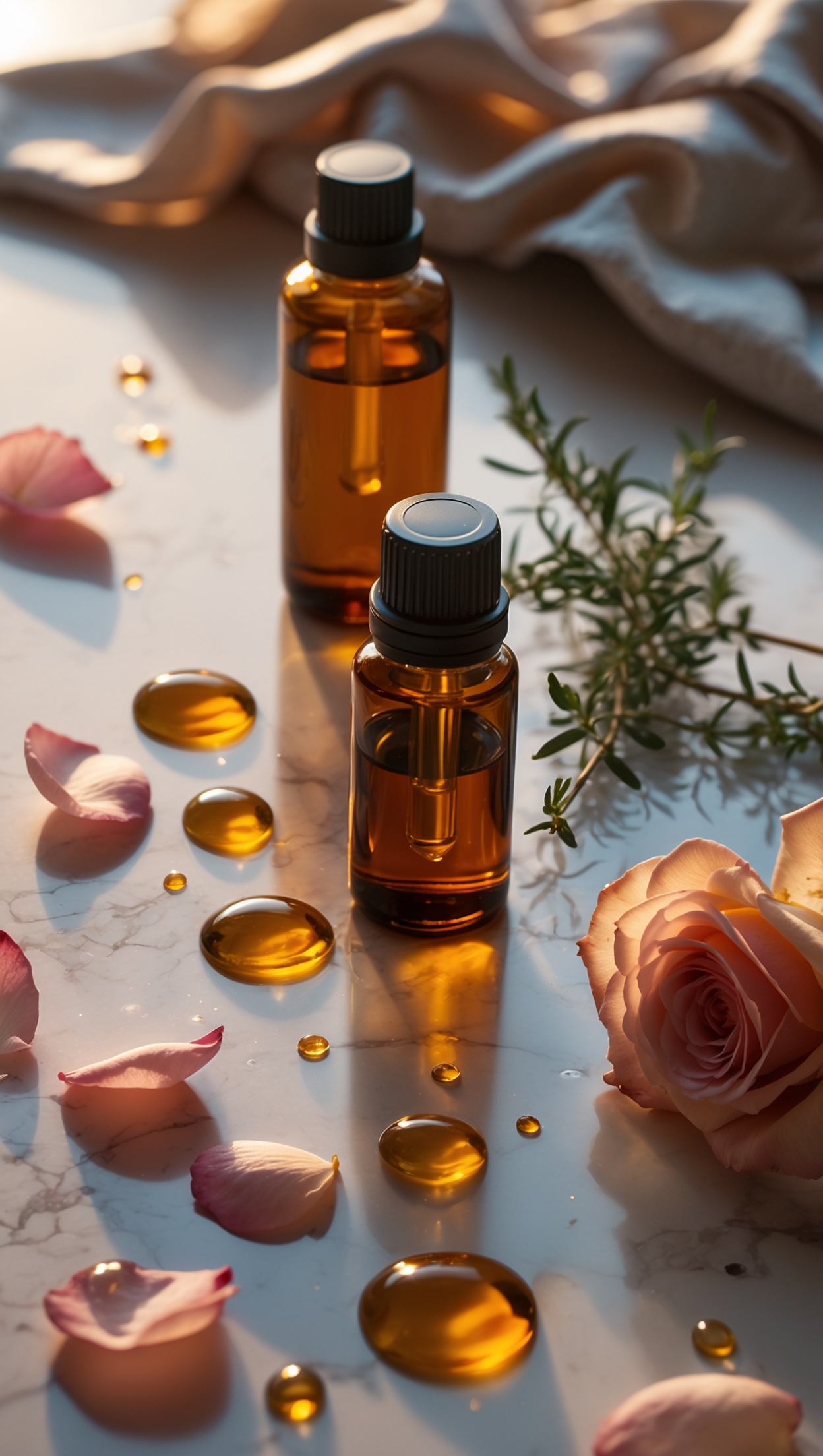
One of the most underrated natural treatments for hair loss is regular scalp massage. Studies have shown that even just four minutes of daily massage can improve hair thickness over time by stimulating blood circulation to the follicles. Pair this with nourishing carrier oils for even better results:
- Rosemary oil: Clinically shown to be as effective as some topical treatments for promoting hair growth.
- Castor oil: Rich in ricinoleic acid, which supports scalp circulation and has mild anti-inflammatory properties.
- Pumpkin seed oil: Contains phytosterols that may help block DHT, a hormone linked to hair thinning.
- Argan oil: Deeply conditions the scalp and prevents breakage along the hair shaft.
Warm your chosen oil slightly, apply it to the scalp in sections, and massage with your fingertips in circular motions for five to ten minutes. Leave it on for at least 30 minutes before shampooing.
2. Minoxidil — The Clinically Backed Option
While many natural approaches support hair health, one ingredient bridges the gap between natural treatment and clinical efficacy: minoxidil. Originally developed as a blood pressure medication, topical minox was found to significantly stimulate hair follicle activity and extend the growth phase of the hair cycle. Today, minox is one of the few treatments clinically proven for female pattern hair loss.
It works by widening blood vessels around the follicle, improving oxygen and nutrient delivery. Many women see noticeable results within 3 to 6 months of consistent use. minox is available in foam and liquid forms, typically applied once or twice daily directly to the scalp — not the hair itself.
Always consult your doctor before starting minox, especially if you are pregnant, breastfeeding, or managing any cardiovascular conditions.
3. Nutrition as Your Foundation
What you eat feeds your follicles — and a diet lacking in key nutrients will always show up in your hair first. Focus on including these hair-supportive nutrients daily:
- Iron and ferritin: Found in lentils, spinach, lean red meat, and fortified cereals. Low ferritin is one of the most common drivers of female hair loss.
- Biotin (Vitamin B7): Present in eggs, almonds, and sweet potatoes. Supports keratin production.
- Zinc: Found in pumpkin seeds, chickpeas, and shellfish. Essential for tissue repair and follicle function.
- Omega-3 fatty acids: From fatty fish, flaxseeds, and walnuts. Reduce scalp inflammation and improve follicle health.
- Vitamin D: Low levels are consistently linked to hair loss. Consider a supplement if you live in low-sunlight regions.
4. Stress Management for Healthier Hair
Telogen effluvium — stress-related hair shedding — is incredibly common in women, particularly after periods of intense emotional or physical stress. The hair follicles essentially go on pause. Practices that can help regulate your nervous system and reduce cortisol include:
- Daily mindfulness or meditation (even 10 minutes helps)
- Regular moderate-intensity exercise like walking or yoga
- Prioritising 7–9 hours of quality sleep each night
- Adaptogenic herbs such as ashwagandha or rhodiola (consult a professional before use)
5. Gentle Hair Care Habits
Sometimes the cause of hair loss is mechanical — the way you treat your hair day to day. Protect your strands by adopting these habits:
- Switch to a wide-tooth comb or detangling brush, especially on wet hair.
- Avoid tight ponytails, buns, or braids that pull on the hairline (traction alopecia is a real concern).
- Use a silk or satin pillowcase to reduce nighttime friction.
- Limit heat styling to a maximum of 2–3 times per week and always use a heat protectant.
- Choose sulphate-free, gentle shampoos that cleanse without stripping the scalp of its natural oils.
What to Expect on Your Hair Recovery Journey
Patience is essential. Hair grows approximately 1 to 1.5 cm per month, and hair cycles typically run over 3 to 6 months. This means any intervention — whether it's a new diet, scalp oil routine, or starting minox — will take time to show visible results. Track your progress with monthly photos taken in the same lighting, and try not to judge results week by week.
Remember: hair loss in women is rarely about one single cause. The most effective approach is a holistic one — addressing nutrition, stress, scalp health, and, where appropriate, clinically supported treatments like minox together.
Final Thoughts
Female hair loss can feel deeply personal and even distressing — but it is treatable. Nature provides powerful tools from rosemary oil to nutrient-dense food, and when paired with evidence-backed options, you give your hair the best possible environment to grow back stronger. Start with one or two changes this week and build from there. Your future self — and your hair — will thank you.
Discover the beauty brands we use and recommend: BINU Beauty for premium skincare, Voghion for fashion & beauty finds, and MINOX for luxury high fashion (Moncler, Burberry & more). Some links are affiliate links.