This article contains affiliate links. If you buy through them, we may earn a commission at no extra cost to you.
Hair Thinning Solutions for Women Over 30: Your Complete Guide
Noticing more hair in your brush than usual? You are absolutely not alone. Hair thinning is one of the most common concerns among women once they hit their thirties — and it can feel both frustrating and confusing. The good news is that understanding why it happens is the first step toward doing something meaningful about it.
Why Does Hair Thin After 30?
Hair thinning in women over 30 is rarely caused by just one factor. More often, it is a perfect storm of hormonal shifts, lifestyle habits, nutritional gaps and environmental stress. Here are the most common culprits:
- Hormonal fluctuations: Oestrogen and progesterone levels begin to gradually decline in your thirties, affecting the hair growth cycle and reducing follicle activity.
- Nutritional deficiencies: Low levels of iron, zinc, biotin, vitamin D and protein are strongly linked to increased hair shedding.
- Chronic stress: Elevated cortisol levels push hair follicles into a resting phase prematurely — a condition known as telogen effluvium.
- Postpartum changes: Many women experience significant hair loss after pregnancy due to sudden hormonal drops.
- Over-styling and heat damage: Years of blow-drying, straightening and chemical treatments weaken the hair shaft significantly.
- Scalp health neglect: A congested or inflamed scalp inhibits healthy hair growth at the root level.
Scalp Care: The Foundation of Healthy Hair
Think of your scalp as the soil in which your hair grows. If the soil is unhealthy, even the strongest seeds will struggle. Prioritising scalp care is one of the most impactful changes you can make.
Scalp Massage
A daily 5-minute scalp massage — using your fingertips or a silicone scalp brush — increases blood circulation to the follicles, which encourages growth and reduces miniaturisation of the hair strand. Do this before shampooing or while applying a treatment oil for best results.
Choose the Right Shampoo
Avoid sulphate-heavy formulas that strip the scalp of its natural oils. Look for shampoos containing ingredients like caffeine, niacinamide, salicylic acid or ketoconazole — all of which have been shown to support scalp health and reduce hair loss triggers.
Hair-Boosting Ingredients to Look For
Whether you are shopping for a serum, mask or leave-in treatment, keep an eye out for these powerhouse ingredients:
- Minoxidil (topical): The most clinically proven ingredient for female pattern hair loss — available over the counter in 2% or 5% formulas.
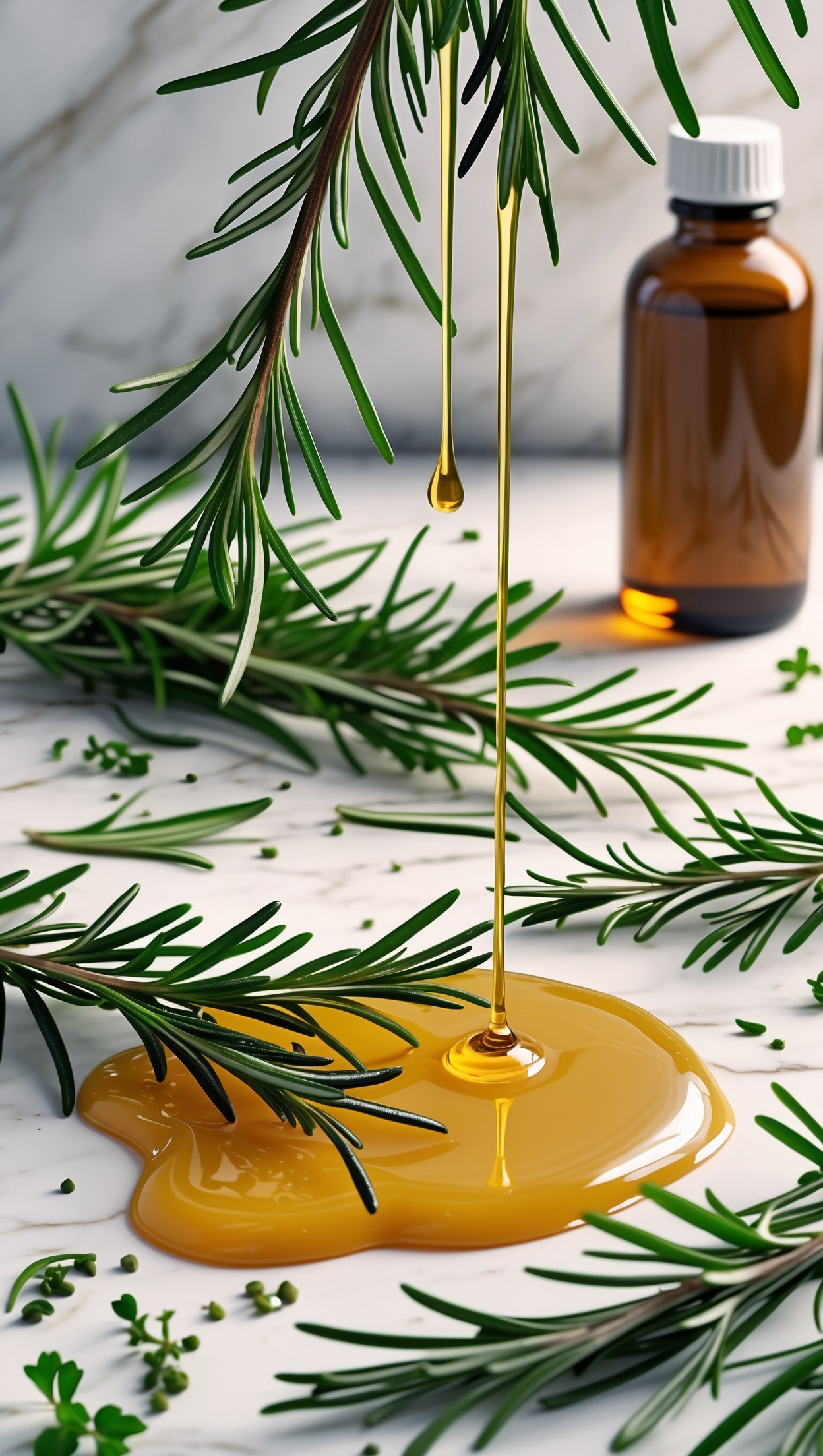
- Rosemary oil: A natural DHT blocker with studies showing comparable results to minoxidil for some women. Excellent for daily scalp application.
- Peptides (Capixyl, Redensyl): These targeted molecules stimulate dormant follicles and anchor existing hair more firmly.
- Hyaluronic acid: Hydrates the scalp and hair shaft, reducing breakage caused by dryness.
- Biotin and keratin: Strengthen the hair structure from the inside out, whether applied topically or taken as a supplement.
- Castor oil: Rich in ricinoleic acid, which promotes circulation and coats the shaft to reduce breakage.
Nutritional Support from Within
No topical product can fully compensate for internal deficiencies. Your hair is a direct reflection of your internal health. Consider getting a blood panel done to check your levels of:
- Ferritin (iron storage)
- Vitamin D
- Thyroid hormones (TSH, T3, T4)
- Zinc
- B12 and folate
Once you know your numbers, you can supplement strategically. A high-quality hair supplement containing biotin, marine collagen, silica and adaptogenic herbs like ashwagandha can make a noticeable difference within 3 to 6 months of consistent use.
Lifestyle Changes That Actually Move the Needle
The unsexy truth about hair health is that lifestyle matters enormously. Here is what to focus on:
Reduce Heat Styling
Allow your hair to air-dry at least 3 to 4 days per week. When you do use heat, always apply a quality heat protectant and keep temperatures below 180°C to minimise structural damage.
Manage Stress Actively
Chronic stress is one of the most underestimated causes of hair thinning. Incorporate daily practices such as yoga, breathwork, journalling or even a simple 20-minute walk to lower cortisol levels consistently.
Sleep and Hair Recovery
Your body does its most intensive repair work during deep sleep. Aim for 7 to 9 hours per night. Sleeping on a silk or satin pillowcase also reduces friction-related breakage significantly.
Eat a Hair-Friendly Diet
Prioritise protein at every meal — your hair is made of keratin, which is a protein. Include foods rich in omega-3 fatty acids (salmon, walnuts, flaxseed), iron (leafy greens, lentils, red meat in moderation) and antioxidants (berries, sweet potato, avocado).
When to See a Specialist
If you have been consistently caring for your scalp and nutrition for more than 3 months without any improvement — or if you are noticing sudden, rapid shedding — it is worth consulting a trichologist or dermatologist. Conditions such as alopecia areata, androgenetic alopecia or autoimmune disorders require professional diagnosis and treatment.
Final Thoughts
Hair thinning after 30 is incredibly common, but it is not something you simply have to accept. With the right combination of scalp care, targeted ingredients, nutritional support and lifestyle adjustments, most women see meaningful improvement within a few months. Be patient, be consistent — and remember that your hair's best days may very well still be ahead of you.
Discover the beauty brands we use and recommend: BINU Beauty for premium skincare, Voghion for fashion & beauty finds, and MINOX for luxury high fashion (Moncler, Burberry & more). Some links are affiliate links.