This article contains affiliate links. If you buy through them, we may earn a commission at no extra cost to you.
Essential Oils for Hair Growth: Nature's Secret to Thicker, Longer Hair
If you've been dreaming of longer, fuller, healthier hair, you might be surprised to learn that the answer could already be sitting in your skincare cabinet. Essential oils for hair growth have been used for centuries across cultures, and modern science is now backing up what our grandmothers always knew: nature has powerful solutions for our hair woes.
Whether you're dealing with thinning edges, slow growth, or a dry, irritated scalp, the right essential oil — used correctly — can make a genuine difference. In this guide, we'll walk you through the best essential oils for hair growth, how they work, and exactly how to use them for maximum results.
Why Essential Oils Work for Hair Growth
Essential oils are highly concentrated plant extracts that contain potent active compounds. When applied to the scalp, many of these compounds work by:
- Stimulating blood circulation to the hair follicles
- Reducing inflammation that can block healthy hair growth
- Balancing scalp sebum production to create an optimal environment for growth
- Fighting dandruff and scalp infections caused by bacteria or fungi
- Strengthening hair strands from root to tip
It's important to remember that essential oils should always be diluted in a carrier oil such as jojoba, coconut, or argan oil before applying to the scalp. Applying undiluted essential oils can cause irritation or sensitivity reactions.
The Best Essential Oils for Hair Growth
1. Rosemary Oil — The Star of Hair Growth
If there's one essential oil that has taken the beauty world by storm, it's rosemary oil. Multiple clinical studies have shown that rosemary oil can be just as effective as minoxidil (a common hair loss treatment) in promoting hair regrowth — without the unwanted side effects.
Rosemary oil works by improving circulation to the scalp and stimulating the dermal papilla cells, which are directly responsible for hair growth. It also has powerful anti-inflammatory and antioxidant properties that help protect follicles from damage.
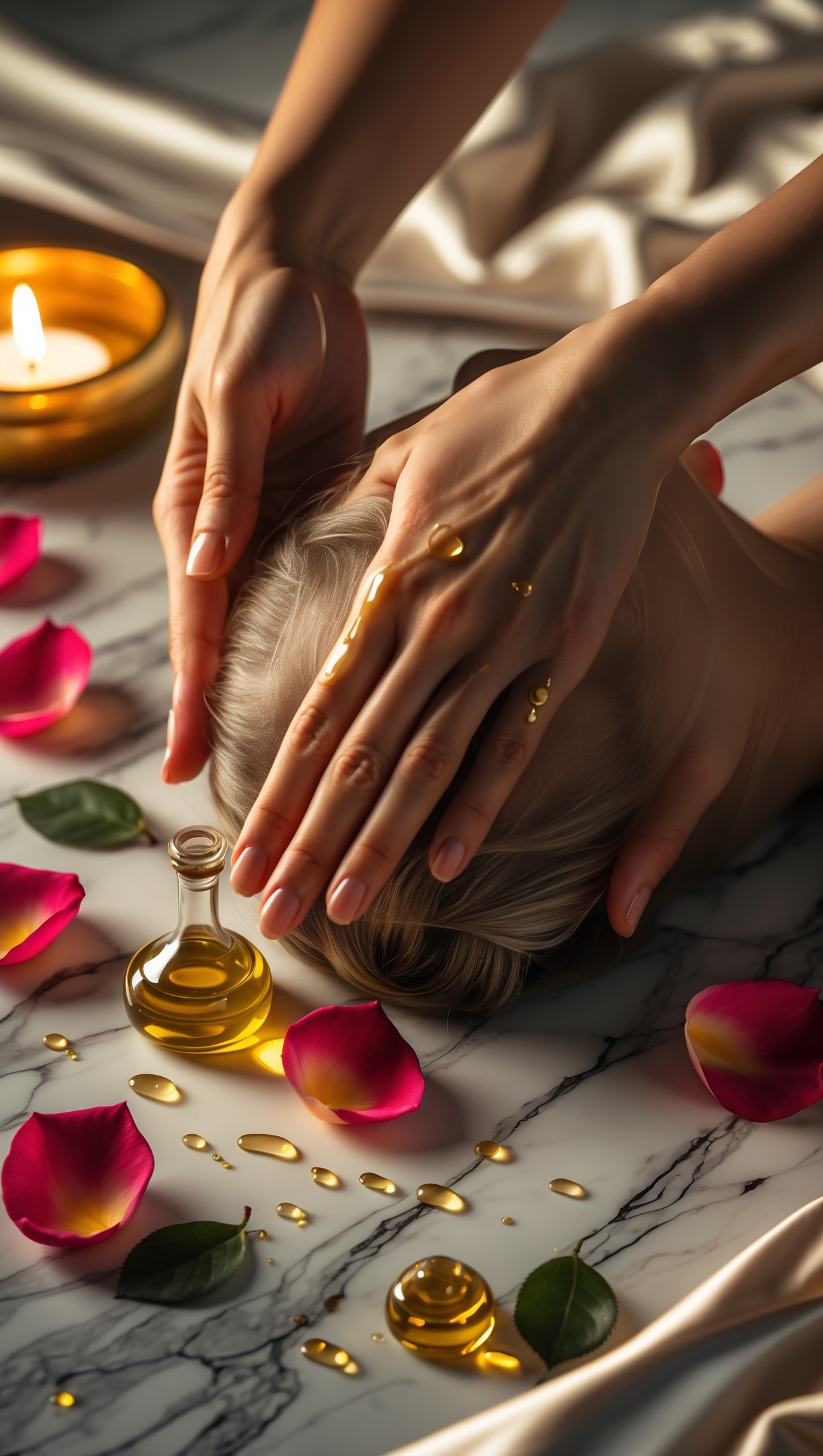
How to use: Mix 3–5 drops of rosemary essential oil with 1 tablespoon of jojoba or coconut oil. Massage into the scalp for 5–10 minutes and leave on for at least 30 minutes before washing out. Use 2–3 times per week for best results.
2. Peppermint Oil — The Circulation Booster
That tingling sensation you get from peppermint oil? That's actually a sign it's working. Peppermint oil contains menthol, which causes a vasodilation effect — meaning it widens blood vessels and increases blood flow to the scalp. This surge of circulation delivers more oxygen and nutrients directly to the hair follicles.
A 2014 study found that peppermint oil caused significant hair growth, increasing follicle number, follicle depth, and overall hair thickness. It also has antimicrobial properties that help keep the scalp clean and healthy.
How to use: Add 2–3 drops to your regular shampoo or mix with a carrier oil for a scalp massage. Don't overdo it — peppermint oil is potent and can cause tingling or mild irritation in large amounts.
3. Lavender Oil — The Calming Growth Promoter
Lavender essential oil is well known for its calming properties, but it's also a surprisingly powerful tool for hair growth. Research has shown that lavender oil can significantly increase the number of hair follicles and deepen follicle depth, leading to thicker, more robust hair growth.
Lavender also has antimicrobial and antiseptic properties, making it excellent for maintaining a clean, balanced scalp. As a bonus, its soothing scent makes your hair care routine feel like a luxurious spa experience.
How to use: Blend 5–6 drops into 2 tablespoons of argan or sweet almond oil. Massage gently into the scalp and leave on overnight for deep nourishment. Wash out in the morning.
4. Cedarwood Oil — The Scalp Balancer
Cedarwood essential oil stimulates the scalp and promotes hair growth by balancing the oil-producing glands. It also has antifungal and antibacterial properties that can help treat dandruff and scalp conditions that interfere with healthy hair growth.
Some studies have found that cedarwood oil, when used as part of a blend with other essential oils, helped reduce hair loss in people with alopecia areata.
How to use: Mix 3–4 drops with a carrier oil of your choice and massage into the scalp. Ideal for those with oily or flaky scalps.
5. Clary Sage Oil — The Hormone Balancer
Hair loss linked to hormonal changes — such as during pregnancy, menopause, or stress — can benefit greatly from clary sage oil. It contains linalyl acetate, which helps balance hormones and reduce cortisol levels, one of the main triggers of stress-related hair loss.
Clary sage also strengthens existing hair strands, reducing breakage and making hair appear thicker and healthier.
How to use: Combine 3 drops of clary sage oil with 1 tablespoon of coconut oil. Apply to the scalp and leave for 20–30 minutes before rinsing.
How to Create a DIY Hair Growth Oil Blend
One of the most effective ways to use essential oils for hair growth is to create a custom oil blend that targets multiple concerns at once. Here's a simple recipe to get you started:
- 3 drops rosemary oil
- 2 drops peppermint oil
- 2 drops lavender oil
- 2 tablespoons jojoba oil (carrier oil)
Mix all ingredients together and store in a dark glass bottle. Massage into your scalp 2–3 times per week, focusing on areas of thinning or slow growth. Leave on for a minimum of 30 minutes or overnight for best results.
Important Tips for Using Essential Oils Safely
- Always patch test before applying to the full scalp — apply a small amount to your inner wrist and wait 24 hours to check for reactions.
- Never apply undiluted essential oils directly to the scalp.
- Be consistent — hair growth results take time. Expect to see noticeable changes after 8–12 weeks of regular use.
- Avoid contact with eyes and rinse immediately with cool water if accidental contact occurs.
- If you are pregnant or have a medical condition, consult a healthcare professional before using essential oils.
Final Thoughts
Incorporating essential oils into your hair care routine is one of the most natural, affordable, and effective ways to support hair growth and scalp health. From rosemary's clinically backed growth-boosting powers to lavender's follicle-deepening benefits, these plant-powered oils truly deliver results when used consistently.
Start with one or two oils, observe how your scalp responds, and gradually build your personalised hair growth ritual. Your most luscious hair chapter is just beginning — and nature has everything you need to write it.
Discover the beauty brands we use and recommend: BINU Beauty for premium skincare, Voghion for fashion & beauty finds, and MINOX for luxury high fashion (Moncler, Burberry & more). Some links are affiliate links.