This article contains affiliate links. If you buy through them, we may earn a commission at no extra cost to you.
Skincare Ingredients You Should Never Mix
Building a skincare routine feels empowering — until you realise that some of your favourite ingredients are quietly working against each other. Layering the wrong actives can cause irritation, breakouts, dryness, and even long-term skin damage. Before you reach for that next serum or treatment, read this guide carefully. Your skin will thank you.
Why Ingredient Compatibility Matters
Active skincare ingredients are powerful precisely because they interact with your skin on a chemical level. That same reactivity means they can also interact with each other — sometimes neutralising their benefits, sometimes creating harmful byproducts, and sometimes simply overwhelming the skin's barrier. Understanding which combinations to avoid is just as important as knowing which ingredients to use.
The Most Dangerous Skincare Combos
1. Retinol + Vitamin C
Both retinol and vitamin C are skincare superstars on their own, but together they are a recipe for irritation. Retinol works best in a higher-pH environment, while vitamin C (especially L-ascorbic acid) requires a low pH to remain stable and effective. Layering them together can destabilise both ingredients and cause redness, peeling, and sensitivity.
- Solution: Use vitamin C in your morning routine and retinol at night.
- This simple split allows each ingredient to perform at its peak.
2. Retinol + AHAs or BHAs
Combining retinol with exfoliating acids like glycolic acid, lactic acid, or salicylic acid is one of the most common over-exfoliation mistakes. Both retinol and acids accelerate cell turnover, and using them together strips the skin barrier far too aggressively. The result? Severe dryness, micro-tears, inflammation, and increased sun sensitivity.
- Solution: Alternate nights — acids one evening, retinol the next.
- Always follow with a rich, barrier-repairing moisturiser.
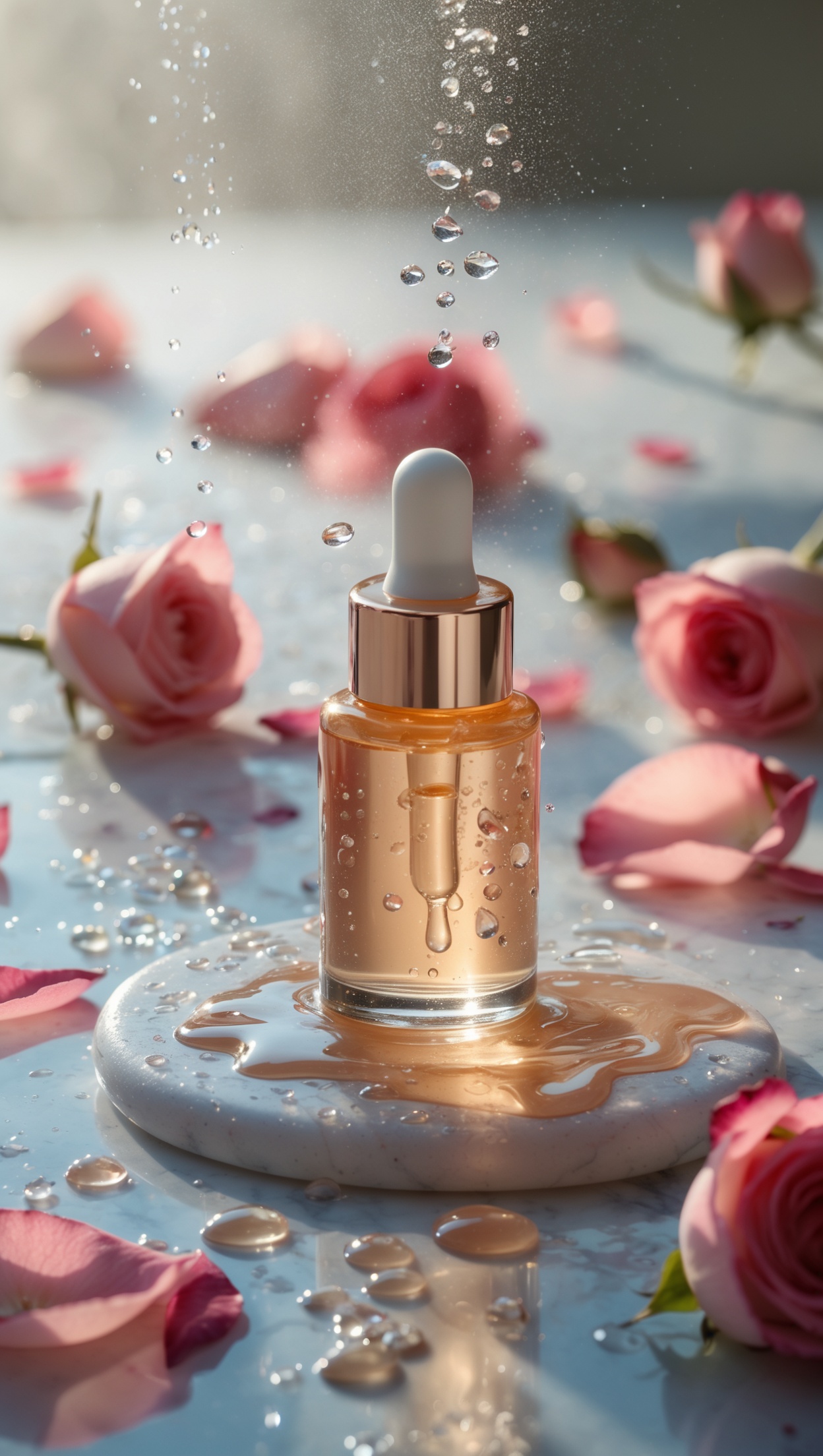
At Éclat Beauty, we love the gentle yet effective formulations from Binu Beauty. This serum from binu_beauty is a brilliant option for those who want results without the harshness of over-layering actives.
3. Vitamin C + Niacinamide
This one is debated in the skincare community, but the concern is valid. Vitamin C (ascorbic acid) and niacinamide can react to form nicotinic acid, a compound that may cause facial flushing and reduce the effectiveness of both ingredients. While newer, stable forms of vitamin C are less reactive, it is still best practice to use them separately.
- Solution: Use vitamin C in the morning and niacinamide in the evening.
- Alternatively, choose products that have been professionally formulated to include both safely.
4. AHAs/BHAs + Vitamin C
Layering exfoliating acids directly with vitamin C can cause significant skin sensitivity and reduce the stability of the vitamin C itself. Acidic environments can alter how each ingredient behaves on the skin, often leading to redness and a compromised skin barrier.
- Solution: Apply vitamin C first in the morning — acids should be used at night or on alternating days.
5. Benzoyl Peroxide + Retinol
Benzoyl peroxide is a powerful acne-fighting ingredient, but when combined with retinol it can oxidise the retinol, rendering it completely ineffective. You would essentially be wasting your retinol product. Beyond that, both ingredients are drying, and combining them dramatically increases the risk of irritation and barrier damage.
- Solution: Use benzoyl peroxide in the morning and retinol at night — never together.
6. Benzoyl Peroxide + Vitamin C
Benzoyl peroxide is an oxidising agent, and vitamin C is an antioxidant. Put simply, they cancel each other out. Using them together means neither ingredient will work as intended, making your routine less effective and potentially irritating.
- Solution: Keep these ingredients in completely separate routines.
7. Multiple Exfoliating Acids at Once
It can be tempting to pile on glycolic acid, lactic acid, and salicylic acid all at once for a deep exfoliation effect. In reality, this approach is extremely harsh and can cause severe barrier disruption, redness, and peeling. Over-exfoliation is one of the leading causes of chronic skin sensitivity.
- Solution: Choose one exfoliating acid per session and limit use to two or three times per week.
Smart Ingredient Pairings That Actually Work
Now that you know what to avoid, here are some combinations that are genuinely synergistic:
- Niacinamide + Hyaluronic Acid — A soothing, hydrating duo perfect for sensitive skin.
- Retinol + Peptides — Peptides help buffer retinol's intensity while supporting collagen production.
- Vitamin C + SPF — Antioxidant protection works beautifully alongside a broad-spectrum sunscreen.
- AHAs + Hyaluronic Acid — Exfoliate with acid, then immediately replenish moisture with hyaluronic acid.
If you are looking for a clean, thoughtfully formulated routine, try binu_beauty for your evening routine. Their approach to ingredient integrity means you get results without accidental conflicts.
How to Build a Safe, Effective Routine
The key to avoiding ingredient clashes is simplicity and intentionality. You do not need ten actives in your routine — in fact, less is often more when it comes to healthy skin. Here are some golden rules to follow:
- Introduce new actives one at a time and wait at least two weeks before adding another.
- Always patch test new products on your inner wrist before applying to your face.
- Split potent actives between your AM and PM routines wherever possible.
- Read ingredient labels carefully, especially when layering serums.
- When in doubt, consult a dermatologist or trusted beauty advisor.
Final Thoughts
Your skincare routine should work with your skin, not against it. Understanding ingredient interactions is not just for skincare experts — it is essential knowledge for anyone serious about achieving healthy, glowing skin. Take your time, layer wisely, and remember that consistency with a few well-chosen ingredients will always outperform a cluttered shelf of conflicting actives.
At Éclat Beauty, we are committed to helping you build routines that are both effective and safe. Explore the gentle, high-performance range from binu_beauty and experience what thoughtfully formulated skincare truly feels like.
Discover the beauty brands we use and recommend: BINU Beauty for premium skincare, Voghion for fashion & beauty finds, and MINOX for luxury high fashion (Moncler, Burberry & more). Some links are affiliate links.