Non-Toxic Makeup: Safer Beauty Picks

Ungiftige Make-up: Sichere Auswahl

Non-Toxic Makeup: Safer Beauty Picks

Image: AI-generated · Bild: KI-generiert

🇬🇧 English

This article contains affiliate links. If you buy through them, we may earn a commission at no extra cost to you.

Non-Toxic Beauty Products for Safer Makeup

Every day, the average person applies dozens of personal care and makeup products to their skin. From foundation and mascara to lip colour and setting spray, these products contain hundreds of individual ingredients — and not all of them are as safe as they appear. The growing movement toward non-toxic beauty is not just a trend; it is a necessary shift toward protecting your long-term health and the wellbeing of the environment.

At éclat beauty, we believe that looking good should never come at the cost of your health. In this guide, we break down what non-toxic beauty really means, which harmful ingredients to avoid, and how to build a genuinely safer makeup routine.

What Does Non-Toxic Beauty Actually Mean?

The term non-toxic beauty refers to products formulated without ingredients known or suspected to cause harm — either to the human body or the environment. This includes endocrine disruptors, carcinogens, irritants, and synthetic compounds that accumulate in body tissue over time.

However, it is important to note that the beauty industry is largely self-regulated in many countries. Labels like "natural," "clean," or "green" are not legally standardised, which makes it essential for consumers to educate themselves and read ingredient lists carefully.

Harmful Ingredients to Avoid in Makeup

When shopping for safer cosmetics, there are specific chemicals you should learn to identify and avoid. Here are the most commonly flagged offenders:

  • Parabens – Used as preservatives, parabens (such as methylparaben and propylparaben) have been linked to hormone disruption. They are found in foundations, mascaras, and moisturisers.
  • Phthalates – Often hidden under the vague term "fragrance," phthalates are known endocrine disruptors that can interfere with reproductive health.
  • Formaldehyde-releasing preservatives – Found in nail polishes and some hair products, these compounds slowly release formaldehyde, a known carcinogen.
  • Synthetic fragrances – A single "fragrance" listing can represent up to 3,000 different undisclosed chemicals. Many are allergens or hormone disruptors.
  • Talc – When contaminated with asbestos (which occurs naturally in proximity to talc deposits), talc poses a serious cancer risk. It is commonly found in loose powders and eyeshadows.
  • Heavy metals – Lead, mercury, arsenic, and cadmium can be found in trace amounts in many conventional lipsticks and foundations. Long-term exposure is toxic.
  • PEGs (Polyethylene Glycols) – Used as thickeners and penetration enhancers, PEGs can be contaminated with carcinogenic compounds during manufacturing.

How to Read a Cosmetic Ingredient Label

Ingredients on cosmetic labels are listed in descending order of concentration. The first five to ten ingredients make up the bulk of the formula, while those at the end are present in smaller amounts. Here are some practical tips for decoding labels:

  • Use trusted apps like INCI Beauty or Think Dirty to scan and analyse product ingredients instantly.
  • Look for certifications such as COSMOS Organic, EWG Verified, or NATRUE, which indicate stricter formulation standards.
  • Be wary of the word "fragrance" or "parfum" — always prefer products that list individual aromatic ingredients.
  • Shorter ingredient lists are not always better, but they are often easier to evaluate for safety.

Building a Safer Makeup Routine Step by Step

1. Start with Your Base

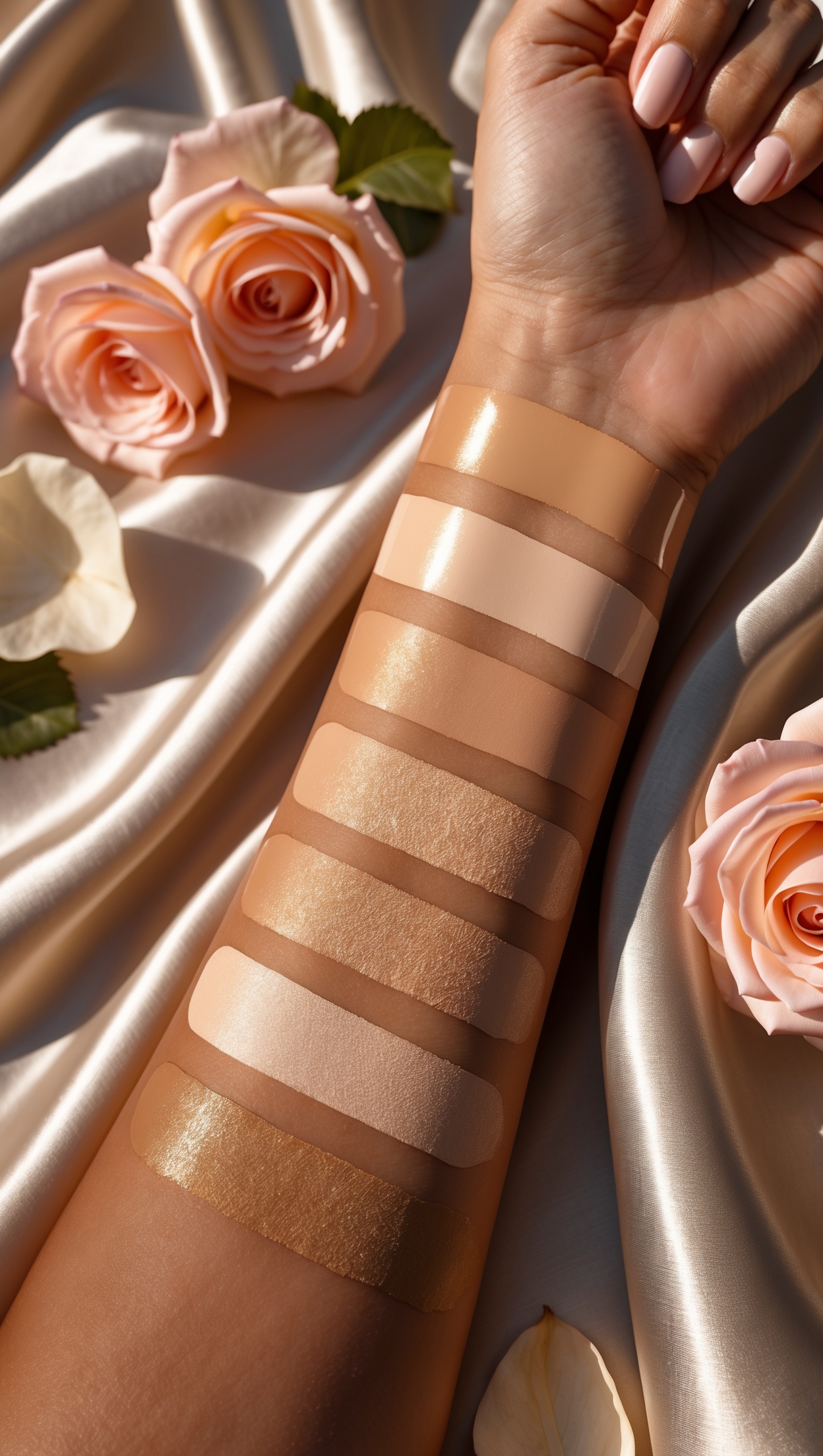
Your foundation and primer cover the largest surface area of skin and are worn for the longest periods. Choose formulas that are free from parabens, synthetic fragrance, and heavy metals. Look for mineral-based foundations that use zinc oxide or titanium dioxide as the primary pigment and coverage agent — these are among the safest options available.

2. Eyes and Brows

Mascaras, eyeliners, and eyeshadows are applied in close proximity to mucous membranes. Prioritise products free from carbon black (a potential carcinogen), coal tar dyes, and synthetic preservatives. Opt for mineral eyeshadow palettes with certified pigments.

3. Lips

Because lip products are inevitably ingested over time, this category deserves particular scrutiny. Avoid lip colours containing synthetic dyes (such as FD&C Red No. 6), petroleum derivatives, and added fragrance. Choose formulas with plant-based waxes and naturally derived pigments.

4. Skin Prep and Setting

Setting sprays, primers, and finishing powders often contain alcohols and synthetic polymers that are absorbed directly into the skin. Look for alcohol-free, plant-derived alternatives with minimal processing.

The Environmental Impact of Toxic Beauty

Non-toxic beauty is not only about protecting yourself — it is also about protecting the planet. Synthetic chemicals in cosmetics are washed down drains and enter waterways, where they disrupt aquatic ecosystems. Microplastics found in exfoliating makeup products are particularly damaging to marine life. Choosing clean beauty is an act of environmental responsibility as much as personal care.

Tips for Transitioning to Non-Toxic Makeup

  • Swap one product at a time. You do not need to overhaul your entire collection overnight. Start with the products you use most frequently or apply near sensitive areas (eyes, lips).
  • Research brands before you buy. Transparency is a hallmark of trustworthy clean beauty brands — look for companies that publish full ingredient sourcing information.
  • Set a realistic budget. Non-toxic beauty products can be more expensive due to higher-quality ingredients, but many affordable clean options are emerging in the market.
  • Trust certifications. Third-party certifications give you an independent verification that a product meets defined safety standards.
  • Be patient with performance. Clean formulas have improved dramatically, but there may be a short adjustment period as you find products that work for your skin type and tone.

Final Thoughts: Your Skin Deserves Better

Making the switch to non-toxic beauty products is one of the most powerful decisions you can make for your health. Your skin is your body's largest organ, and what you apply to it matters. By choosing safer makeup, you reduce your toxic load, support ethical brands, and contribute to a cleaner, healthier beauty industry overall.

At éclat beauty, we are committed to curating and sharing only the most trustworthy clean beauty resources and recommendations. Because true beauty is not just how you look — it is how you feel, inside and out.

Discover the beauty brands we use and recommend: BINU Beauty for premium skincare, Voghion for fashion & beauty finds, and MINOX for luxury high fashion (Moncler, Burberry & more). Some links are affiliate links.
🇩🇪 Deutsch

Dieser Artikel enthält Affiliate-Links (Werbung). Kaufst du darüber, erhalten wir ggf. eine Provision – für dich ohne Mehrkosten.

Ungiftige Schönheitsprodukte für sichereres Make-up

Im Durchschnitt trägt ein Mensch täglich Dutzende Pflege- und Make-up-Produkte auf die Haut auf. Von Foundation und Mascara über Lippenstift bis hin zu Fixierspray — all diese Produkte enthalten Hunderte verschiedener Inhaltsstoffe, von denen nicht alle so sicher sind, wie sie scheinen. Die wachsende Bewegung hin zu ungiftigen Schönheitsprodukten ist kein bloßer Trend, sondern eine notwendige Entwicklung zum Schutz der Gesundheit und der Umwelt.

Bei éclat beauty sind wir überzeugt: Gut aussehen sollte niemals auf Kosten deiner Gesundheit gehen. In diesem Leitfaden erklären wir, was ungiftige Schönheit wirklich bedeutet, welche schädlichen Inhaltsstoffe du meiden solltest und wie du eine wirklich sicherere Make-up-Routine aufbauen kannst.

Was bedeutet ungiftige Schönheit wirklich?

Der Begriff ungiftige Schönheit bezieht sich auf Produkte, die ohne Inhaltsstoffe formuliert wurden, die als schädlich bekannt oder verdächtig sind — sowohl für den menschlichen Körper als auch für die Umwelt. Dazu gehören hormonelle Störstoffe, Karzinogene, Reizstoffe und synthetische Verbindungen, die sich im Körpergewebe anreichern können.

Es ist jedoch wichtig zu wissen, dass die Schönheitsindustrie in vielen Ländern weitgehend selbstreguliert ist. Begriffe wie "natürlich", "clean" oder "grün" sind gesetzlich nicht einheitlich definiert. Deshalb ist es entscheidend, dass Verbraucherinnen und Verbraucher Inhaltsstofflisten sorgfältig lesen und sich eigenständig informieren.

Schädliche Inhaltsstoffe, die du in Make-up vermeiden solltest

Beim Kauf sichererer Kosmetika gibt es bestimmte chemische Substanzen, die du kennen und meiden solltest. Hier sind die am häufigsten kritisierten Inhaltsstoffe:

  • Parabene – Als Konservierungsstoffe eingesetzt, stehen Parabene (wie Methylparaben und Propylparaben) im Verdacht, den Hormonhaushalt zu stören. Sie sind in Foundations, Mascaras und Feuchtigkeitscremes zu finden.
  • Phthalate – Häufig hinter dem vagen Begriff "Duftstoff" versteckt, sind Phthalate bekannte hormonelle Störstoffe, die die Fortpflanzungsgesundheit beeinträchtigen können.
  • Formaldehyd-freisetzende Konservierungsstoffe – Sie kommen in Nagellacken und einigen Haarpflegeprodukten vor und setzen langsam Formaldehyd frei, ein anerkanntes Karzinogen.
  • Synthetische Duftstoffe – Ein einziger Eintrag "Parfum" kann bis zu 3.000 verschiedene nicht offengelegte Chemikalien repräsentieren. Viele davon sind Allergene oder Hormonstörer.
  • Talk – Wenn Talk mit Asbest verunreinigt ist (was natürlich in der Nähe von Talkvorkommen vorkommt), stellt er ein ernstes Krebsrisiko dar. Er ist häufig in losen Pudern und Lidschatten zu finden.
  • Schwermetalle – Blei, Quecksilber, Arsen und Cadmium können in Spuren in vielen konventionellen Lippenstiften und Foundations enthalten sein. Eine Langzeitexposition ist giftig.
  • PEGs (Polyethylenglykole) – Als Verdickungsmittel und Penetrationsverstärker eingesetzt, können PEGs bei der Herstellung mit krebserregenden Verbindungen verunreinigt werden.

So liest du ein kosmetisches Inhaltsstoffetikett richtig

Inhaltsstoffe auf Kosmetiketiketten sind in absteigender Reihenfolge der Konzentration aufgeführt. Die ersten fünf bis zehn Inhaltsstoffe machen den Großteil der Formel aus. Hier sind einige praktische Tipps zum Entschlüsseln von Etiketten:

  • Nutze vertrauenswürdige Apps wie INCI Beauty oder Think Dirty, um Produktinhaltsstoffe sofort zu scannen und zu analysieren.
  • Achte auf Zertifizierungen wie COSMOS Organic, EWG Verified oder NATRUE, die strengere Formulierungsstandards anzeigen.
  • Sei vorsichtig bei den Begriffen "Fragrance" oder "Parfum" — bevorzuge immer Produkte, die einzelne aromatische Inhaltsstoffe auflisten.
  • Kürzere Inhaltsstofflisten sind nicht immer besser, aber oft leichter auf Sicherheit zu überprüfen.

Schritt für Schritt zu einer sichereren Make-up-Routine

1. Die Basis

Foundation und Primer bedecken die größte Hautfläche und werden am längsten getragen. Wähle Formeln, die frei von Parabenen, synthetischen Duftstoffen und Schwermetallen sind. Mineralische Foundations auf Basis von Zinkoxid oder Titandioxid gehören zu den sichersten verfügbaren Optionen.

2. Augen und Brauen

Mascaras, Eyeliner und Lidschatten werden in der Nähe der Schleimhäute aufgetragen. Bevorzuge Produkte, die frei von Ruß (einem potenziellen Karzinogen), Kohlenteerfarben und synthetischen Konservierungsstoffen sind. Entscheide dich für mineralische Lidschatten-Paletten mit zertifizierten Pigmenten.

3. Lippen

Da Lippenprodukte unweigerlich über Zeit aufgenommen werden, verdient diese Kategorie besondere Aufmerksamkeit. Vermeide Lippenfarben mit synthetischen Farbstoffen, Erdölderivaten und zugesetzten Duftstoffen. Wähle Formeln mit pflanzlichen Wachsen und natürlich gewonnenen Pigmenten.

4. Hautpflege-Vorbereitung und Fixierung

Fixiersprays, Primer und Finishing-Puder enthalten häufig Alkohole und synthetische Polymere, die direkt in die Haut aufgenommen werden. Suche nach alkoholfreien, pflanzlichen Alternativen mit minimaler Verarbeitung.

Die Umweltauswirkungen toxischer Schönheitsprodukte

Ungiftige Schönheit schützt nicht nur dich selbst — sie schützt auch den Planeten. Synthetische Chemikalien in Kosmetika werden über die Kanalisation in Gewässer gespült, wo sie aquatische Ökosysteme stören. Mikroplastik in exfolierenden Make-up-Produkten ist besonders schädlich für das Meeresleben. Die Wahl von Clean Beauty ist ebenso ein Akt der Umweltverantwortung wie persönliche Pflege.

Tipps für den Umstieg auf ungiftiges Make-up

  • Tausche ein Produkt nach dem anderen aus. Du musst deine gesamte Kollektion nicht über Nacht umstellen. Beginne mit den Produkten, die du am häufigsten verwendest oder in der Nähe empfindlicher Bereiche (Augen, Lippen) aufträgst.
  • Recherchiere Marken, bevor du kaufst. Transparenz ist ein Merkmal vertrauenswürdiger Clean-Beauty-Marken — suche nach Unternehmen, die vollständige Informationen über die Herkunft der Inhaltsstoffe veröffentlichen.
  • Setze ein realistisches Budget. Ungiftige Schönheitsprodukte können aufgrund hochwertigerer Inhaltsstoffe teurer sein, aber es gibt zunehmend auch erschwingliche Clean-Optionen auf dem Markt.
  • Vertraue Zertifizierungen. Zertifizierungen von Dritten geben dir eine unabhängige Bestätigung, dass ein Produkt definierten Sicherheitsstandards entspricht.
  • Sei geduldig mit der Leistung. Saubere Formeln haben sich enorm verbessert, aber es kann eine kurze Anpassungsphase geben, bis du Produkte findest, die zu deinem Hauttyp und -ton passen.

Fazit: Deine Haut verdient das Beste

Der Umstieg auf ungiftige Schönheitsprodukte ist eine der wirkungsvollsten Entscheidungen, die du für deine Gesundheit treffen kannst. Deine Haut ist das größte Organ deines Kör

Entdecke die Beauty-Brands, die wir selbst nutzen und empfehlen: BINU Beauty für Premium-Hautpflege, Voghion für Fashion & Beauty, und MINOX für Luxus-High-Fashion (Moncler, Burberry & mehr). Einige Links sind Affiliate-Links.