This article contains affiliate links. If you buy through them, we may earn a commission at no extra cost to you.
Niacinamide Skincare Benefits for Every Skin Type
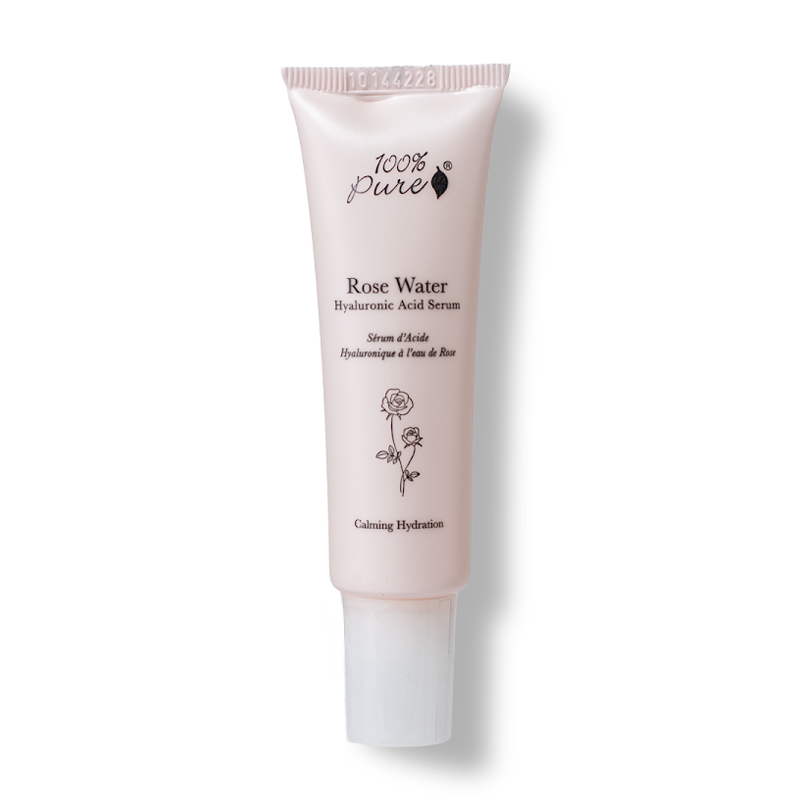
Niacinamide — also known as vitamin B3 — has quietly become one of the most versatile ingredients in modern skincare. Whether your skin is oily, dry, sensitive or a combination of all three, this water-soluble vitamin delivers measurable results without the irritation that stronger actives can cause. If you want to start building a niacinamide routine with clean, well-formulated products, get it from 100% Pure — but read on first to understand exactly what your skin type stands to gain.
What Is Niacinamide and Why Does It Work?
Niacinamide is a form of vitamin B3 that your skin cannot produce on its own. Applied topically, it communicates with skin cells to regulate oil production, reinforce the protective barrier, calm inflammation and lighten discolouration. Because it works through multiple pathways simultaneously, a single ingredient can address several concerns at once — which is why it appears in serums, moisturisers, toners and even sunscreens.
Concentrations between 2 % and 10 % are studied in clinical literature. Lower percentages (2–5 %) suit sensitive or reactive skin, while higher concentrations (5–10 %) are used to visibly minimise pores and even out pigmentation on more tolerant complexions.
Niacinamide Benefits by Skin Type
Oily and Acne-Prone Skin
Excess sebum is one of the main triggers behind clogged pores and breakouts. Niacinamide reduces the rate at which sebaceous glands produce oil, which means shine is controlled throughout the day. At the same time, its anti-inflammatory properties help calm active blemishes and reduce post-acne redness — making it a two-in-one solution for skin that cycles between breakouts and residual marks.
- Pore appearance: Regular use of 5–10 % niacinamide visibly tightens enlarged pores over four to eight weeks.
- Sebum regulation: Mattifies skin without stripping it of essential moisture.
- Redness reduction: Calms the inflammation around breakouts faster than many targeted spot treatments.
Dry and Dehydrated Skin
For dry skin types, the priority is always barrier repair. Niacinamide stimulates the production of ceramides and fatty acids within the skin's natural barrier, helping it retain moisture more efficiently. The result is skin that feels softer, looks plumper and is less prone to tightness or flakiness — especially during colder months or after prolonged use of stronger exfoliants.
- Ceramide synthesis: Supports the lipid layer that keeps water locked in.
- Hydration retention: Works well layered under a rich moisturiser or facial oil.
- Texture improvement: Smooths rough patches when used consistently over several weeks.
Sensitive and Reactive Skin
Sensitive skin responds poorly to fragrance, alcohol and harsh exfoliating acids. Niacinamide is one of the few actives that is widely tolerated even by reactive complexions. It reduces the skin's inflammatory response to environmental triggers and helps repair a compromised barrier — the root cause behind most sensitivity flare-ups.
If your skin tends toward redness or reacts to most products, a dedicated barrier serum formulated without fragrances or essential oils may work well alongside a niacinamide step in your routine.
- Anti-redness: Inhibits the transfer of melanin to skin surface cells, also calming visible redness over time.
- Barrier support: Strengthens the protective function that keeps irritants out.
- Fragrance-free compatibility: Pairs easily with minimal, clean routines.
Combination Skin
Combination skin is perhaps where niacinamide shines most distinctly. It controls oil in the T-zone while delivering enough hydration to drier cheek areas — something very few single ingredients manage. One serum, applied all over the face, balances both zones rather than forcing you to layer multiple conflicting products.
Mature and Dull Skin
With age, cell turnover slows and uneven pigmentation becomes more visible. Niacinamide inhibits the transfer of melanosomes (pigment-carrying cells) to the skin's surface, which gradually fades dark spots, post-inflammatory hyperpigmentation and sun-induced discolouration. It also boosts collagen-supporting proteins, helping skin appear firmer and more luminous.
How to Add Niacinamide to Your Routine
Niacinamide plays well with most other skincare ingredients. Apply it after cleansing and toning but before heavier creams or oils. It can be used morning and evening, and it layers safely with hyaluronic acid, peptides, SPF and even retinol — making it one of the easiest actives to slot into an existing routine.
- With AHAs/BHAs: Use niacinamide either before or after exfoliating acids, not simultaneously — apply acid first, allow it to absorb, then follow with niacinamide.
- With vitamin C: Modern formulations handle this pairing well. If you use pure L-ascorbic acid, apply them at different times of day to avoid any potential interaction.
- With retinol: Niacinamide calms the irritation that retinol can trigger, making the combination particularly effective for anti-ageing routines.
What to Look for in a Niacinamide Product
The best niacinamide products list it within the first five to seven ingredients, use a stable pH range (5–7) and avoid synthetic fragrance or harsh preservatives that can undercut the calming benefits. For a clean formulation approach, natural skincare made without petrochemicals or synthetic fragrance — like that from 100% Pure — lets niacinamide work without unnecessary additives interfering with your barrier.
Common Questions About Niacinamide
How long before I see results?
Most people notice improved texture and reduced shine within two to four weeks. Visible fading of dark spots and significant pore refinement typically takes eight to twelve weeks of consistent use.
Can I use niacinamide every day?
Yes. Niacinamide is gentle enough for twice-daily use on all skin types, including sensitive skin. It does not cause photosensitivity, so morning use with SPF is perfectly safe.
Is a higher percentage always better?
Not necessarily. For sensitive skin, 2–4 % is sufficient and less likely to cause any initial tingling. For oily or resilient skin types targeting pores or pigmentation, 5–10 % is more effective.
Final Thoughts
Niacinamide is one of the rare skincare ingredients that genuinely works across every skin type without demanding much in return. It does not require a slow introduction period, it does not make your skin sun-sensitive and it cooperates with almost every other active in your routine. If you have been looking for one hero ingredient to simplify your skincare shelf, vitamin B3 is a compelling place to start.
If you want to try niacinamide within a clean, natural skincare routine, you can get it from 100% Pure — including formulas made without synthetic fragrances, petrochemicals or chemical preservatives — to support your skin barrier with ingredients you can trust.