This article contains affiliate links. If you buy through them, we may earn a commission at no extra cost to you.
Minoxidil for Women: Your Complete Guide to Fighting Hair Loss
Noticing more hair on your pillow, in your brush or circling the shower drain is one of the most quietly distressing experiences a woman can have. Female hair loss is far more common than most people realise — affecting an estimated one in three women at some point in their lives — yet it receives far less attention than its male counterpart. If you have been researching your options, you have almost certainly come across minoxidil. This guide covers everything you need to know: how it works, how to use it correctly, what results are realistic and what to watch out for.
Before diving into the science, it is worth noting that if thinning hair is affecting your confidence right now, some women choose to use high-quality wigs as a confidence bridge while waiting for regrowth. You can explore 100% human hair styles — including glueless wear-and-go options — from Zlike Hair, so you never have to put your life on hold during treatment.
What Is Minoxidil and How Does It Work?
Minoxidil was originally developed as an oral medication for high blood pressure. Researchers noticed that patients taking it frequently experienced increased hair growth as a side effect, which led to its reformulation as a topical scalp treatment. Today it is one of only two ingredients approved by the FDA specifically for hair loss (the other being finasteride, which is not generally recommended for women of childbearing age).
The precise mechanism is not fully understood, but minoxidil is thought to work in two main ways:
- Vasodilation: It widens blood vessels near hair follicles, improving the delivery of oxygen and nutrients that follicles need to produce strong, thick hair.
- Prolonging the anagen (growth) phase: Hair grows in cycles. Minoxidil appears to extend the active growth phase and shorten the resting phase, meaning more hairs are actively growing at any one time.
Is Minoxidil Approved for Women?
Yes — but with important nuances. The FDA has approved a 2% topical minoxidil solution specifically for women with androgenetic alopecia (female-pattern hair loss). Some dermatologists also prescribe the 5% strength off-label for women, particularly in foam form, which tends to cause less scalp irritation than the liquid solution.
Minoxidil is not recommended for women who are pregnant, breastfeeding or planning to become pregnant, as it has been linked to fetal harm in animal studies. Always consult a dermatologist or GP before beginning treatment.
What Type of Hair Loss Does Minoxidil Treat?
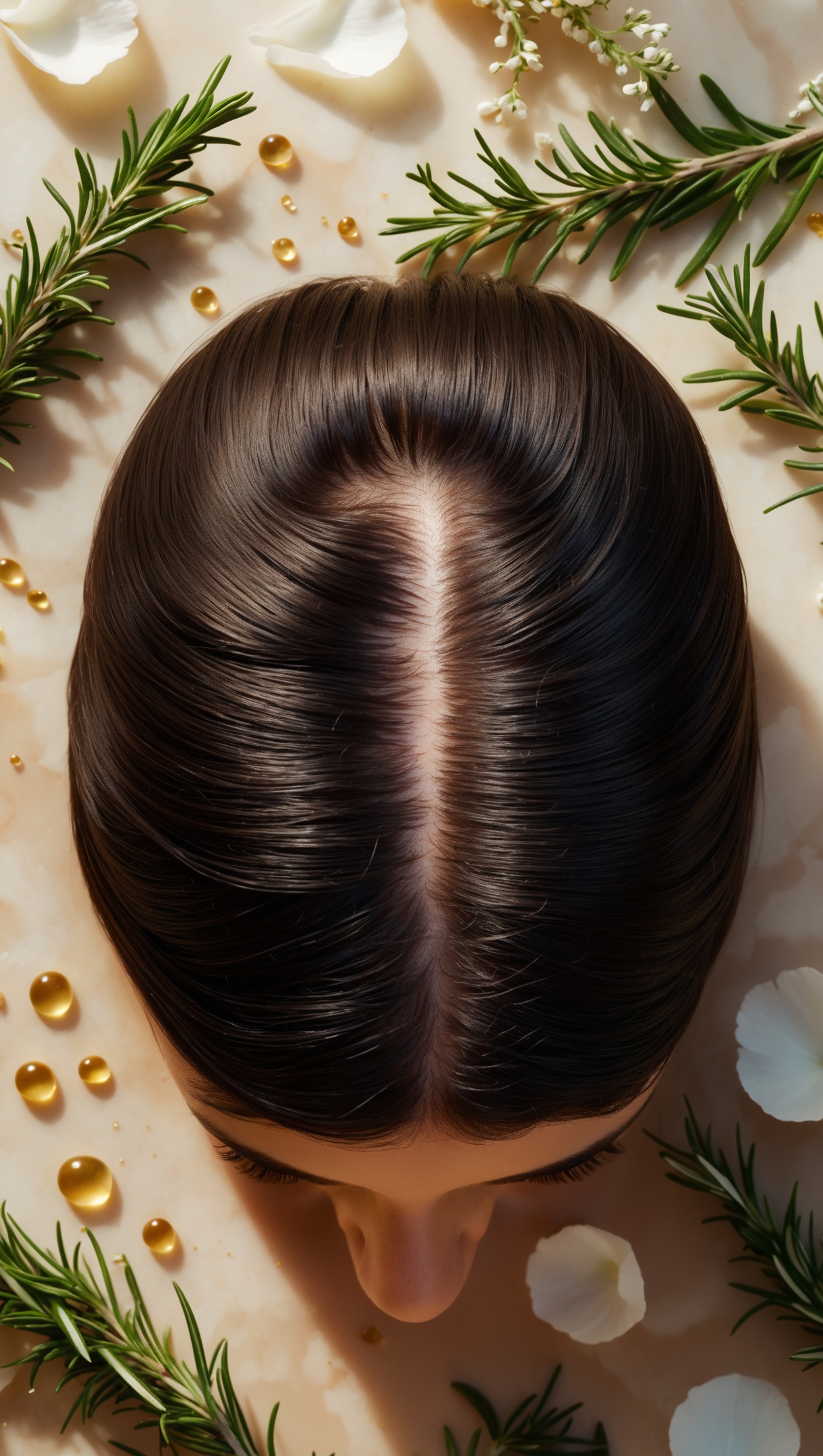
Minoxidil is most effective for androgenetic alopecia, also known as female-pattern hair loss. This typically presents as a gradual widening of the centre parting and diffuse thinning across the crown, rather than the receding hairline pattern seen in men.
It is less likely to be effective for hair loss caused by:
- Nutritional deficiencies (iron, vitamin D, B12)
- Thyroid dysfunction
- Alopecia areata (an autoimmune condition)
- Telogen effluvium (temporary shedding triggered by stress, illness or hormonal shifts)
This is why a professional diagnosis is so important before starting any treatment. Treating the wrong type of hair loss with minoxidil wastes time and money, and delays addressing the true underlying cause.
How to Apply Minoxidil Correctly
For the Topical Solution (2%)
- Apply 1 ml directly to the scalp in the area of thinning, twice daily (morning and evening).
- Use the dropper or applicator to part the hair and reach the scalp directly.
- Gently spread with fingertips — do not rub vigorously.
- Wash hands immediately after application.
- Allow to dry completely (around 4 hours) before going to bed, applying other products or wearing a hat.
For the 5% Foam
- Apply half a capful once daily (usually in the evening) to the affected area.
- Part the hair, press foam directly onto scalp and spread gently.
- Do not apply to wet hair — the foam dissolves rapidly and absorption decreases.
Consistency is everything. Minoxidil must be used every single day without breaks. Stopping treatment reverses any gains within three to six months.
When Will You See Results?
Managing expectations is crucial. Most women experience the following timeline:
- Weeks 1–8: Possible increase in shedding. This is normal and known as "dread shed" — minoxidil pushes resting hairs out to make way for new growth. Do not stop treatment at this stage.
- Months 3–4: New, fine baby hairs may begin to appear along the hairline and parting.
- Months 6–12: Noticeable improvement in density and coverage for women who respond well to treatment.
- Month 12 onwards: Peak results. If there has been no improvement after 12 months of consistent use, consult your dermatologist to reassess.
Potential Side Effects to Know About
Minoxidil is generally well tolerated, but side effects can occur:
- Scalp irritation, dryness or flaking: More common with the liquid solution due to its propylene glycol base. Switching to the foam formulation often resolves this.
- Unwanted facial hair: If the product drips onto the face or is applied with unwashed hands, fine vellus hairs may become more visible. Careful application minimises this risk.
- Contact dermatitis: Redness and itching may indicate an allergy to an inactive ingredient. Discontinue use and see a doctor.
- Systemic absorption: At recommended doses this is minimal, but women who are pregnant or have cardiovascular conditions should seek medical advice before use.
Minoxidil vs. Other Hair Loss Treatments for Women
Minoxidil is the first-line, over-the-counter option, but it is not your only choice:
- Spironolactone: A prescription anti-androgen that can be effective for hormonally driven hair loss; requires regular blood pressure monitoring.
- Low-level laser therapy (LLLT): Devices such as laser caps or combs stimulate follicles using red light; evidence is growing but still limited.
- Platelet-rich plasma (PRP): Injections of concentrated growth factors from your own blood; promising results but expensive and not widely available on the NHS.
- Nutritional support: Addressing deficiencies in iron, ferritin, vitamin D and zinc is essential and should always run alongside any topical treatment.
Tips for Getting the Most from Minoxidil
- Set a daily reminder so you never miss an application.
- Take monthly scalp photographs in the same lighting to objectively track progress.
- Pair minoxidil with a gentle, sulphate-free shampoo to avoid further scalp irritation.
- Avoid heat styling where possible and handle hair gently, especially while wet.
- If cost is a concern, generic minoxidil contains the same active ingredient as branded versions at a fraction of the price.
Final Thoughts
Minoxidil is not a miracle cure, but it is the most evidence-backed, accessible treatment available to women experiencing pattern hair loss. Used correctly and consistently, it delivers real, measurable improvement for the majority of women who respond to it. The key is patience, professional guidance and realistic expectations.
Hair loss is a journey, and you do not have to navigate it alone. Whether you are at the beginning of your treatment or bridging the gap in confidence while you wait for regrowth, options are available to support you every step of the way.
If you are experiencing thinning hair and want to maintain your confidence during treatment, you can explore 100% human hair styles via Zlike Hair — including glueless wear-and-go and lace options — to look and feel like yourself while minoxidil does its work.