This article contains affiliate links. If you buy through them, we may earn a commission at no extra cost to you.
Minoxidil for Hair Regrowth: What You Should Know
Hair thinning can feel deeply personal. Whether it creeps in gradually or seems to happen all at once, the emotional weight of losing hair is real — and so is the desire to do something about it. That's where minox has become one of the most talked-about solutions in haircare. But what exactly is it, how does it work, and is it right for you? Let's break it all down.
What Is Minoxidil?
Originally developed as an oral medication for high blood pressure, minox was found to have a surprising side effect — hair growth. Scientists noticed that patients taking it orally were experiencing increased hair growth across their bodies. This discovery led to the development of a topical version specifically designed to treat hair loss at the scalp.
Today, minox is available in several forms: topical solutions, foams, and more recently, low-dose oral tablets. It is one of the very few hair loss treatments approved by regulatory bodies such as the FDA for both men and women.
How Does Minoxidil Work?
The exact mechanism isn't fully understood, but minox is believed to work in two primary ways:
- Vasodilation: It widens blood vessels around hair follicles, improving blood flow and the delivery of nutrients and oxygen to the follicle.
- Prolonging the growth phase: Hair grows in cycles — the anagen (growth), catagen (transition), and telogen (resting/shedding) phases. minox is thought to extend the anagen phase, giving hair more time to grow longer and thicker before it sheds.
It does not address hormonal causes of hair loss like DHT (dihydrotestosterone), which is why it's often used alongside other treatments such as finasteride for androgenetic alopecia.
Who Is Minoxidil For?
minox is most commonly recommended for people experiencing:
- Androgenetic alopecia (hereditary hair loss, also known as male or female pattern baldness)
- Diffuse thinning across the scalp
- Postpartum hair shedding in women
- Hair thinning from stress or nutritional deficiencies
It is generally not recommended as a first response to patchy hair loss caused by alopecia areata (an autoimmune condition), though some dermatologists may consider it as part of a broader treatment plan.
What Results Can You Realistically Expect?
Patience is everything with minox. Most people won't see visible results until after 3 to 6 months of consistent use. Some may need up to a year before noticing significant changes.
Here's what a typical timeline might look like:
- Weeks 1–8: You might notice increased shedding. This is actually a good sign — it means the hair follicles are transitioning into a new growth cycle. It can be alarming, but it's usually temporary.
- Months 3–4: Fine, baby hairs (vellus hairs) may begin to appear along the hairline or thinning areas.
- Months 6–12: Noticeable regrowth and improved density become visible for most users who respond well to treatment.
Results vary from person to person. Some people experience significant regrowth; others see modest improvements or mainly a halt in further thinning. minox is not a cure — it needs to be used continuously to maintain results. Stopping treatment typically leads to a reversal of any gains within several months.
How to Use Minoxidil Correctly
Consistency and correct application are key to getting the most out of minox. Here are the general guidelines:
- Apply to a dry scalp: Always apply to clean, dry or slightly damp scalp — never wet hair.
- Use the recommended amount: Typically 1ml of solution or half a capful of foam, applied directly to the affected areas.
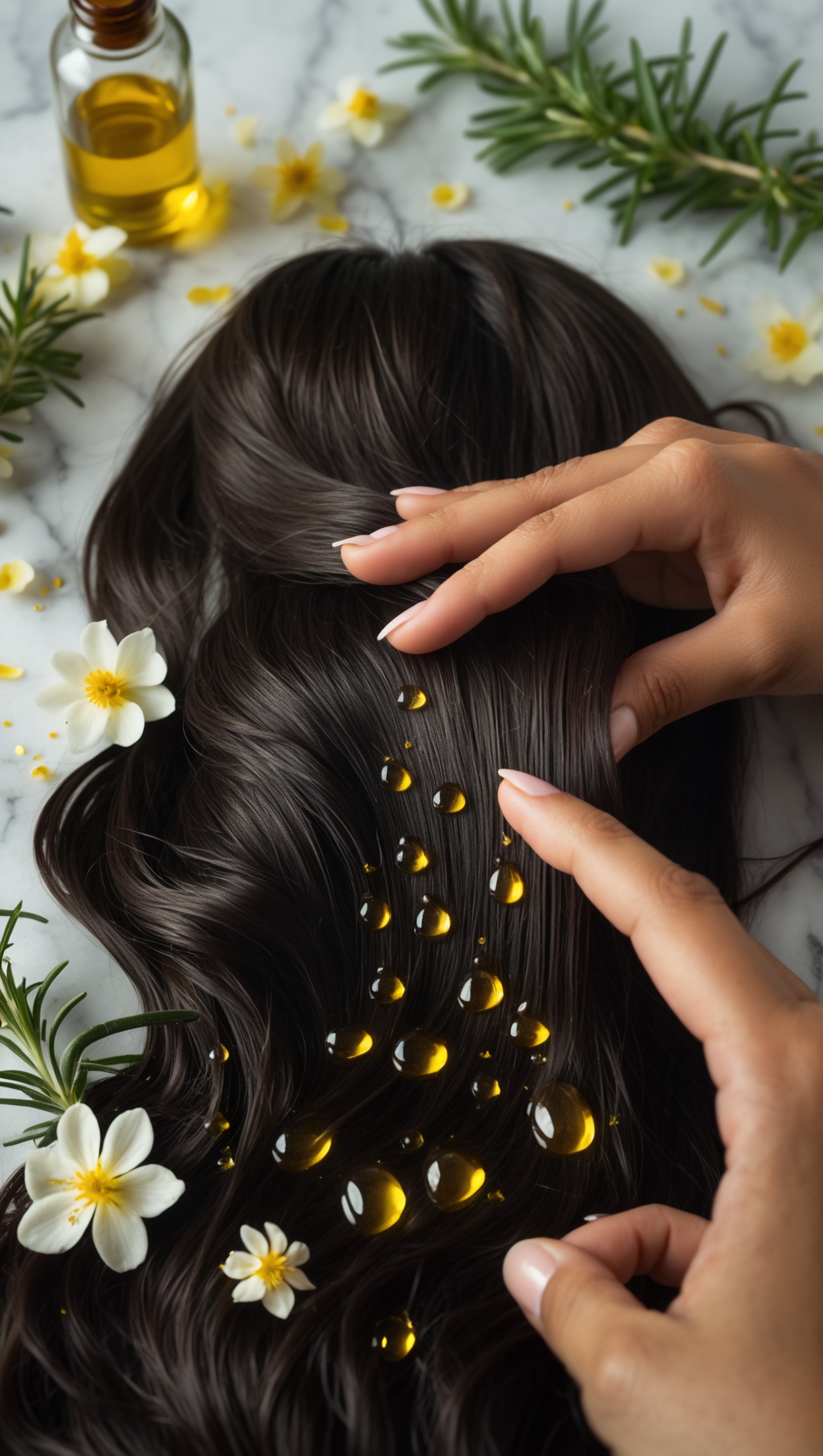
- Massage gently: Use your fingertips to distribute evenly and stimulate circulation.
- Apply twice daily (or as directed): Most topical formulas recommend morning and evening application. Some newer formulations are designed for once-daily use.
- Wait before styling: Allow minox to dry completely before applying any other hair products or going to bed.
Potential Side Effects to Be Aware Of
Like any active treatment, minox can come with side effects. The most common include:
- Scalp irritation or dryness — more common with the liquid solution due to alcohol content
- Initial shedding — usually temporary and a normal part of the process
- Unwanted facial hair growth — more common in women if the product runs onto the face
- Dizziness or low blood pressure — rare with topical use but possible with oral forms
If you experience severe irritation, chest pain, or swelling, discontinue use and consult a healthcare professional immediately.
Minoxidil Foam vs. Solution: Which Is Better?
Both the foam and liquid solution of minox deliver the same active ingredient, but they differ in texture and application experience:
- Foam: Lighter, dries faster, less likely to cause scalp irritation, and easier to apply without dripping. A great choice for women with longer hair.
- Solution: Typically less expensive and available in higher concentrations (5%). Can feel greasy or heavy on the scalp.
The 5% concentration is generally more effective than the 2% version and is now approved for both men and women in many countries.
Tips for Maximising Results
To give minox the best chance of working, consider combining it with the following habits:
- Scalp massages: Regular scalp massage (5–10 minutes daily) has been shown in studies to help increase hair thickness by stretching follicle cells.
- A nutrient-rich diet: Adequate intake of iron, zinc, biotin, and protein supports healthy hair growth from within.
- Reduce heat and chemical damage: Minimise the use of harsh styling tools and chemical treatments that weaken strands.
- Consult a dermatologist: If hair loss is significant, a professional can help identify the root cause and recommend a comprehensive treatment approach.
Final Thoughts
minox is one of the most clinically backed options available for hair regrowth — and for many people, it genuinely works. The key is realistic expectations, consistency, and a little patience. Hair regrowth is a slow process, but with the right routine and the right support, fuller, healthier hair is absolutely within reach.
Whether you're just beginning to notice thinning or you've been dealing with hair loss for years, minox could be the first step toward reclaiming your confidence — one strand at a time.
Discover the beauty brands we use and recommend: BINU Beauty for premium skincare, Voghion for fashion & beauty finds, and MINOX for luxury high fashion (Moncler, Burberry & more). Some links are affiliate links.