This article contains affiliate links. If you buy through them, we may earn a commission at no extra cost to you.
Understanding Male Pattern Baldness
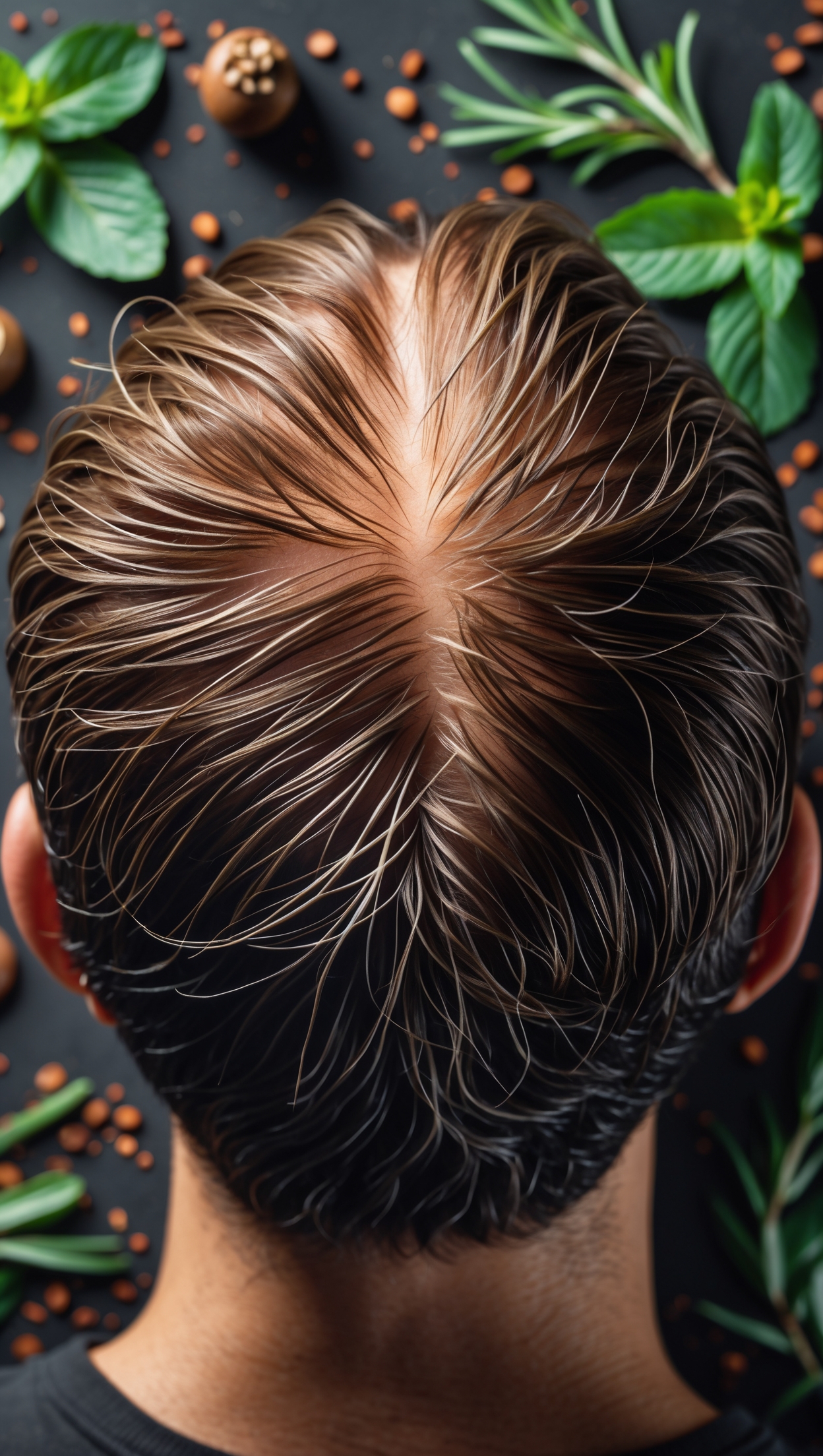
Male pattern baldness, also known as androgenetic alopecia, affects approximately 50% of men over the age of 50. This common condition is characterized by a receding hairline and thinning crown, eventually leading to partial or complete baldness. Understanding the underlying causes is crucial for effective prevention and treatment.
The primary culprit behind male pattern baldness is dihydrotestosterone (DHT), a hormone derived from testosterone. DHT binds to hair follicles, causing them to shrink and eventually stop producing hair. Genetics play a significant role, with the condition often inherited from either parent.
Early Signs and Prevention Strategies
Recognizing the early signs of male pattern baldness allows for more effective intervention. Look out for:
- Gradual thinning on top of the head
- Receding hairline forming an 'M' shape
- Increased hair shedding during washing or brushing
- Thinning hair that becomes more noticeable in bright light
Lifestyle Modifications for Prevention
While genetics cannot be changed, certain lifestyle factors can help slow the progression of male pattern baldness:
Nutrition and Diet: A balanced diet rich in proteins, vitamins, and minerals supports healthy hair growth. Focus on foods containing iron, zinc, biotin, and vitamins A, C, and D. Omega-3 fatty acids found in fish and nuts can also promote scalp health.
Stress Management: Chronic stress can accelerate hair loss by disrupting the hair growth cycle. Incorporate stress-reduction techniques such as meditation, regular exercise, and adequate sleep into your routine.
Gentle Hair Care: Avoid harsh styling products and treatments that can damage hair follicles. Use mild shampoos and conditioners, and minimize heat styling and tight hairstyles that can cause traction alopecia.
Professional Treatment Options
FDA-Approved Medications
Minoxidil (Rogaine): This topical treatment is available over-the-counter and can help slow hair loss and stimulate regrowth in some men. Applied directly to the scalp twice daily, minoxidil works by improving blood flow to hair follicles.
Finasteride (Propecia): This prescription oral medication blocks the production of DHT, effectively slowing hair loss in many men. Results typically become visible after 3-6 months of consistent use, but the medication must be continued to maintain benefits.
Advanced Treatment Procedures
Hair Transplantation: Modern hair transplant techniques, including Follicular Unit Extraction (FUE) and Follicular Unit Transplantation (FUT), offer permanent solutions for male pattern baldness. These procedures involve relocating healthy hair follicles from donor areas to balding regions.
Platelet-Rich Plasma (PRP) Therapy: This innovative treatment uses the patient's own blood platelets to stimulate hair growth. PRP is injected into the scalp to promote healing and encourage dormant follicles to produce new hair.
Natural Remedies and Supplements
Several natural approaches may complement traditional treatments:
Scalp Massage: Regular scalp massage can improve circulation and potentially stimulate hair growth. Use essential oils like rosemary or peppermint, which have shown promise in promoting hair health.
Saw Palmetto: This herbal supplement may help block DHT production naturally, though more research is needed to confirm its effectiveness.
Biotin and Collagen Supplements: These can support overall hair health and strength, particularly in cases where nutritional deficiencies contribute to hair loss.
Creating Your Hair Loss Prevention Plan
The most effective approach to managing male pattern baldness combines multiple strategies tailored to individual needs. Start with lifestyle modifications and gentle hair care practices, then consider professional treatments based on the severity of hair loss and personal preferences.
Consistency is key – most treatments require several months to show results, and stopping treatment often leads to the return of hair loss. Consult with a dermatologist or trichologist to develop a personalized treatment plan that addresses your specific concerns and goals.
Remember that male pattern baldness is a natural part of aging for many men, and embracing this change is also a valid choice. Whether you choose to treat hair loss or accept it, confidence and self-care remain the most important aspects of personal grooming and well-being.
Discover the beauty brands we use and recommend: BINU Beauty for premium skincare, Voghion for fashion & beauty finds, and MINOX for luxury high fashion (Moncler, Burberry & more). Some links are affiliate links.