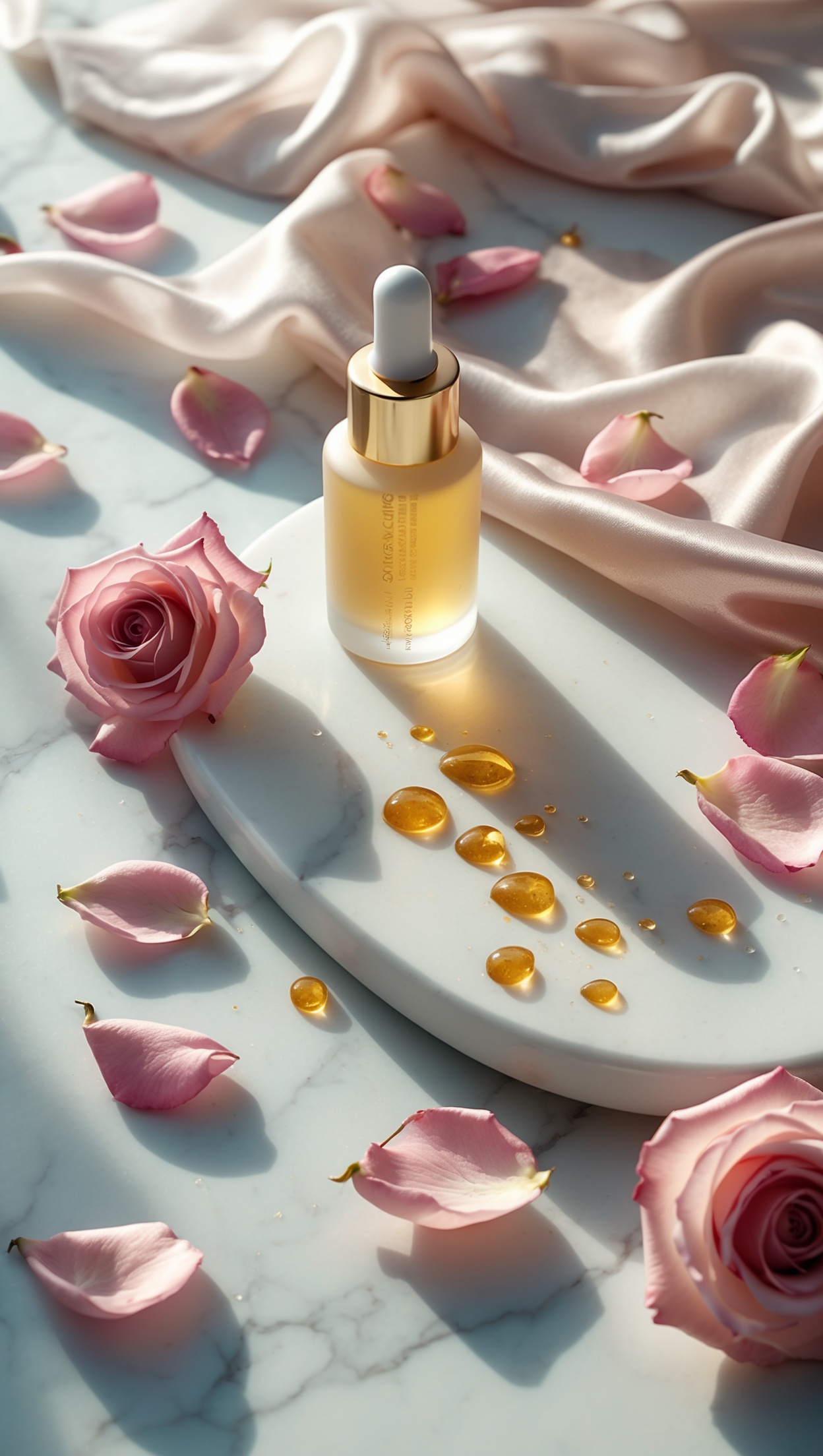
Luxury Skincare vs Drugstore – What Actually Works

Luxus-Hautpflege vs Drogerie – Was wirklich wirkt

Luxury Skincare vs Drugstore – What Actually Works

Image: AI-generated · Bild: KI-generiert

🇬🇧 English

This article contains affiliate links. If you buy through them, we may earn a commission at no extra cost to you.

Luxury Skincare vs Drugstore – What Actually Works

Standing in the skincare aisle — or scrolling through a luxury beauty site at midnight — you have probably asked yourself the same question: does the expensive stuff actually do more, or are you just paying for the packaging? The answer is more nuanced than a simple yes or no, and understanding it could save you real money while still getting genuinely effective results.

If you love experimenting with beauty tools and accessories alongside your skincare routine, you can find factory-direct prices via Voghion — including 30-day returns — so you can test without commitment.

The Truth About Skincare Ingredients

Here is the most important thing a dermatologist will tell you: skincare works through its active ingredients, not its price tag. Retinol, niacinamide, hyaluronic acid, vitamin C, AHAs, BHAs — these molecules behave the same whether they come in a sleek glass bottle from a Parisian brand or a plastic tube from your local pharmacy. What matters is:

  • Concentration: Is the active ingredient present in a clinically effective percentage?
  • Formulation stability: Is the ingredient stable in that formula so it remains active on your skin?
  • pH level: Especially critical for acids and vitamin C — the wrong pH renders them useless.
  • Delivery system: Can the molecule actually penetrate the skin barrier to do its job?

On all four counts, well-formulated drugstore products regularly match or even outperform luxury alternatives. The cosmetic chemist community has repeatedly highlighted affordable brands as leaders in ingredient science — because they focus the budget on the formula, not the fragrance or the frosted bottle.

Where Luxury Skincare Genuinely Has an Edge

That said, luxury is not always just marketing. There are real areas where premium products can justify their price:

1. Proprietary Technologies and Delivery Systems

Some luxury brands invest heavily in encapsulation technology — for example, encapsulated retinol that releases slowly to reduce irritation, or patented peptide complexes. These innovations are expensive to develop and are not easily replicated at lower price points.

2. Texture, Sensory Experience and Formulation Elegance

A product you love to use is a product you will actually use consistently. Consistency is the single biggest predictor of skincare results. If a silky, beautifully scented serum makes your routine feel like self-care rather than a chore, that has real value — as long as the fragrance load is not triggering sensitivity.

3. Clinical Backing and In-House Research

Established luxury dermatological brands often publish peer-reviewed studies on their actives. This is not universal, but it is more common at the premium end of the market.

Where Drugstore Products Win Every Time

For core, well-understood actives, drugstore formulas are almost always the smarter choice:

  • Hyaluronic acid serums: Hyaluronic acid is inexpensive to produce. A £10 serum and a £90 serum often use identical molecular weights.
  • SPF: Sun protection is regulated, and a drugstore SPF 50 protects your skin exactly as well as a luxury one. This is arguably the area where spending more makes the least sense.
  • Basic moisturisers: Ceramides, glycerin and shea butter are commodity ingredients. Affordable brands formulate with them expertly.
  • Niacinamide: One of the best-researched brightening and pore-refining ingredients, widely available in effective concentrations at low prices.

How to Build a Smart Routine That Combines Both

The most effective approach is not brand loyalty — it is ingredient literacy. Here is a practical framework:

  • Save on: SPF, basic moisturiser, gentle cleanser, hyaluronic acid, niacinamide.
  • Consider splurging on: A well-researched retinoid or retinol formula, a stabilised vitamin C serum, or a targeted treatment with patented technology.
  • Always check: The ingredient list (INCI), the active concentration if disclosed, and independent reviews — not just brand marketing.

Red Flags to Watch For

Whether you shop luxury or drugstore, avoid products that lead with fragrance high on the ingredient list, make vague claims like "rejuvenating" or "detoxifying" without specifying actives, or refuse to disclose concentrations when asked. Price is no protection against poor formulation.

The Packaging Question

A significant portion of a luxury product's cost goes into the jar, the box and the shopping bag. Beautiful packaging has value — it signals care, it gifts beautifully — but a jar of vitamin C is also a fast route to oxidation. Pump dispensers and opaque tubes protect actives far better, regardless of price. Drugstore brands, constrained by cost, often default to more functional packaging for exactly this reason.

Final Verdict

Luxury skincare is not a scam — and drugstore skincare is not inherently inferior. The sweet spot is a routine built around proven actives in stable formulations, regardless of where they come from. Read labels, research ingredients, and spend where the formula genuinely earns it. Your skin responds to chemistry, not price tags.

If you love upgrading your beauty routine with tools and accessories without overspending, you can find factory-direct prices via Voghion — including 30-day returns — to try what works for you risk-free.

🇩🇪 Deutsch

Dieser Artikel enthält Affiliate-Links (Werbung). Kaufst du darüber, erhalten wir ggf. eine Provision – für dich ohne Mehrkosten.

Luxus-Hautpflege vs Drogerie – Was wirklich wirkt

Ob du vor dem Regal in der Drogerie stehst oder nachts durch eine Luxus-Beauty-Website scrollst: Irgendwann stellt sich jede die gleiche Frage. Lohnt sich das teure Produkt wirklich, oder zahlt man vor allem für das schöne Glas? Die Antwort ist differenzierter, als ein einfaches Ja oder Nein vermuten lässt — und sie kann dir helfen, klüger einzukaufen, ohne auf Ergebnisse zu verzichten.

Wer neben der Pflegeroutine auch gerne Beauty-Tools und Zubehör ausprobiert, findet bei Voghion fabrikdirekte Preise — inklusive 30-Tage-Rückgaberecht — und kann neue Produkte risikofrei testen.

Die Wahrheit über Hautpflege-Inhaltsstoffe

Das Wichtigste zuerst: Hautpflege wirkt durch ihre Wirkstoffe — nicht durch ihren Preis. Retinol, Niacinamid, Hyaluronsäure, Vitamin C, AHA, BHA — diese Moleküle verhalten sich gleich, egal ob sie in einem eleganten Glasfläschchen einer Pariser Marke stecken oder in einer Plastiktube aus der Drogerie. Entscheidend sind:

  • Konzentration: Ist der Wirkstoff in einer klinisch wirksamen Menge enthalten?
  • Formulierungsstabilität: Bleibt der Wirkstoff in der Formel aktiv, bis er auf der Haut ankommt?
  • pH-Wert: Besonders relevant bei Säuren und Vitamin C — der falsche pH macht sie wirkungslos.
  • Liefersystem: Kann das Molekül überhaupt in die Haut eindringen?

In allen vier Punkten schneiden gut formulierte Drogerie-Produkte regelmäßig genauso gut ab wie teure Alternativen — manchmal sogar besser. Denn wer kein Budget für aufwendiges Packaging hat, steckt es in die Formel.

Wo Luxus-Hautpflege wirklich punktet

Das bedeutet nicht, dass Luxusmarken nur Marketing verkaufen. Es gibt Bereiche, in denen Premium-Produkte ihren Preis rechtfertigen können:

1. Proprietäre Technologien und Wirkstoff-Systeme

Einige Luxusmarken investieren erheblich in Verkapselungstechnologie — etwa in gekapseltes Retinol, das langsam freigesetzt wird und so Reizungen reduziert, oder in patentierte Peptid-Komplexe. Diese Innovationen sind kostenintensiv und lassen sich im unteren Preissegment kaum replizieren.

2. Textur, sensorisches Erlebnis und Formulierungsqualität

Ein Produkt, das du gerne benutzt, wirst du auch wirklich benutzen — und Konsequenz ist der wichtigste Faktor für sichtbare Ergebnisse. Wenn ein seidiges Serum deine Abendroutine in ein kleines Ritual verwandelt, hat das echten Wert. Vorausgesetzt, die Duftstoffe sind nicht zu hoch dosiert und lösen keine Reaktionen aus.

3. Klinische Studien und Eigenforschung

Etablierte dermatologische Luxusmarken veröffentlichen häufiger Studien zu ihren Wirkstoffen. Das ist kein Standard, aber im Premium-Segment deutlich verbreiteter.

Wo Drogerie-Produkte klar gewinnen

Bei bewährten, gut erforschten Wirkstoffen ist die Drogerie fast immer die klügere Wahl:

  • Hyaluronsäure-Seren: Hyaluronsäure ist günstig herzustellen. Ein 10-Euro-Serum und ein 90-Euro-Serum verwenden oft identische Molekulargewichte.
  • Sonnenschutz: LSF ist reguliert. Ein Drogerie-LSF-50 schützt genauso effektiv wie ein Luxusprodukt — hier macht teurer Einkauf am wenigsten Sinn.
  • Basisfeuchtigkeitspflege: Ceramide, Glycerin und Sheabutter sind Rohstoffe, die günstige Marken exzellent formulieren.
  • Niacinamid: Einer der besten erforschten Wirkstoffe gegen Poren und ungleichmäßigen Teint — und in wirksamer Konzentration günstig erhältlich.

So baust du eine clevere Routine auf

Der klügste Ansatz ist keine Markentreue, sondern Wirkstoffwissen. Ein praktischer Rahmen:

  • Hier sparen: Sonnenschutz, Basisfeuchtigkeitspflege, sanfter Reiniger, Hyaluronsäure, Niacinamid.
  • Hier lohnt Investieren: Ein gut erforschtes Retinoid oder Retinol-Produkt, ein stabiles Vitamin-C-Serum oder ein gezieltes Treatment mit patentierter Technologie.
  • Immer prüfen: Die INCI-Liste, die angegebene Konzentration und unabhängige Rezensionen — nicht nur das Markenversprechen.

Warnzeichen, auf die du achten solltest

Egal ob Luxus oder Drogerie: Finger weg von Produkten, bei denen Duftstoffe weit oben in der Zutatenliste stehen, die mit vagen Begriffen wie "revitalisierend" werben ohne konkrete Wirkstoffe zu nennen, oder die keine Konzentrationsangaben machen. Hoher Preis schützt nicht vor schlechter Formulierung.

Die Verpackungsfrage

Ein großer Teil des Luxuspreises steckt im Glastiegel, der Box und dem Einkaufsbeutel. Schöne Verpackung hat ihren Wert — sie macht Freude und eignet sich wunderbar als Geschenk. Aber ein offenes Glas ist für Vitamin C der schnellste Weg zur Oxidation. Pumpenspender und lichtundurchlässige Tuben schützen Wirkstoffe deutlich besser — und Drogerieprodukte landen aus Kostengründen häufig genau bei dieser funktionaleren Lösung.

Fazit

Luxus-Hautpflege ist kein Betrug — und Drogerieprodukte sind nicht grundsätzlich schlechter. Der ideale Ansatz ist eine Routine, die auf bewährten Wirkstoffen in stabilen Formulierungen basiert, unabhängig vom Preis. Lies die Etiketten, recherchiere Inhaltsstoffe, und gib dort mehr aus, wo die Formel es wirklich rechtfertigt. Deine Haut reagiert auf Chemie — nicht auf Preisschilder.

Wenn du deine Beauty-Routine mit Tools und Zubehör aufwerten möchtest, ohne zu viel auszugeben, kannst du über Voghion fabrikdirekte Preise entdecken — inklusive 30-Tage-Rückgaberecht — und neue Produkte risikofrei ausprobieren.