Hyaluronic Acid: The Ultimate Hydration Game Changer

Hyaluronsäure: Der ultimative Hydratations-Guide

Hyaluronic Acid: The Ultimate Hydration Game Changer

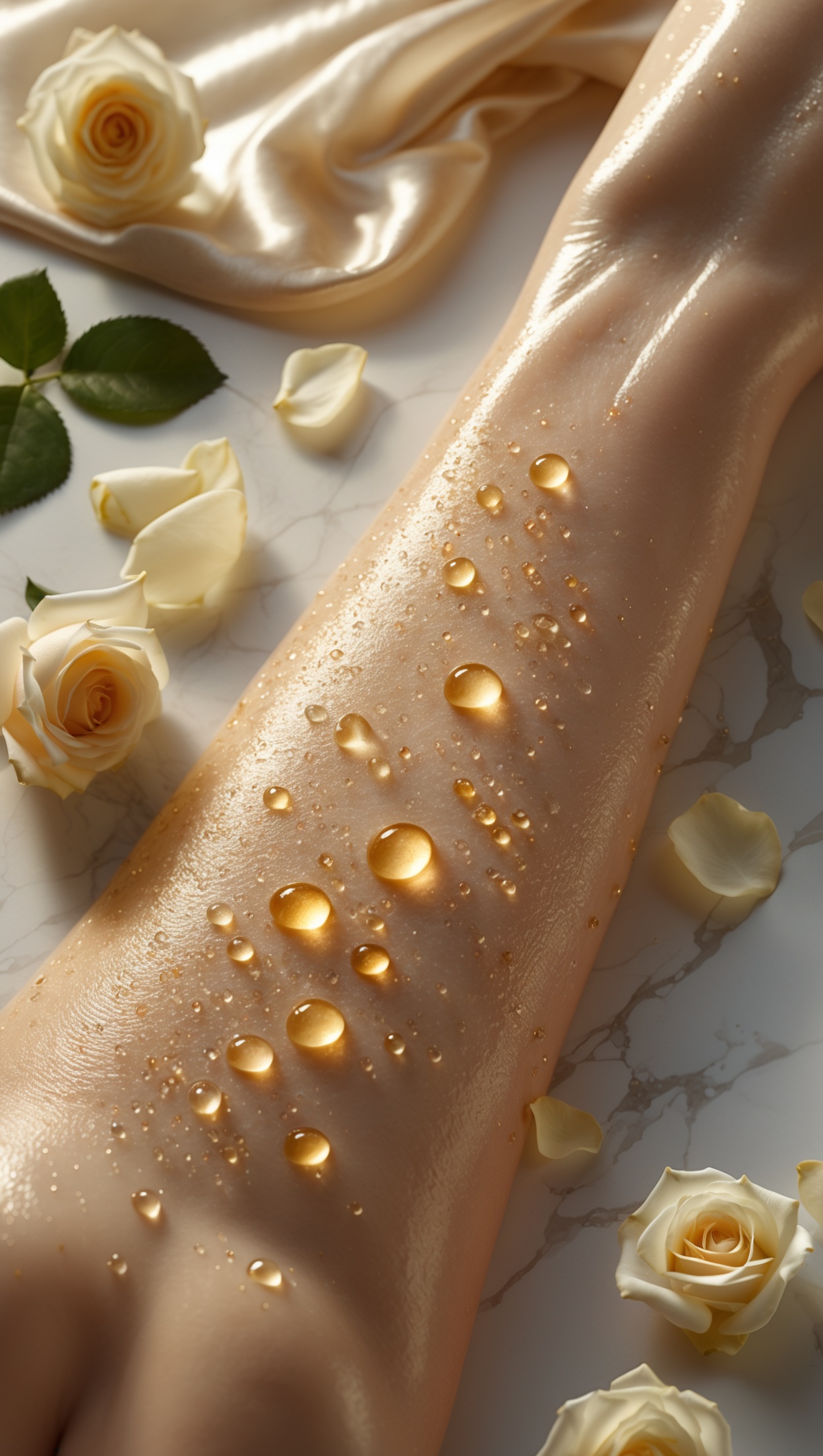
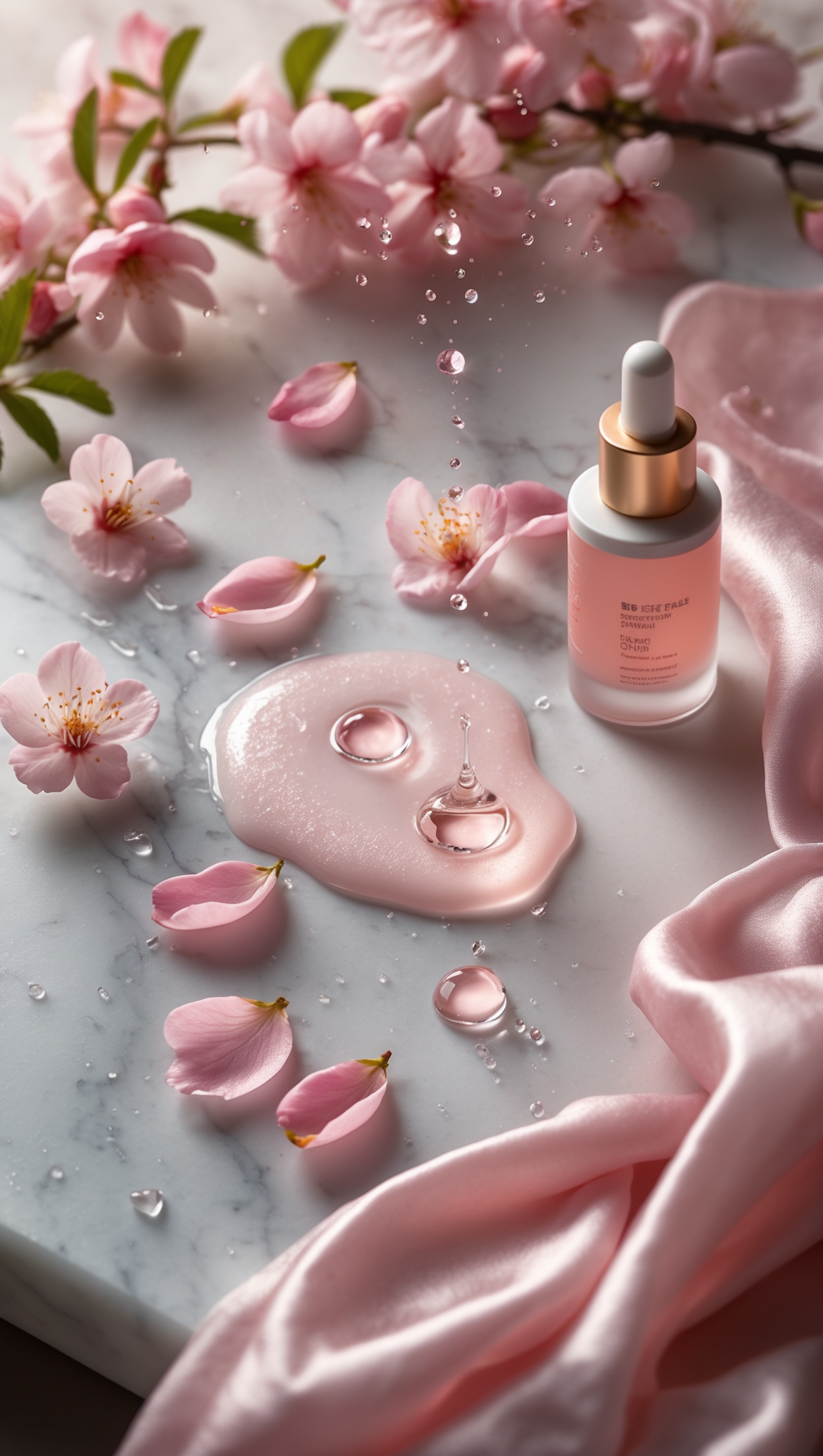
Image: AI-generated · Bild: KI-generiert

🇬🇧 English

This article contains affiliate links. If you buy through them, we may earn a commission at no extra cost to you.

What Is Hyaluronic Acid and Why Your Skin Loves It

Hyaluronic acid has become the ultimate hydration hero in skincare, and for good reason. This naturally occurring substance can hold up to 1,000 times its weight in water, making it one of the most effective moisture-binding ingredients available. Despite its name containing "acid," it's actually a gentle, sugar-derived molecule that works harmoniously with all skin types.

Your skin naturally produces hyaluronic acid, but production decreases significantly as we age. By our 40s, we've lost about half of our natural hyaluronic acid stores, leading to visible signs of dehydration, fine lines, and loss of plumpness. This is where topical hyaluronic acid steps in to restore that coveted dewy, youthful glow.

The Science Behind Different Molecular Weights

Not all hyaluronic acid is created equal. Understanding molecular weight is crucial for choosing the right product:

  • High molecular weight (1,500-1,800 kDa): Forms a protective film on skin surface, providing immediate hydration and temporary plumping
  • Medium molecular weight (300-1,000 kDa): Penetrates deeper into the epidermis for longer-lasting moisture
  • Low molecular weight (50-300 kDa): Reaches deeper skin layers but may cause irritation in sensitive individuals

The most effective serums combine multiple molecular weights, creating a multi-layered hydration system that works both immediately and over time.

How to Choose the Right Hyaluronic Acid Product

When shopping for hyaluronic acid, look for these key factors:

  • Concentration: Effective products typically contain 1-2% hyaluronic acid
  • Additional ingredients: Seek formulas with vitamin B5, glycerin, or ceramides for enhanced hydration
  • pH level: Optimal pH should be between 5.5-7 for maximum stability and efficacy
  • Packaging: Choose dark glass bottles or airless pumps to protect ingredient integrity

The Perfect Application Technique

Proper application is essential for maximizing hyaluronic acid benefits. Follow this step-by-step routine:

  • Start with damp skin: Apply to slightly moist skin or layer over a hydrating toner
  • Use the right amount: 3-5 drops are sufficient for face and neck
  • Gentle patting motion: Press gently into skin rather than rubbing
  • Seal with moisturizer: Always follow with a cream or oil to lock in hydration

Timing matters too. Apply hyaluronic acid serum during high humidity or immediately after showering when ambient moisture is available for the molecule to grab and hold.

Common Mistakes to Avoid

Even this gentle ingredient can backfire if used incorrectly:

  • Applying to completely dry skin: This can actually draw moisture OUT of your skin
  • Skipping moisturizer: Hyaluronic acid needs to be sealed in with occlusive ingredients
  • Using in very dry climates: Without ambient humidity, it may cause dehydration
  • Overuse: More isn't always better – stick to once or twice daily

Layering Hyaluronic Acid with Other Ingredients

Hyaluronic acid plays well with almost every skincare ingredient, making it perfect for customized routines:

  • With vitamin C: Apply vitamin C first, then hyaluronic acid to boost antioxidant absorption
  • With retinol: Use hyaluronic acid to buffer retinol's potentially drying effects
  • With niacinamide: This combination enhances barrier function and reduces inflammation
  • With AHAs/BHAs: Hyaluronic acid helps counteract exfoliant-induced dryness

The key is applying products from thinnest to thickest consistency, ensuring each layer absorbs before adding the next.

When to Expect Results

Hyaluronic acid delivers both immediate and long-term benefits. You'll notice instant plumping and smoothness within minutes of application. For lasting improvements in skin texture, fine lines, and overall hydration levels, consistent use for 4-6 weeks is recommended.

Remember that skincare is personal, and what works for others might need adjustment for your unique skin needs. Start slowly, observe how your skin responds, and adjust frequency and application methods accordingly for optimal results.

Discover the beauty brands we use and recommend: BINU Beauty for premium skincare, Voghion for fashion & beauty finds, and MINOX for luxury high fashion (Moncler, Burberry & more). Some links are affiliate links.

🇩🇪 Deutsch

Dieser Artikel enthält Affiliate-Links (Werbung). Kaufst du darüber, erhalten wir ggf. eine Provision – für dich ohne Mehrkosten.

Was ist Hyaluronsäure und warum liebt sie deine Haut

Hyaluronsäure ist zum ultimativen Feuchtigkeits-Hero in der Hautpflege geworden – und das aus gutem Grund. Diese natürlich vorkommende Substanz kann bis zu 1.000 Mal ihr eigenes Gewicht an Wasser binden und ist damit einer der effektivsten feuchtigkeitsbindenden Inhaltsstoffe überhaupt. Trotz des Namens mit "Säure" ist es tatsächlich ein sanftes, aus Zucker gewonnenes Molekül, das harmonisch mit allen Hauttypen funktioniert.

Deine Haut produziert natürlich Hyaluronsäure, aber die Produktion nimmt mit dem Alter erheblich ab. Mit 40 haben wir etwa die Hälfte unserer natürlichen Hyaluronsäure-Reserven verloren, was zu sichtbaren Zeichen von Dehydration, feinen Linien und Verlust der Prallheit führt. Hier kommt topische Hyaluronsäure ins Spiel, um den begehrten taufrischen, jugendlichen Glow wiederherzustellen.

Die Wissenschaft hinter verschiedenen Molekulargewichten

Nicht alle Hyaluronsäure ist gleich. Das Verständnis des Molekulargewichts ist entscheidend für die Wahl des richtigen Produkts:

  • Hohes Molekulargewicht (1.500-1.800 kDa): Bildet einen Schutzfilm auf der Hautoberfläche, sorgt für sofortige Hydratation und temporäre Aufpolsterung
  • Mittleres Molekulargewicht (300-1.000 kDa): Dringt tiefer in die Epidermis ein für länger anhaltende Feuchtigkeit
  • Niedriges Molekulargewicht (50-300 kDa): Erreicht tiefere Hautschichten, kann aber bei empfindlichen Personen Reizungen verursachen

Die effektivsten Seren kombinieren mehrere Molekulargewichte und schaffen ein mehrschichtiges Hydratationssystem, das sowohl sofort als auch langfristig wirkt.

Wie du das richtige Hyaluronsäure-Produkt wählst

Beim Kauf von Hyaluronsäure solltest du auf diese Schlüsselfaktoren achten:

  • Konzentration: Effektive Produkte enthalten typischerweise 1-2% Hyaluronsäure
  • Zusätzliche Inhaltsstoffe: Suche nach Formeln mit Vitamin B5, Glycerin oder Ceramiden für verstärkte Hydratation
  • pH-Wert: Optimaler pH sollte zwischen 5,5-7 liegen für maximale Stabilität und Wirksamkeit
  • Verpackung: Wähle dunkle Glasflaschen oder luftdichte Pumpen zum Schutz der Inhaltsstoff-Integrität

Die perfekte Anwendungstechnik

Die richtige Anwendung ist essentiell, um die Vorteile der Hyaluronsäure zu maximieren. Folge dieser Schritt-für-Schritt-Routine:

  • Beginne mit feuchter Haut: Trage auf leicht feuchte Haut auf oder schichte über einem hydratisierenden Toner
  • Verwende die richtige Menge: 3-5 Tropfen sind für Gesicht und Hals ausreichend
  • Sanfte Klopfbewegung: Drücke sanft in die Haut ein, anstatt zu reiben
  • Versiegle mit Feuchtigkeitscreme: Folge immer mit einer Creme oder einem Öl, um die Hydratation einzuschließen

Das Timing ist ebenfalls wichtig. Trage Hyaluronsäure-Serum bei hoher Luftfeuchtigkeit oder unmittelbar nach dem Duschen auf, wenn Umgebungsfeuchtigkeit verfügbar ist, die das Molekül greifen und halten kann.

Häufige Fehler, die du vermeiden solltest

Selbst dieser sanfte Inhaltsstoff kann nach hinten losgehen, wenn er falsch verwendet wird:

  • Auftragen auf komplett trockene Haut: Das kann tatsächlich Feuchtigkeit AUS deiner Haut ziehen
  • Feuchtigkeitscreme auslassen: Hyaluronsäure muss mit okklusiven Inhaltsstoffen versiegelt werden
  • Verwendung in sehr trockenen Klimazonen: Ohne Umgebungsfeuchtigkeit kann es Dehydration verursachen
  • Überbeanspruchung: Mehr ist nicht immer besser – halte dich an ein- bis zweimal täglich

Hyaluronsäure mit anderen Inhaltsstoffen schichten

Hyaluronsäure verträgt sich mit fast jedem Hautpflege-Inhaltsstoff und macht sie perfekt für individualisierte Routinen:

  • Mit Vitamin C: Trage Vitamin C zuerst auf, dann Hyaluronsäure, um die Antioxidantien-Absorption zu steigern
  • Mit Retinol: Verwende Hyaluronsäure, um Retinols potentiell austrocknende Effekte abzupuffern
  • Mit Niacinamid: Diese Kombination verstärkt die Barrierefunktion und reduziert Entzündungen
  • Mit AHAs/BHAs: Hyaluronsäure hilft dabei, exfoliant-induzierte Trockenheit zu bekämpfen

Der Schlüssel liegt darin, Produkte von der dünnsten zur dicksten Konsistenz aufzutragen und sicherzustellen, dass jede Schicht absorbiert wird, bevor die nächste hinzugefügt wird.

Wann du Ergebnisse erwarten kannst

Hyaluronsäure liefert sowohl sofortige als auch langfristige Vorteile. Du wirst sofortiges Aufpolstern und Glätte innerhalb von Minuten nach der Anwendung bemerken. Für dauerhafte Verbesserungen der Hauttextur, feinen Linien und allgemeinen Hydratationslevels wird eine konsequente Anwendung für 4-6 Wochen empfohlen.

Denke daran, dass Hautpflege persönlich ist und was für andere funktioniert, möglicherweise für deine einzigartigen Hautbedürfnisse angepasst werden muss. Beginne langsam, beobachte, wie deine Haut reagiert, und passe Häufigkeit und Anwendungsmethoden entsprechend für optimale Ergebnisse an.

Entdecke die Beauty-Brands, die wir selbst nutzen und empfehlen: BINU Beauty für Premium-Hautpflege, Voghion für Fashion & Beauty, und MINOX für Luxus-High-Fashion (Moncler, Burberry & mehr). Einige Links sind Affiliate-Links.