This article contains affiliate links. If you buy through them, we may earn a commission at no extra cost to you.
How to Treat Acne Scars Naturally at Home
Acne scars can be one of the most frustrating reminders of breakouts — long after the pimples are gone, the marks they leave behind can affect your confidence and your skin's overall appearance. The good news? You don't always need expensive treatments or harsh chemicals to fade them. With the right natural ingredients and a consistent routine, you can visibly reduce acne scars from the comfort of your own home.
Understanding Acne Scars
Before jumping into remedies, it helps to understand what you're dealing with. Not all marks left by acne are true scars. There are two main types:
- Post-inflammatory hyperpigmentation (PIH): These are flat, dark or red spots that appear after a breakout heals. They are not true scars — they're discolouration caused by excess melanin production.
- Atrophic scars: These are actual indentations in the skin, such as icepick, boxcar, or rolling scars, caused by collagen loss during the healing process.
Natural remedies work best on PIH and mild surface scarring. Deeper atrophic scars may require professional dermatological treatments, but natural care can still support the healing process.
Top Natural Remedies for Acne Scars
1. Aloe Vera Gel
Aloe vera is a powerhouse when it comes to skin healing. It contains aloin, a natural compound known to reduce hyperpigmentation, and its anti-inflammatory properties help calm redness. Apply fresh aloe vera gel directly to the scarred area, leave it on for 30 minutes, then rinse. Use this daily for best results.
2. Rosehip Seed Oil
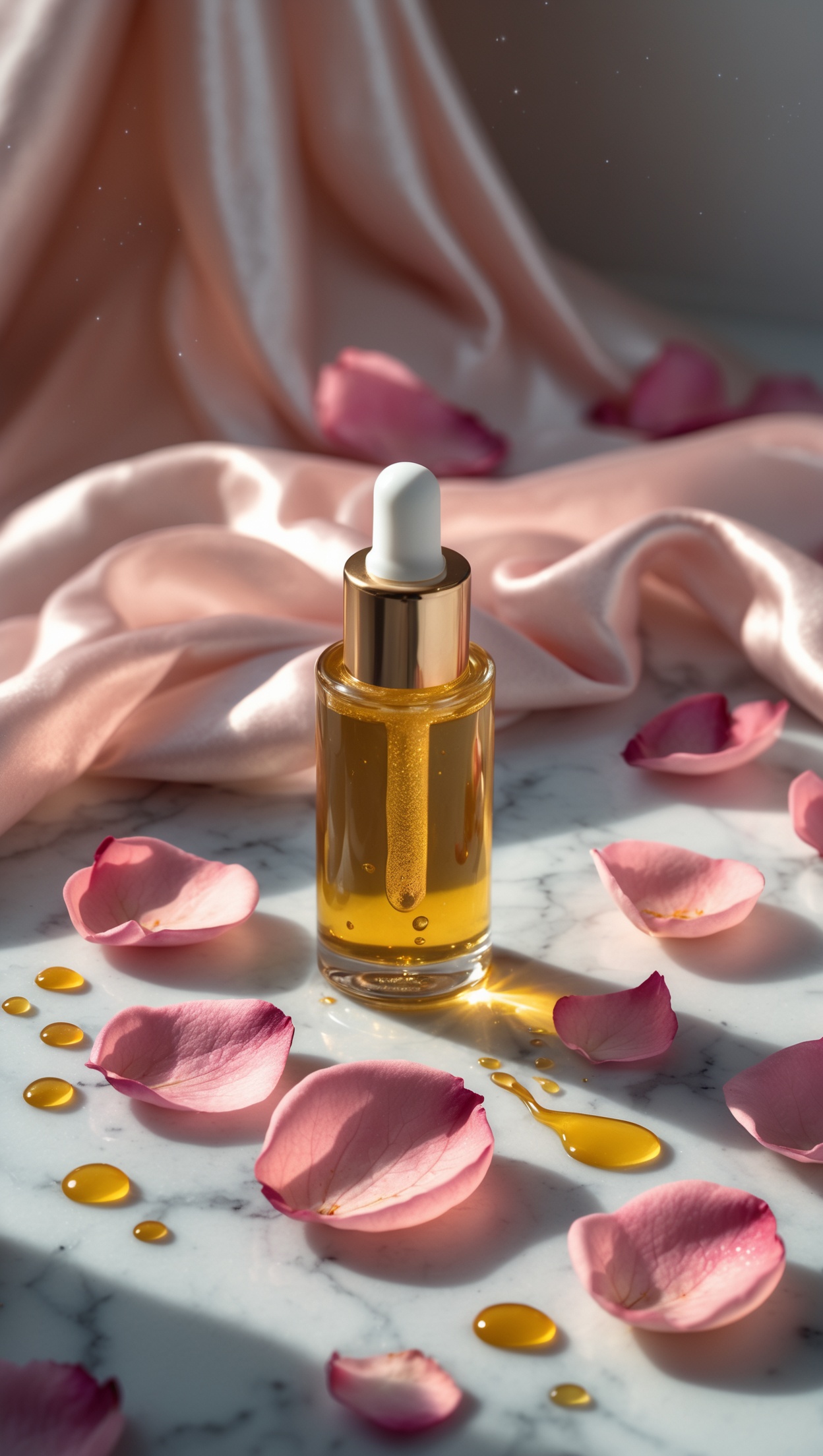
Rosehip oil is rich in vitamin A and essential fatty acids that support skin cell regeneration and collagen production. It's one of the most celebrated natural oils for fading scars and improving skin texture. Massage a few drops into clean skin each evening before bed. Consistent use over 4–6 weeks can yield noticeable results.
3. Raw Honey
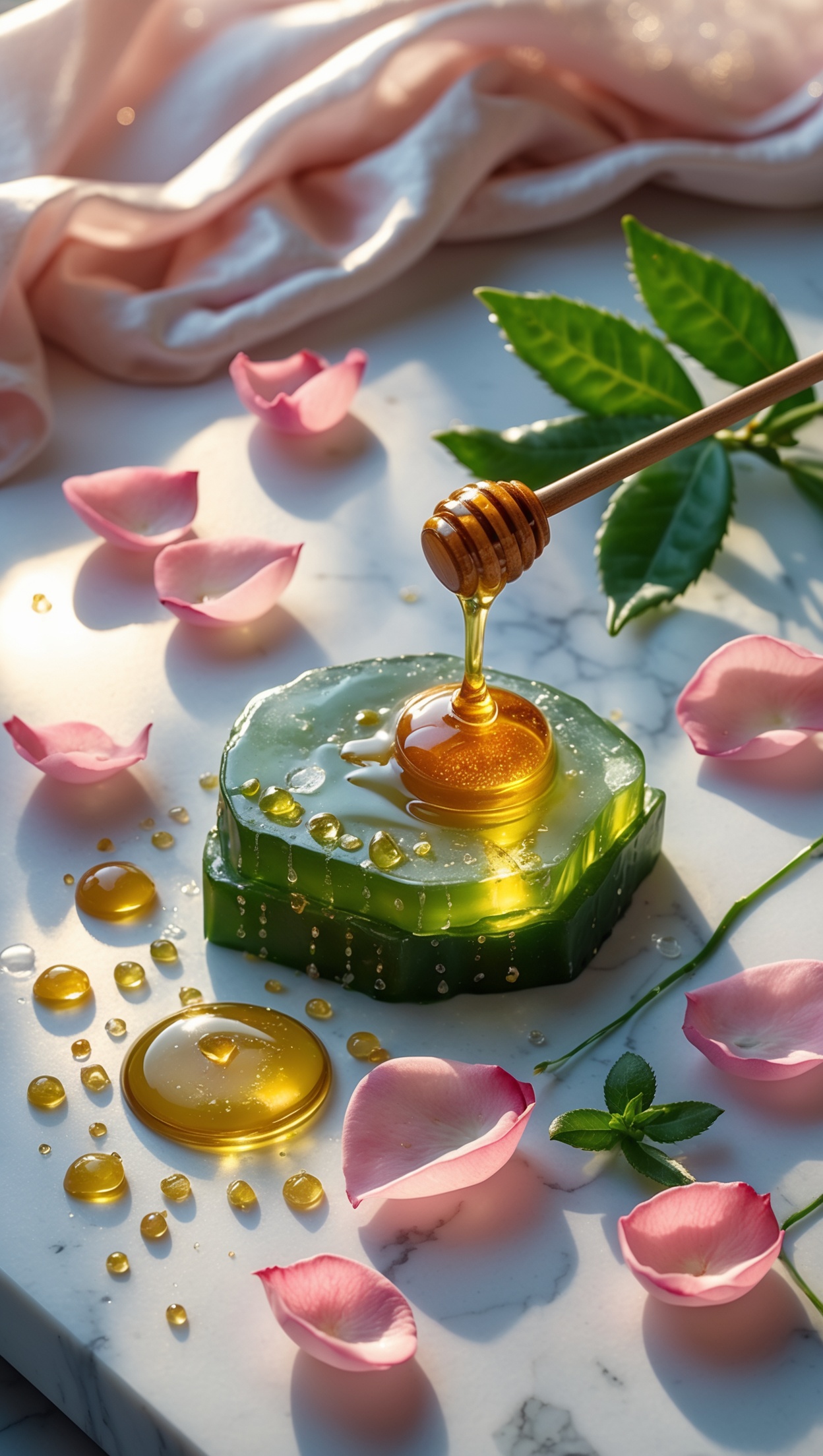
Raw honey — especially Manuka honey — is a natural humectant and antimicrobial agent. It keeps skin moisturised while helping to regenerate damaged tissue. Apply a thin layer of raw honey to the affected areas, leave for 20 minutes, and rinse with warm water. It's gentle enough for daily use.
4. Lemon Juice (With Caution)
Lemon juice contains citric acid, a natural alpha hydroxy acid (AHA) that can brighten dark spots and gently exfoliate the skin's surface. However, it must be used with great caution — it can be irritating, especially on sensitive skin, and it makes your skin more sensitive to the sun. Always dilute lemon juice with equal parts water and apply only to dark spots. Rinse after 10 minutes and always follow with SPF.
5. Green Tea Extract
Green tea is packed with antioxidants and EGCG (epigallocatechin gallate), which help reduce inflammation and inhibit excess melanin production. Brew a strong cup of green tea, let it cool, then apply it to your skin using a cotton pad. You can also leave cooled green tea bags on scarred areas for a soothing treatment.
6. Turmeric Mask
Turmeric contains curcumin, a potent anti-inflammatory and antioxidant compound that has been shown to inhibit melanin production. Mix a small amount of turmeric powder with honey or yoghurt to form a paste. Apply to scars, leave for 15–20 minutes, and rinse thoroughly. Note: turmeric can stain the skin yellow temporarily — always test on a small area first.
7. Apple Cider Vinegar
Apple cider vinegar acts as a natural chemical exfoliant due to its acetic acid content. It can help fade hyperpigmentation and smooth skin texture. Always dilute it significantly (1 part ACV to 3 parts water) before applying to the skin, and never use it on open wounds or very sensitive skin.
Building a Natural Scar-Fading Routine
Consistency is the key to seeing results with natural remedies. Here's a simple routine you can follow:
- Morning: Cleanse gently, apply green tea toner, moisturise, and always apply broad-spectrum SPF 30+.
- Evening: Double cleanse, apply your treatment (rosehip oil, honey mask, or turmeric mask), then moisturise.
- Weekly: Use a gentle natural exfoliant (like diluted lemon juice or an oat scrub) 1–2 times per week to encourage cell turnover.
Important Tips to Remember
- Never pick or squeeze active breakouts — this is the number one cause of deeper scarring.
- Sun protection is non-negotiable. UV exposure darkens existing scars and slows healing. Wear SPF daily, rain or shine.
- Patch test every new ingredient on your inner arm before applying to your face.
- Be patient. Natural remedies work gradually — expect to see visible improvements after 4–8 weeks of consistent use.
- Stay hydrated and eat a skin-friendly diet rich in antioxidants, vitamins C and E, and zinc to support skin repair from within.
When to See a Dermatologist
If your acne scars are deep, widespread, or significantly affecting your self-esteem, it's worth consulting a dermatologist. Professional options such as chemical peels, microneedling, or laser therapy can provide more dramatic results for severe scarring. Natural remedies are a wonderful complement to these treatments and can help maintain results long-term.
Final Thoughts
Fading acne scars naturally is absolutely possible with the right approach. The journey requires patience, consistency, and a little self-care — but the results are worth it. Focus on nourishing your skin from the outside with healing botanicals and from the inside with a healthy lifestyle. Your clearest, most radiant skin is well within reach.
Explore more natural skincare tips and product recommendations at eclat-beauty.eu — your trusted source for radiant, healthy skin.
Discover the beauty brands we use and recommend: BINU Beauty for premium skincare, Voghion for fashion & beauty finds, and MINOX for luxury high fashion (Moncler, Burberry & more). Some links are affiliate links.