This article contains affiliate links. If you buy through them, we may earn a commission at no extra cost to you.
Why Skincare Order Actually Matters
You might have a shelf full of incredible products, but if you're applying them in the wrong order, you're leaving serious results on the table. The sequence in which you layer skincare products determines how well each formula is absorbed — and how effectively it can do its job. Get the order right, and your skin will thank you with a visible, lasting glow.
The Golden Rule: Thinnest to Thickest
The most reliable rule in skincare layering is simple: apply products from the thinnest consistency to the thickest. Lightweight, water-based formulas absorb quickly and need direct contact with the skin. Heavier creams and oils create a seal over the top, locking in everything beneath them. Skip this rule, and you risk blocking active ingredients from penetrating the skin at all.
Step-by-Step: The Correct Skincare Layering Order
Step 1: Cleanser
Every routine — morning or evening — starts with a clean canvas. Use a gentle, pH-balanced cleanser to remove dirt, oil, and any residue. This prepares the skin to absorb what comes next. Double cleansing in the evening (an oil-based cleanser followed by a water-based one) ensures thorough removal of sunscreen and makeup.
Step 2: Toner
Toners have evolved far beyond their astringent reputation. Modern toners hydrate, balance the skin's pH, and prep it to receive serums more effectively. Apply with clean hands or a cotton pad and allow it to absorb fully before moving on.
Step 3: Essence (Optional)
An essence sits between toner and serum — it's a lightweight, hydrating layer that boosts cell renewal and skin radiance. If you use one, apply it directly after toning by pressing it gently into the skin with your palms.
Step 4: Serums & Treatments
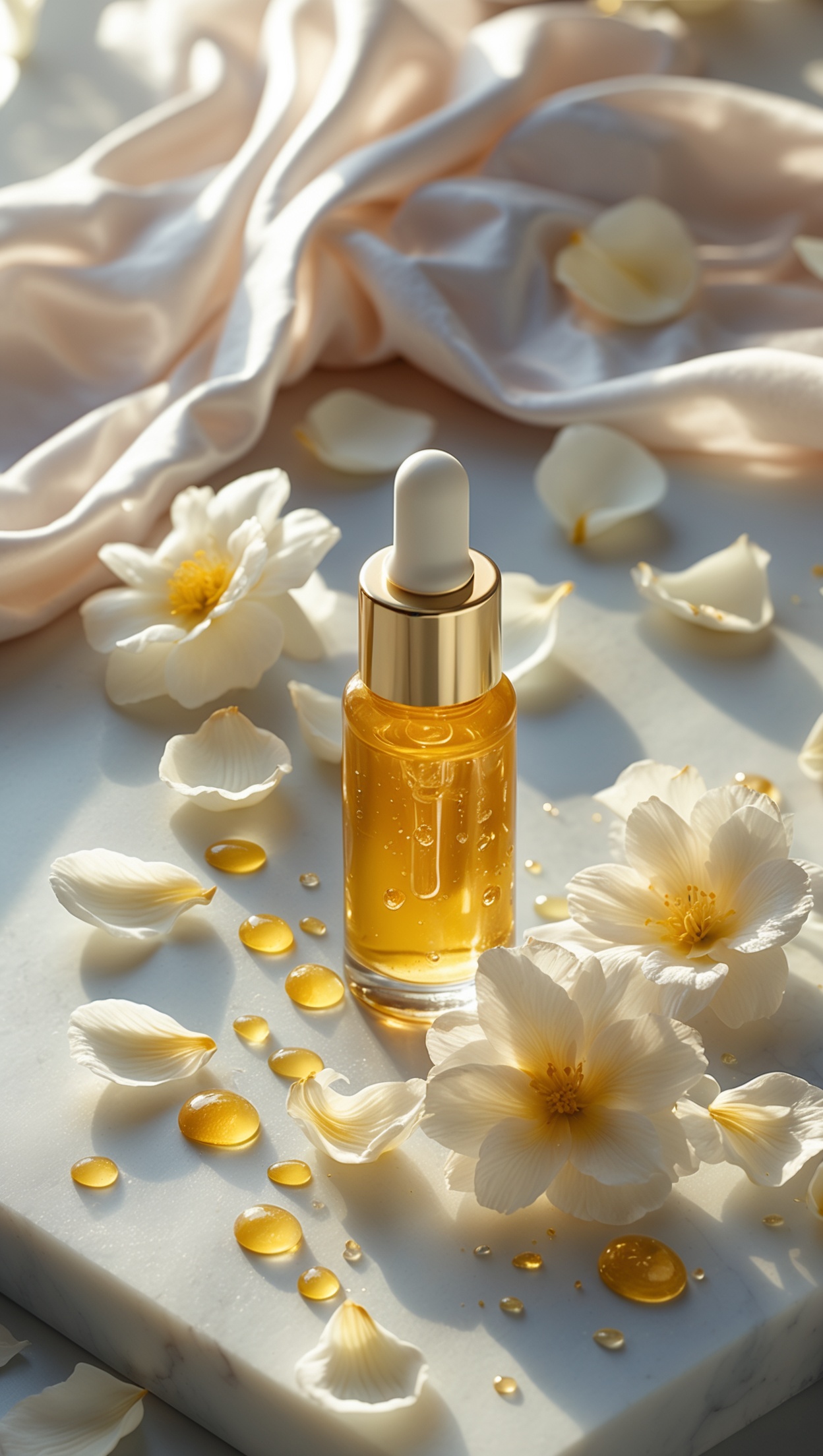
This is where the real magic happens. Serums are concentrated formulas packed with active ingredients — vitamin C, hyaluronic acid, retinol, niacinamide — designed to target specific skin concerns. If you're using multiple serums, apply the most active or treatment-based one first, followed by more hydrating options.
One brand we love for potent, skin-loving serums is Binu Beauty. Their serums are thoughtfully formulated to deliver visible results without irritating sensitive skin. If you're looking to elevate your treatment step, explore what binu_beauty has to offer — your skin will feel the difference from the very first week.
Step 5: Eye Cream
The skin around the eyes is the thinnest and most delicate on the face. Eye creams are specifically formulated for this zone — they address puffiness, dark circles, and fine lines without overwhelming such sensitive skin. Apply with your ring finger using a gentle tapping motion, never rubbing.
Step 6: Moisturiser
A good moisturiser seals in all the layers beneath it while providing its own hydration benefits. Choose a formula suited to your skin type — gel textures for oily or combination skin, richer creams for dry or mature skin. Apply while your skin is still slightly damp from previous steps to lock in maximum moisture.
Step 7: Face Oil (Optional)
Face oils go on after moisturiser, not before. Because oil and water don't mix, applying oil before a water-based moisturiser creates a barrier that prevents absorption. Used correctly, a face oil adds a gorgeous finishing glow and provides additional nourishment.
Step 8: SPF (Morning Only)
Sunscreen is non-negotiable. It is, without question, the most powerful anti-ageing product you can use. Apply it as the final step every single morning, even on cloudy days or when working indoors. Choose at least SPF 30, and don't forget the neck and hands.
Common Layering Mistakes to Avoid
- Using retinol and vitamin C together — both are potent actives. Use vitamin C in the morning and retinol in the evening to avoid irritation.
- Applying too many products at once — more is not always more. A streamlined routine of 4–5 effective products often outperforms a 10-step one used incorrectly.
- Not waiting between layers — give each product 30–60 seconds to absorb before applying the next. This prevents pilling and ensures proper penetration.
- Skipping SPF — all your hard work with actives and serums is undone without daily sun protection.
Morning vs Evening Routine: What Changes?
Your morning routine should focus on protection — antioxidants like vitamin C fend off free radical damage, while SPF shields against UV rays. Your evening routine is all about repair and renewal — this is the time for retinol, richer moisturisers, and restorative treatments.
A Simple Starter Routine
- AM: Cleanser → Toner → Vitamin C Serum → Moisturiser → SPF
- PM: Oil Cleanser → Gel Cleanser → Toner → Retinol or Treatment Serum → Moisturiser → Face Oil
If you're building your routine from scratch or looking to upgrade your serum game, binu_beauty offers a curated range that fits beautifully into both morning and evening sequences. Clean ingredients, visible results — that's the Binu Beauty binu_beauty promise.
Final Thoughts
Layering skincare correctly doesn't need to be complicated. Once you understand the logic — thinnest to thickest, protection in the morning, repair in the evening — it becomes second nature. Invest in a few high-quality, targeted products, apply them in the right order, and give your routine time to work. Consistency is the real secret ingredient.
Discover the beauty brands we use and recommend: BINU Beauty for premium skincare, Voghion for fashion & beauty finds, and MINOX for luxury high fashion (Moncler, Burberry & more). Some links are affiliate links.