When Acne Clears But Scars Stay Behind

Wenn Akne weg ist, Narben bleiben

When Acne Clears But Scars Stay Behind

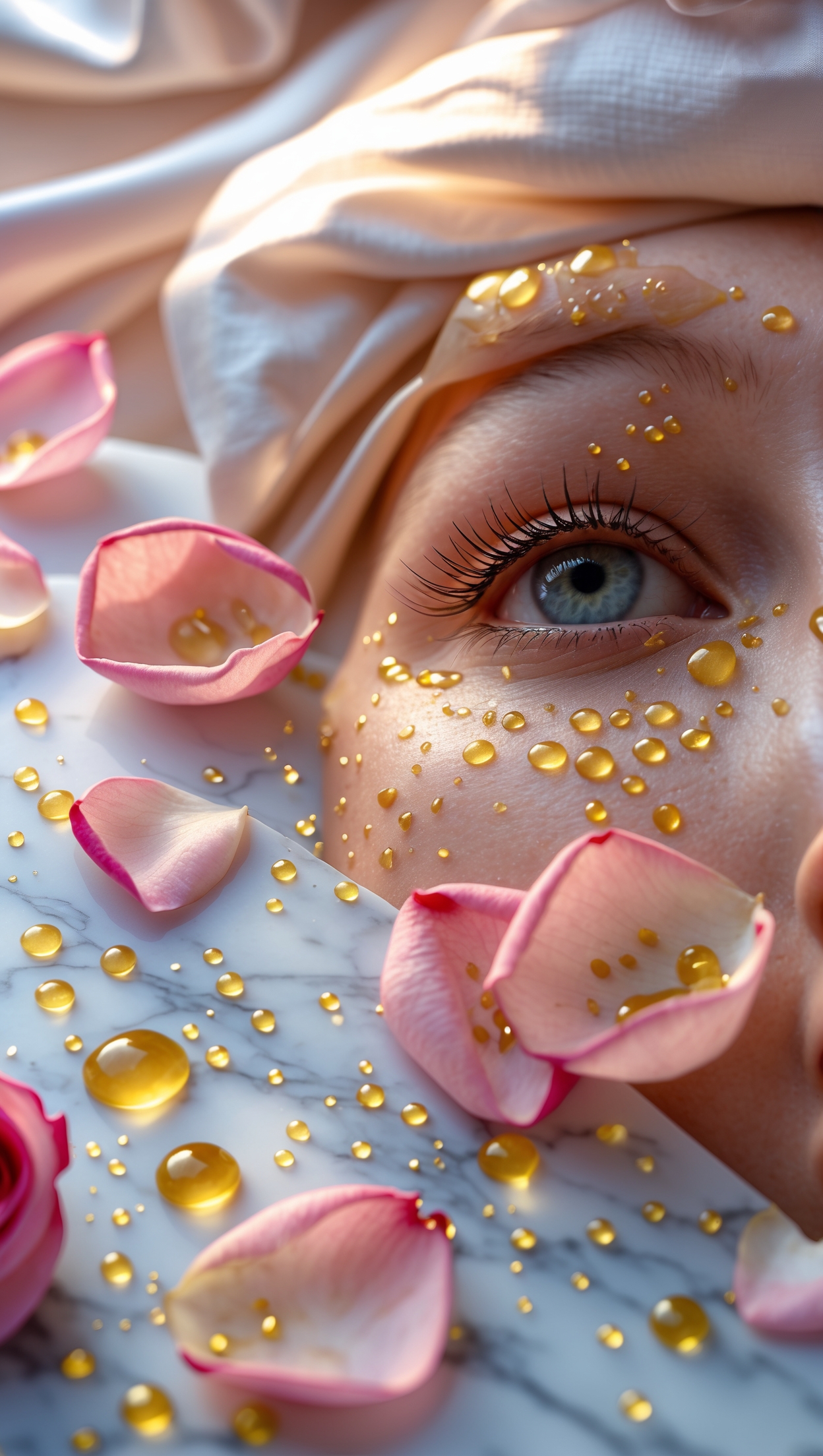
Image: AI-generated · Bild: KI-generiert

🇬🇧 English

This article contains affiliate links. If you buy through them, we may earn a commission at no extra cost to you.

How to Get Rid of Acne Scars: Your Complete Guide to Clearer Skin

You finally got your breakouts under control — only to be left staring at a map of red marks, dark spots and textured patches where your acne used to be. Sound familiar? You are definitely not alone. Acne scars are one of the most common and frustrating skin concerns, but the good news is: they are absolutely treatable. With the right routine, the right ingredients and a little patience, you can significantly fade even stubborn acne scars.

Understanding Acne Scars: Not All Marks Are the Same

Before diving into treatments, it helps to understand what you are actually dealing with. Not every mark left behind by a pimple is technically a scar — and the type of discolouration or damage determines the best approach.

Types of Acne Marks and Scars

  • Post-inflammatory hyperpigmentation (PIH): Flat, dark or red spots left after a pimple heals. These are not true scars — they are pigment changes in the skin and respond well to topical treatments.
  • Post-inflammatory erythema (PIE): Pink or red marks caused by damaged blood vessels. Common in fair skin tones and can fade with consistent care.
  • Atrophic scars: Depressed scars that sit below the skin surface. These include icepick, boxcar and rolling scars — typically caused by severe or cystic acne.
  • Hypertrophic or keloid scars: Raised scars that form when the skin produces too much collagen during healing. Less common on the face.

Most at-home skincare is highly effective for PIH and PIE. Atrophic and raised scars may benefit from professional treatments in addition to a solid routine.

The Best Ingredients for Fading Acne Scars

The skincare market is full of products promising miracle results — but these are the ingredients that are actually backed by science and beloved by dermatologists.

1. Vitamin C

A powerhouse antioxidant that brightens dark spots, evens skin tone and boosts collagen production. Look for stabilised forms like ascorbic acid or ethyl ascorbic acid. Vitamin C is best used in the morning under SPF for maximum effect.

2. Niacinamide

Also known as Vitamin B3, niacinamide is a gentle yet incredibly effective ingredient for reducing hyperpigmentation, strengthening the skin barrier and minimising pore appearance. It works beautifully alongside most other actives, making it a staple in scar-fading routines. The niacinamide serum from binu_beauty is a brilliant option — lightweight, non-irritating and suitable for all skin types.

3. Retinol

A derivative of Vitamin A, retinol accelerates cell turnover, encourages the skin to shed damaged cells faster and stimulates collagen production. This makes it one of the most powerful anti-scar ingredients available without a prescription. Start slowly — two to three nights per week — and always follow with SPF in the morning.

4. AHAs (Alpha Hydroxy Acids)

Glycolic acid and lactic acid are the most popular AHAs for scar treatment. They chemically exfoliate the skin, helping to resurface texture, fade dark marks and smooth uneven tone. Incorporate an AHA toner or serum two to three times per week for noticeable results.

5. Azelaic Acid

Often overlooked but truly underrated, azelaic acid targets hyperpigmentation and redness while being gentle enough for sensitive and acne-prone skin. It also has anti-bacterial properties, which means it helps prevent future breakouts at the same time.

6. SPF — Your Most Important Scar Treatment

This cannot be said enough: sun protection is non-negotiable when treating acne scars. UV exposure darkens post-inflammatory marks significantly and can set back months of progress in just a few days. Apply a broad-spectrum SPF 30 or higher every single morning, rain or shine.

Building Your Acne Scar Routine

A consistent, well-layered routine is key. Here is a simple framework to follow:

Morning Routine

  • Gentle cleanser
  • Niacinamide serum (try the one from binu_beauty for a fuss-free, effective option)
  • Vitamin C serum
  • Lightweight moisturiser
  • Broad-spectrum SPF 30+

Evening Routine

  • Double cleanse (if you wear SPF or makeup)
  • AHA toner or exfoliating serum (2–3x per week)
  • Retinol (on nights without AHA)
  • Niacinamide or calming serum
  • Nourishing moisturiser

Consistency is everything. Most people begin to see visible improvement in four to six weeks, with more significant fading over three to six months.

Professional Treatments for Stubborn Scars

If your acne scars are more deeply textured — such as icepick or boxcar scars — professional treatments can deliver results that topical products alone cannot achieve.

  • Chemical peels: Deeper exfoliation that resurfaces the skin and improves texture and tone.
  • Microneedling: Creates controlled micro-injuries that trigger the skin's natural collagen production, smoothing atrophic scars over time.
  • Laser treatments: Target pigmentation and stimulate collagen at a deeper level. Highly effective but require downtime.
  • Dermal fillers: Can temporarily fill in depressed scars for a smoother appearance.

Always consult with a qualified dermatologist or aesthetician before undergoing any professional treatment.

Lifestyle Habits That Help Heal Scars Faster

Your daily habits have more impact on your skin than you might think. Here are a few simple changes that support scar healing from the inside out:

  • Stay hydrated: Water supports skin cell turnover and overall skin health.
  • Eat antioxidant-rich foods: Berries, leafy greens and Vitamin C-rich foods support collagen production.
  • Do not pick: Picking at breakouts is the fastest way to create deeper, longer-lasting scars.
  • Get enough sleep: Skin regenerates most actively overnight — this is when your serums do their best work.
  • Manage stress: Elevated cortisol levels can trigger more breakouts, creating a cycle of new damage.

Final Thoughts

Getting rid of acne scars takes time, consistency and the right approach — but it is absolutely possible. Start with the basics: sun protection, targeted actives and a gentle routine that supports your skin barrier. Products like those from binu_beauty make it easy to incorporate proven ingredients without overwhelming your skin. Layer in professional treatments if needed, and give your skin the grace of time. Your clearest, most radiant skin is closer than you think.

Discover the beauty brands we use and recommend: BINU Beauty for premium skincare, Voghion for fashion & beauty finds, and MINOX for luxury high fashion (Moncler, Burberry & more). Some links are affiliate links.
🇩🇪 Deutsch

Dieser Artikel enthält Affiliate-Links (Werbung). Kaufst du darüber, erhalten wir ggf. eine Provision – für dich ohne Mehrkosten.

Wie man Aknenarben loswird: Dein vollständiger Leitfaden für klarere Haut

Du hast deine Pickel endlich unter Kontrolle — nur um jetzt auf rote Flecken, dunkle Stellen und unebene Hautstruktur zu starren, die von deiner Akne übrig geblieben sind. Kommt dir das bekannt vor? Du bist definitiv nicht allein damit. Aknenarben gehören zu den häufigsten und frustrierendsten Hautproblemen — aber die gute Nachricht ist: Sie lassen sich sehr gut behandeln. Mit der richtigen Routine, den richtigen Inhaltsstoffen und etwas Geduld kannst du selbst hartnäckige Aknenarben deutlich aufhellen.

Aknenarben verstehen: Nicht alle Spuren sind gleich

Bevor du mit der Behandlung beginnst, lohnt es sich zu verstehen, womit du es eigentlich zu tun hast. Nicht jeder Fleck, den ein Pickel hinterlässt, ist technisch gesehen eine Narbe — und die Art der Verfärbung oder Schädigung bestimmt den besten Behandlungsansatz.

Arten von Akneflecken und Narben

  • Post-inflammatorische Hyperpigmentierung (PIH): Flache, dunkle oder rote Flecken, die nach dem Abheilen eines Pickels zurückbleiben. Das sind keine echten Narben — es handelt sich um Pigmentveränderungen der Haut, die gut auf topische Behandlungen ansprechen.
  • Post-inflammatorisches Erythem (PIE): Rosa oder rote Flecken, die durch beschädigte Blutgefäße entstehen. Häufig bei hellen Hauttönen und können mit konsequenter Pflege verblassen.
  • Atrophische Narben: Eingesunkene Narben unterhalb der Hautoberfläche. Dazu gehören Eisstich-, Boxcar- und Rolling-Narben — typischerweise durch schwere oder zystische Akne verursacht.
  • Hypertrophe oder Keloidnarben: Erhabene Narben, die entstehen, wenn die Haut bei der Heilung zu viel Kollagen produziert. Im Gesicht weniger häufig.

Die meisten Hautpflegeprodukte für zu Hause sind sehr wirksam gegen PIH und PIE. Atrophische und erhabene Narben können zusätzlich von professionellen Behandlungen profitieren.

Die besten Inhaltsstoffe gegen Aknenarben

Der Hautpflegemarkt ist voll von Produkten, die Wunderergebnisse versprechen — aber das sind die Inhaltsstoffe, die wirklich wissenschaftlich belegt und von Dermatologen empfohlen werden.

1. Vitamin C

Ein kraftvolles Antioxidans, das dunkle Flecken aufhellt, den Hautton egalisiert und die Kollagenproduktion ankurbelt. Achte auf stabilisierte Formen wie Ascorbinsäure oder Ethyl-Ascorbinsäure. Vitamin C wirkt morgens unter dem Sonnenschutz am besten.

2. Niacinamid

Auch bekannt als Vitamin B3, ist Niacinamid ein sanfter, aber unglaublich wirksamer Inhaltsstoff zur Reduzierung von Hyperpigmentierung, Stärkung der Hautbarriere und Minimierung der Porenöffnung. Es harmoniert wunderbar mit den meisten anderen Wirkstoffen und ist ein unverzichtbares Element in jeder Narben-behandelnden Routine. Das Niacinamid-Serum von binu_beauty ist eine hervorragende Wahl — leicht, nicht reizend und für alle Hauttypen geeignet.

3. Retinol

Als Vitamin-A-Derivat beschleunigt Retinol die Zellerneuerung, regt die Haut an, beschädigte Zellen schneller abzustoßen und stimuliert die Kollagenproduktion. Das macht es zu einem der wirksamsten Anti-Narben-Inhaltsstoffe, die ohne Rezept erhältlich sind. Starte langsam — zwei- bis dreimal pro Woche — und trage morgens immer Sonnenschutz auf.

4. AHAs (Alpha-Hydroxysäuren)

Glykolsäure und Milchsäure sind die beliebtesten AHAs zur Narbenbehandlung. Sie exfolieren die Haut chemisch, helfen, Texturunregelmäßigkeiten zu glätten, dunkle Flecken aufzuhellen und den Hautton auszugleichen. Integriere zwei- bis dreimal pro Woche einen AHA-Toner oder ein AHA-Serum für spürbare Ergebnisse.

5. Azelainsäure

Oft übersehen, aber wirklich unterschätzt: Azelainsäure bekämpft gezielt Hyperpigmentierung und Rötungen, ist dabei sanft genug für empfindliche und zu Akne neigende Haut. Sie hat zudem antibakterielle Eigenschaften und beugt gleichzeitig neuen Ausbrüchen vor.

6. LSF — deine wichtigste Narbenbehandlung

Das kann nicht oft genug betont werden: Sonnenschutz ist absolut unerlässlich bei der Behandlung von Aknenarben. UV-Strahlung verdunkelt post-inflammatorische Flecken erheblich und kann Monate des Fortschritts in wenigen Tagen zunichtemachen. Trage jeden Morgen einen Breitband-LSF 30 oder höher auf — auch bei bewölktem Himmel.

Deine Aknenarben-Routine aufbauen

Eine konsistente, gut abgestimmte Routine ist entscheidend. Hier ist ein einfaches Gerüst zum Folgen:

Morgenroutine

  • Sanfter Reiniger
  • Niacinamid-Serum (das von binu_beauty ist eine unkomplizierte und wirksame Option)
  • Vitamin-C-Serum
  • Leichte Feuchtigkeitscreme
  • Breitband-LSF 30+

Abendroutine

  • Doppelreinigung (wenn du LSF oder Make-up trägst)
  • AHA-Toner oder exfolierendes Serum (2–3x pro Woche)
  • Retinol (an Abenden ohne AHA)
  • Niacinamid oder beruhigendes Serum
  • Nährende Feuchtigkeitscreme

Konsequenz ist alles. Die meisten Menschen sehen erste sichtbare Verbesserungen nach vier bis sechs Wochen, mit deutlicherer Aufhellung über drei bis sechs Monate.

Professionelle Behandlungen für hartnäckige Narben

Wenn deine Aknenarben tiefer strukturiert sind — wie Eisstich- oder Boxcar-Narben — können professionelle Behandlungen Ergebnisse liefern, die topische Produkte allein nicht erreichen können.

  • Chemische Peelings: Tiefere Exfoliation, die die Haut regeneriert und Textur sowie Hautton verbessert.
  • Microneedling: Erzeugt kontrollierte Mikroverletzungen, die die natürliche Kollagenproduktion der Haut anregen und atrophische Narben mit der Zeit glätten.
  • Laserbehandlungen: Zielen auf Pigmentierung ab und stimulieren Kollagen auf tieferer Ebene. Sehr wirksam, erfordern aber Ausfallzeit.
  • Dermalfiller: Können eingesunkene Narben vorübergehend auffüllen für ein glatteres Erscheinungsbild.

Konsultiere immer eine qualifizierte Dermatologin oder einen Dermatologen bzw. eine Fachkraft für Ästhetik, bevor du eine professionelle Behandlung durchführst.

Alltagsgewohnheiten, die die Narbenheilung beschleunigen

Deine täglichen Gewohnheiten haben mehr Einfluss auf deine Haut, als du vielleicht denkst. Hier sind ein paar einfache Veränderungen, die die Narbenheilung von innen heraus unterstützen:

  • Viel trinken: Wasser unterstützt die Hautzellenerneuerung und die allgemeine Hautgesundheit.
  • Antioxidantienreiche Ernährung: Beeren, Blattgemüse und Vitamin-C-reiche Lebensmittel fördern die Kollagenproduktion.
  • Nicht drücken: An Pickeln herumzudrücken ist der schnellste Weg, tiefere und länger anhaltende Narben zu erzeugen.
  • Ausreichend schlafen: Die Haut regeneriert sich am aktivsten über Nacht — dann wirken deine Seren am besten.
  • Stress reduzieren: Erhöhte Cortisolspiegel können mehr Ausbrüche auslösen und so einen Kreislauf neuer Hautschäden erzeugen.

Abschließende Gedanken

Aknenarben loszuwerden braucht Zeit, Konsequenz und den richtigen Ansatz — aber es ist absolut möglich. Beginne mit den Grundlagen: Sonnenschutz, gezielte Wirkstoffe und eine sanfte Routine, die deine Hautbarriere unterstützt. Produkte wie die von binu_beauty machen es einfach, bewährte Inhaltsstoffe in deinen Alltag zu integrieren, ohne deine Haut zu überfordern. Ergänze bei Bedarf professionelle Behandlungen und gib deiner Haut die Zeit, die sie verdient. Deine klarste, strahlendste Haut ist näher, als du denkst.

Entdecke die Beauty-Brands, die wir selbst nutzen und empfehlen: BINU Beauty für Premium-Hautpflege, Voghion für Fashion & Beauty, und MINOX für Luxus-High-Fashion (Moncler, Burberry & mehr). Einige Links sind Affiliate-Links.