This article contains affiliate links. If you buy through them, we may earn a commission at no extra cost to you.
Why Women Over 40 Experience Hair Loss
If you've noticed more strands on your pillow or a widening part in the mirror, you're not imagining it. Hair loss in women over 40 is incredibly common — and it's deeply tied to the hormonal shifts that come with perimenopause and menopause. Understanding why it's happening is the first step toward doing something about it.
As oestrogen and progesterone levels decline, androgens (male hormones naturally present in women) become relatively more dominant. This can shrink hair follicles and shorten the hair growth cycle, leading to thinner, finer strands and noticeable shedding. Other contributing factors include:
- Nutritional deficiencies — particularly iron, zinc, biotin, and vitamin D
- Chronic stress — which can trigger telogen effluvium (sudden, diffuse shedding)
- Thyroid imbalances — often overlooked in women over 40
- Scalp health decline — reduced circulation and dryness affect follicle function
- Genetics — female pattern hair loss (androgenetic alopecia) has a hereditary component
The Most Effective Hair Loss Treatments for Women Over 40
The good news? Hair loss doesn't have to be permanent. With the right combination of treatments and consistency, many women see significant regrowth and improvement in hair density. Here are the most proven approaches:
1. Minoxidil — The Gold Standard Topical Treatment
When it comes to clinically proven hair regrowth, minox is the name that comes up time and again. minox is an FDA-approved topical solution that works by stimulating blood flow to the scalp and prolonging the anagen (growth) phase of the hair cycle. Originally developed for blood pressure, it was discovered to have a remarkable side effect — hair regrowth.
For women, a 2% or 5% concentration of minox is typically recommended. Applied directly to the scalp twice daily (or once daily for the 5% foam), it can take 3 to 6 months to see visible results — but studies show that around 80% of women experience reduced shedding and up to 40% see measurable regrowth with consistent use of minox.
Key tips when using minox:
- Apply to a dry scalp, not wet hair
- Massage gently to enhance absorption
- Don't skip applications — consistency is critical
- Expect some initial shedding in the first 2 to 4 weeks — this is normal and a sign it's working
2. Scalp Massage and Microneedling
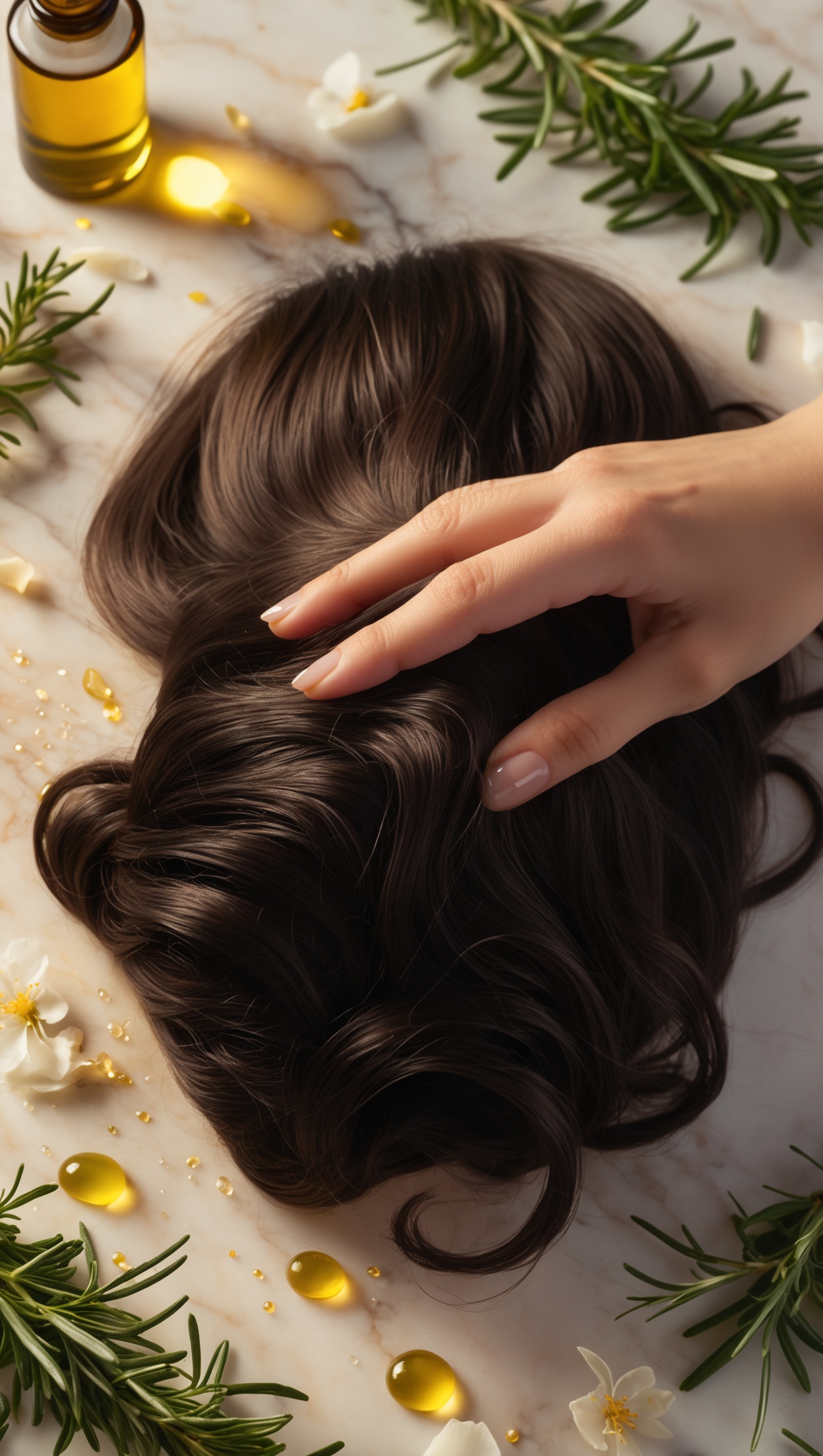
A daily scalp massage of just 4 minutes has been shown in studies to increase hair thickness over 24 weeks. It stimulates blood flow, encourages nutrient delivery to follicles, and can improve the absorption of topical treatments like minox. Pair massage with a derma roller (0.25mm–0.5mm) for even more powerful results — microneedling creates micro-channels in the scalp that allow active ingredients to penetrate deeper.
3. Nutrition and Supplements
Hair is made of protein, and your follicles need a steady supply of micronutrients to thrive. If you're over 40, consider adding the following to your routine:
- Biotin (Vitamin B7) — supports keratin production
- Iron and Ferritin — low levels are one of the leading causes of hair loss in women
- Vitamin D — deficiency is strongly linked to alopecia
- Zinc — essential for follicle repair and protein synthesis
- Omega-3 fatty acids — reduce scalp inflammation and nourish follicles
Always get blood work done before self-supplementing, as excess iron or biotin can cause other issues.
4. Hormone Therapy and Medical Consultation
If your hair loss is clearly connected to menopause, speak to your GP or gynaecologist about Hormone Replacement Therapy (HRT). Restoring oestrogen levels can slow androgenic hair loss for many women. Anti-androgens like spironolactone are also sometimes prescribed. These are not over-the-counter solutions — they require professional guidance — but for some women, they are genuinely life-changing.
5. Scalp-Focused Hair Care
Think of your scalp as the soil your hair grows from. A healthy scalp means healthier hair. Switch to a gentle, sulphate-free shampoo that won't strip natural oils, and consider adding a weekly scalp scrub to remove product build-up and dead skin cells. Look for ingredients like:
- Niacinamide — improves scalp circulation
- Caffeine — stimulates follicles topically
- Salicylic acid — clears clogged follicles
- Peppermint oil — shown in studies to rival minoxidil in follicle stimulation
Building Your Hair Recovery Routine
The most effective approach combines multiple strategies. Here's a simple starting framework:
- Morning: Apply minox to dry scalp, follow with gentle shampoo or leave as is, take your supplements
- Evening: Scalp massage for 4 minutes, optionally use a derma roller 1–2 times per week
- Weekly: Scalp scrub and deep conditioning treatment
- Monthly: Review your progress with photos taken in consistent lighting
When to See a Dermatologist
If you're losing more than 150 strands per day, noticing bald patches, or have tried over-the-counter solutions for 6+ months without improvement, it's time to see a dermatologist who specialises in trichology. They can run advanced blood panels, perform scalp biopsies if needed, and discuss in-clinic treatments like PRP (Platelet-Rich Plasma) therapy or low-level laser therapy (LLLT).
Final Thoughts
Hair loss after 40 is not something you simply have to accept. With options ranging from the clinically proven minox to holistic scalp care, targeted nutrition, and medical support, there are real, actionable paths to fuller, healthier hair. The key is starting sooner rather than later — hair follicles that are dormant can often be reactivated, but follicles that have fully closed cannot. Be patient, be consistent, and be kind to yourself in the process.
Discover the beauty brands we use and recommend: BINU Beauty for premium skincare, Voghion for fashion & beauty finds, and MINOX for luxury high fashion (Moncler, Burberry & more). Some links are affiliate links.