This article contains affiliate links. If you buy through them, we may earn a commission at no extra cost to you.
Hair Extensions and Clip-Ins for Volume – Beginner Guide
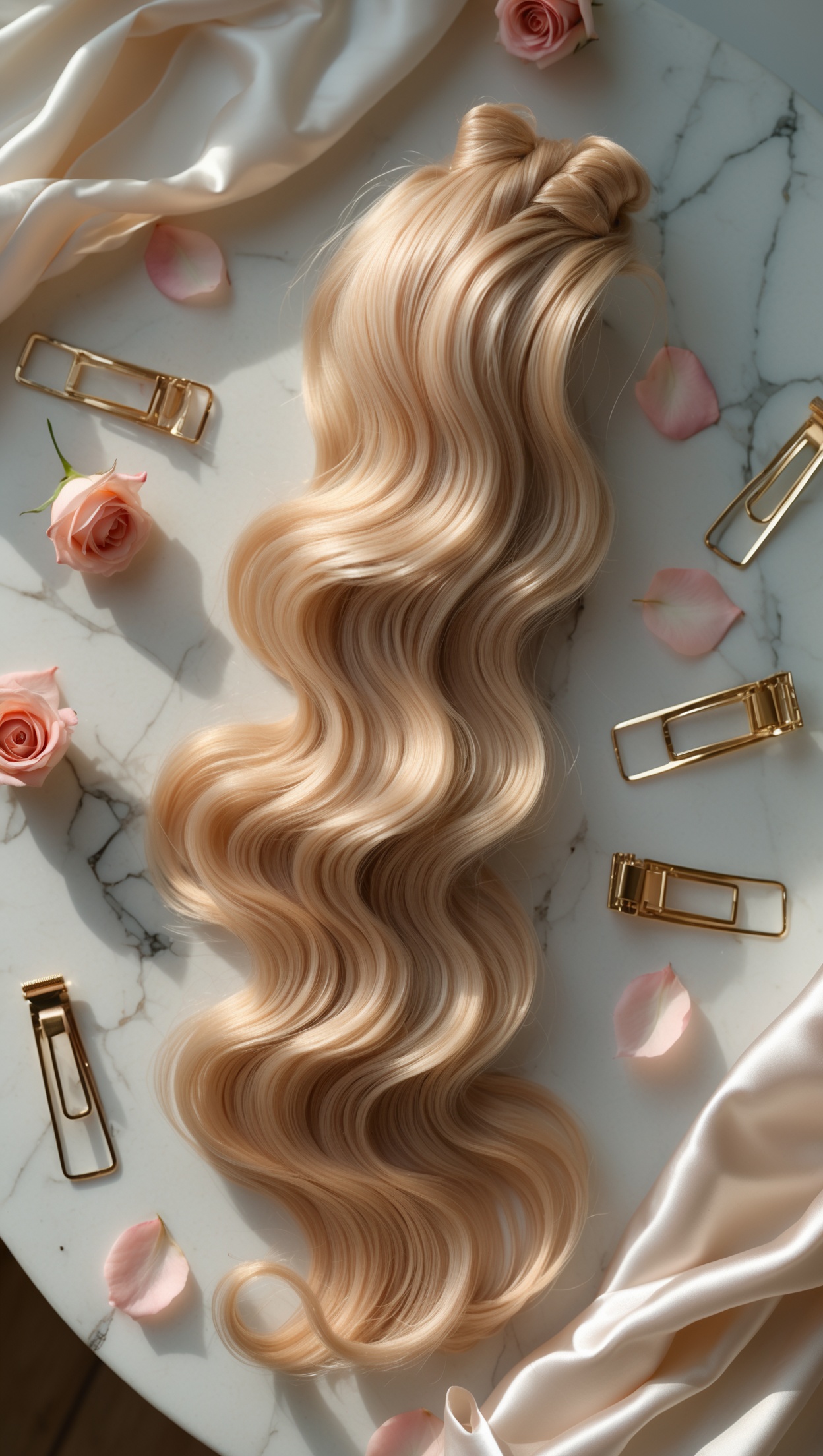
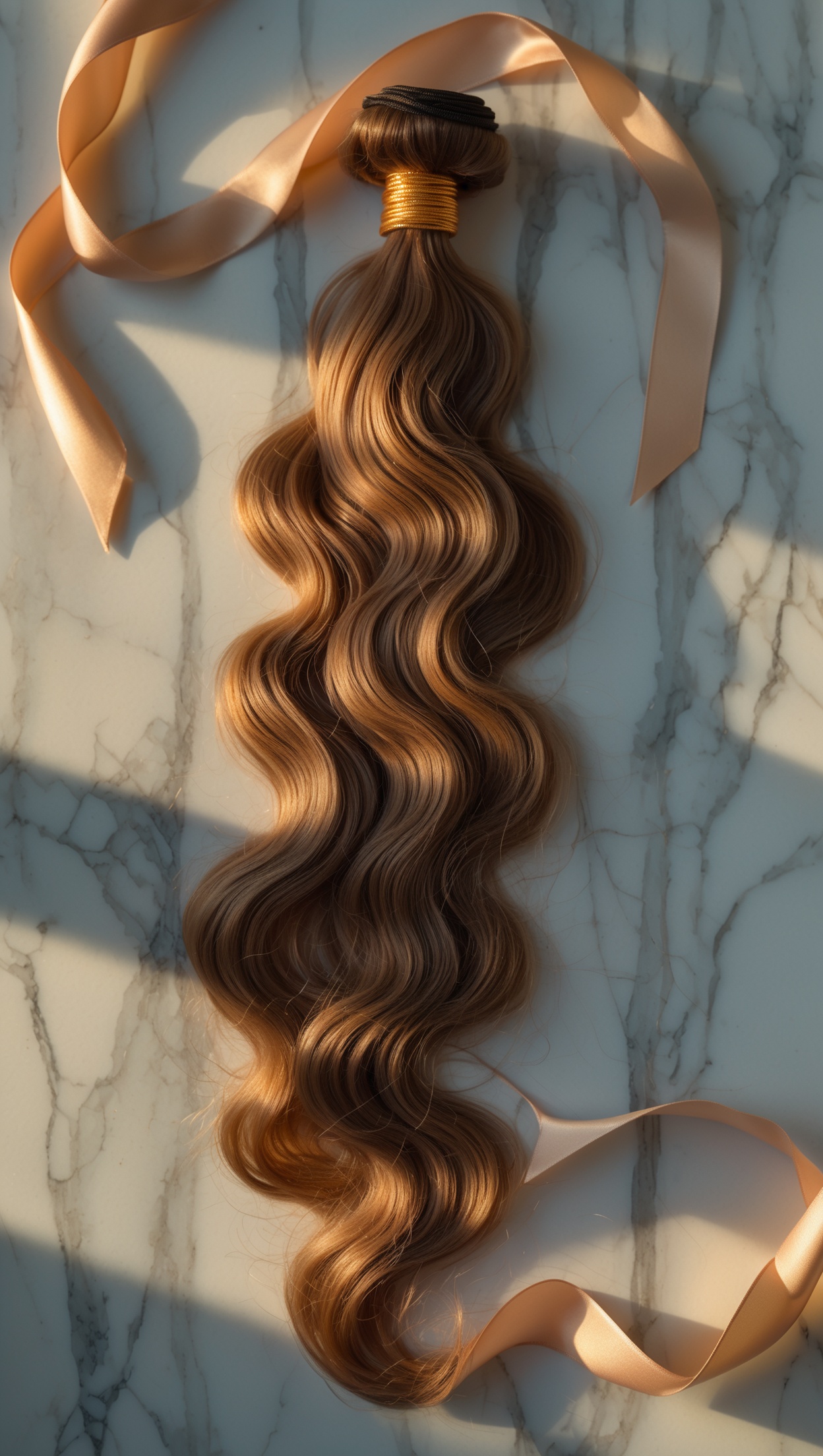
Fine, flat hair can feel limiting — you style it, you volumise it, and by midday it collapses again. Hair extensions and clip-ins offer a non-committal, affordable solution that transforms your look in minutes. Whether you want a fuller ponytail, cascading waves or just that extra boost at the crown, the right set can make all the difference. If you are looking for premium human hair options, you can browse ready-to-wear and full-volume styles from Zlike Hair — including glueless wear-and-go and lace styles — to find something that blends seamlessly with your natural hair.
Types of Hair Extensions Explained
Before you invest, it helps to know what is on the market. Each method suits a different lifestyle and hair type.
Clip-In Extensions
Clip-ins are the most beginner-friendly option. You attach small wefts of hair using pressure-sensitive clips, wear them for the day, and remove them at night. They cause no permanent damage and can be reused hundreds of times with proper care. They are ideal if you want volume on demand without a long-term commitment.
Tape-In Extensions
Tape-ins use a thin adhesive strip to bond wefts close to the scalp. A professional applies them in sections, and they last around six to eight weeks before needing repositioning. They lie flat and are nearly invisible, making them a favourite for a seamless finish.
Sew-In or Weft Extensions
Natural hair is braided into cornrows and extension wefts are sewn directly onto the braids. This method offers excellent durability — typically two to three months — and works especially well for thicker hair textures.
Micro-Ring and Nano-Ring Extensions
Individual strands are attached using tiny metal rings that are clamped shut. No heat or adhesive is involved, which appeals to those who want to minimise damage. They blend beautifully but require a skilled technician to apply and maintain.
Halo Extensions
A halo sits on a thin wire that rests on the crown of your head, hidden underneath your natural hair. No clips, no glue — just lift, place and style. Great for occasional wear and zero commitment.
How to Choose the Right Extension for Your Hair Type
- Fine hair: Clip-ins and halos are gentlest. Avoid heavy wefts that could strain fragile strands.
- Medium hair: Most methods work well. Tape-ins offer a particularly flat, natural blend.
- Thick or coarse hair: Sew-ins and micro-rings integrate best and hold through humidity and activity.
- Colour-treated hair: Always match the extension shade carefully, or opt for a set that can be toned to match.
Human Hair vs. Synthetic: Which Wins?
Human hair extensions can be washed, blow-dried, curled and straightened just like your own hair. They blend more naturally with your texture and reflect light the same way. Synthetic extensions are more budget-friendly but cannot withstand heat styling and tend to look less realistic over time.
For daily or near-daily wear, human hair is always the better long-term investment. If you only want extensions for a special occasion or a handful of events per year, a quality synthetic set can serve you well.
Step-by-Step: How to Apply Clip-In Extensions for Maximum Volume
- Prep your hair. Start with clean, dry hair. Lightly backcomb the roots at the crown to give the clips something to grip.
- Section your hair. Use a tail comb to create a horizontal parting from ear to ear. Clip your top section up and out of the way.
- Attach the first weft. Open the clips, position the weft about a centimetre from the parting, then snap the clips shut. Start with the widest weft at the back.
- Work upward. Release more hair, create another parting a few centimetres above the first, and attach the next weft. Repeat until you reach the crown section.
- Blend and style. Release your top layer of natural hair over the extensions. Run a wide-tooth comb through gently, then style with a curling wand or straightener to merge the textures.
Caring for Your Extensions So They Last
For Clip-Ins
- Remove every night — sleeping in clip-ins causes unnecessary stress on both the clips and your natural hair.
- Wash every eight to ten wears with a sulphate-free, moisture-rich shampoo.
- Air-dry laid flat on a towel to preserve the weft structure.
- Store in a satin pouch or box to prevent tangling and friction.
For Bonded or Semi-Permanent Extensions
- Brush from ends to roots with a loop or extension-safe brush daily.
- Apply a lightweight hair oil to the mid-lengths and ends — never to the bonds or tape.
- Avoid applying conditioner or heavy masks directly to attachment points as this loosens bonds.
- Schedule maintenance appointments on time. Leaving extensions in too long leads to matting.
Common Mistakes to Avoid
- Mismatched shade: Always compare extensions in natural daylight, not store lighting. Order a shade sample if possible.
- Too many wefts too high: Clips placed too close to the hairline will be visible when hair moves. Keep the top layer light.
- Skipping heat protection: Extensions do not benefit from scalp oils, so they dry out faster. Always apply a heat protectant before any hot tool use.
- Ignoring weight distribution: Concentrating too much extension weight in one section causes traction on the scalp. Spread wefts evenly.
Quick Tips for an Undetectable Blend
- Curl both your natural hair and the extensions together for a unified texture.
- Choose a shade that matches your ends, not your roots, for the most natural gradient effect.
- Tease the roots where clips attach to hide any visible line.
- Use a dry texture spray at the roots after application to add grip and disguise the attachment points.
If you want to add instant volume with real human hair, you can explore wear-and-go and lace styles via Zlike Hair — including glueless options and colored styles — to find a look that blends perfectly with your natural hair.