This article contains affiliate links. If you buy through them, we may earn a commission at no extra cost to you.
Gut Health and Skin: The Connection You Cannot Ignore
If you have ever noticed your skin breaking out after a stressful week or a few days of poor eating, you have already experienced the gut-skin axis in action. The relationship between your digestive system and the health of your complexion is one of the most exciting areas of modern skincare science — and understanding it can change the way you approach your beauty routine entirely.
For readers dealing with persistent redness, sensitivity or a disrupted skin barrier, a fragrance-free ceramide serum can help calm the surface while you work on the root cause. Quiet Dose offers a subscription ceramide serum with five ceramides, no essential oils and no strong acids — a gentle daily step for reactive skin types.
What Is the Gut-Skin Axis?
The gut-skin axis is the bidirectional communication between your gastrointestinal tract and your skin. Both organs share a surprisingly close relationship through the immune system, the nervous system and a network of shared microorganisms. When one is out of balance, the other often shows the signs.
Your gut houses trillions of bacteria, fungi and other microbes that together form your gut microbiome. This community plays a critical role in:
- Regulating inflammation throughout the body, including at skin level
- Supporting immune function, which directly affects how your skin responds to irritants and triggers
- Producing short-chain fatty acids that help maintain the skin barrier
- Synthesising vitamins such as B12 and K2 that contribute to healthy skin cell turnover
How an Unhealthy Gut Shows Up on Your Skin
When the microbial balance in your gut is disrupted — a condition called dysbiosis — the effects can ripple outward. Research has linked gut dysbiosis to a range of skin concerns, including:
Acne and Breakouts
An overgrowth of certain bacteria in the gut can increase systemic inflammation and raise levels of hormones like insulin-like growth factor 1 (IGF-1), both of which are known contributors to acne. Studies have found that people with acne often have lower levels of beneficial bacteria such as Lactobacillus and Bifidobacterium.
Rosacea and Redness
There is a well-documented link between rosacea and small intestinal bacterial overgrowth (SIBO). When the gut lining becomes more permeable — commonly called leaky gut — bacterial fragments can enter the bloodstream and trigger inflammatory reactions that show up as persistent facial redness and flushing.
Eczema and Sensitive Skin
The gut microbiome is closely involved in training the immune system during early life, and disruptions have been consistently associated with atopic dermatitis (eczema). Adults with sensitive or reactive skin often show signs of reduced microbial diversity in the gut.
Dull, Uneven Skin Tone
Chronic low-grade gut inflammation can slow down cellular renewal and impair nutrient absorption, leaving skin looking tired, grey or uneven even when your topical routine is on point.
Nutrition Habits That Support Both Gut and Skin
The good news is that the gut microbiome is highly responsive to diet. Small, consistent changes to what you eat can shift the microbial balance and, over time, reflect positively in your complexion.
1. Eat More Fermented Foods
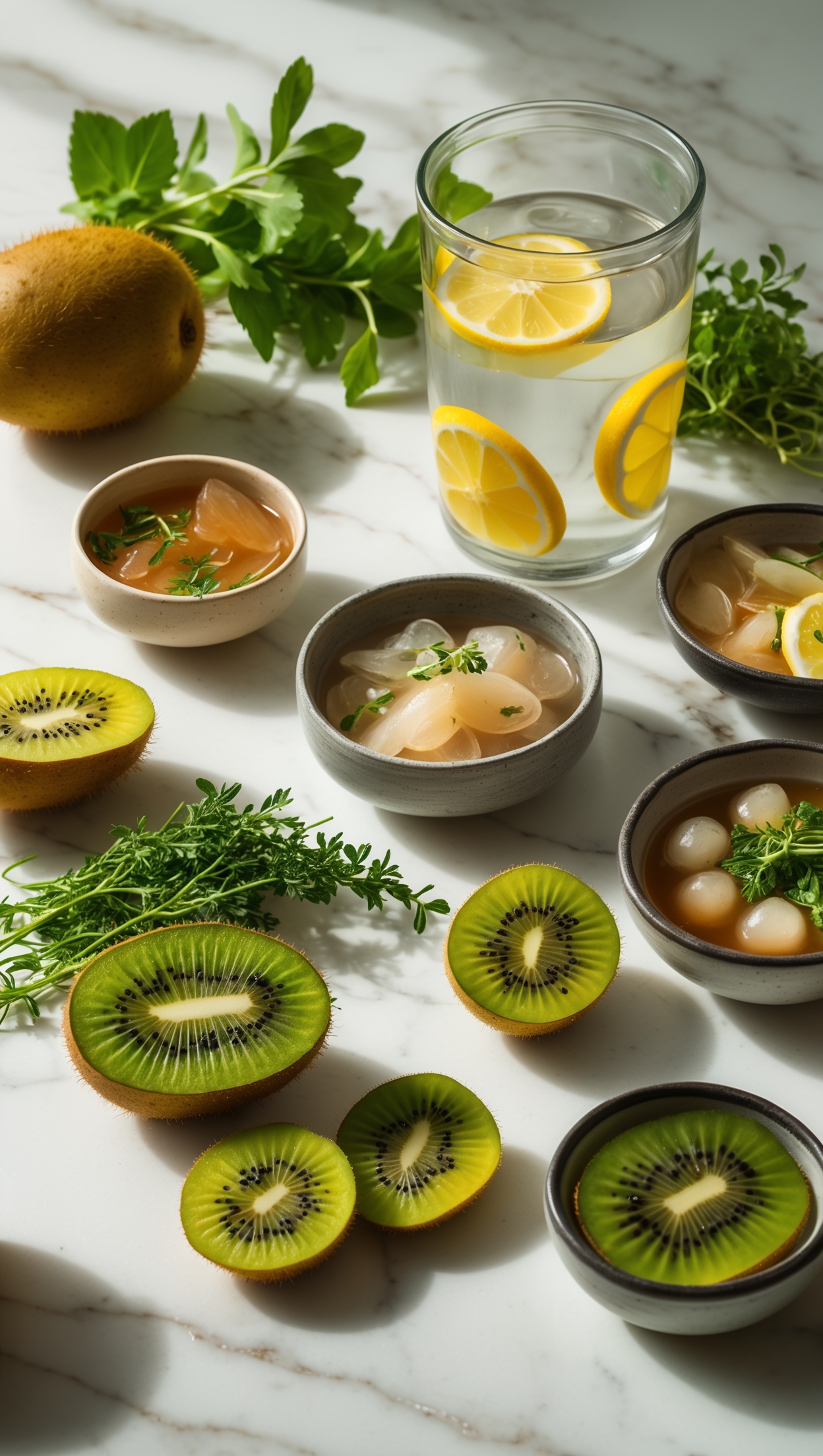
Yoghurt, kefir, kimchi, sauerkraut, miso and kombucha are all rich in live cultures that add beneficial bacteria directly to your gut. Aim to include at least one fermented food daily rather than relying solely on supplements.
2. Prioritise Fibre
Dietary fibre is the primary food source for the beneficial bacteria in your gut. Prebiotic-rich foods — including garlic, onion, leeks, oats, asparagus and bananas — help feed and sustain a diverse microbiome. Diversity is key: a wider range of bacteria is associated with better immune regulation and less inflammation.
3. Reduce Ultra-Processed Foods and Added Sugar
High-sugar and ultra-processed diets are among the fastest ways to disrupt microbial balance. They promote the growth of harmful bacteria, increase intestinal permeability and spike insulin — a triple threat for the skin.
4. Stay Hydrated
Adequate water intake supports the mucosal lining of the gut and helps move waste through efficiently, reducing the internal toxic load that can manifest as congested or dull skin.
5. Consider a Targeted Wellness Supplement
If you are looking to support the gut-brain-skin connection through nutrition, braingood focuses on the gut-brain axis with nutrition products designed to complement a balanced lifestyle. No health claims, just thoughtful formulation.
Skincare Habits That Work With Your Gut Health Efforts
While diet works from the inside, your topical routine can reinforce the results on the outside — especially if your skin barrier has already been compromised by internal inflammation.
- Use gentle, fragrance-free products to avoid adding external irritants on top of internal inflammation
- Support your skin barrier with ceramides, which mimic the lipids naturally found in healthy skin and help lock in moisture
- Avoid over-exfoliating, which can weaken an already stressed skin barrier
- Apply SPF daily, as inflamed skin is more vulnerable to UV-induced damage and hyperpigmentation
How Long Before You See Results?
The gut microbiome can begin to shift within days of dietary changes, but visible skin improvements typically take longer — usually four to twelve weeks of consistent effort. Think of it as a slow rebuild rather than a quick fix. Pair your gut-focused nutrition routine with a calming topical approach and give your skin the time it needs to settle.
The Takeaway
Your skin is not an isolated organ. It is a reflection of what is happening inside — and the gut is one of the most powerful internal levers you can work with. By nourishing your microbiome through food, managing stress and supporting your skin barrier with the right products, you give your complexion the best possible foundation for lasting clarity and radiance.
If you have sensitive or reactive skin that flares up alongside gut imbalances, you can support your skin barrier via Quiet Dose — including a fragrance-free five-ceramide serum with no essential oils or strong acids — to calm redness and strengthen your skin from the outside while you work on the inside.