This article contains affiliate links. If you buy through them, we may earn a commission at no extra cost to you.
Gua Sha and Facial Massage for Lifted, Sculpted Skin
If you've been scrolling through skincare feeds lately, you've almost certainly come across the smooth, sculpted stone known as the Gua Sha. But this ancient beauty ritual is far more than a social media trend — it's a time-tested technique rooted in Traditional Chinese Medicine that is now taking the modern skincare world by storm. Combined with intentional facial massage, Gua Sha can transform your daily routine into a powerful, lifting and lymph-draining ritual that your skin will absolutely love.
What Is Gua Sha?
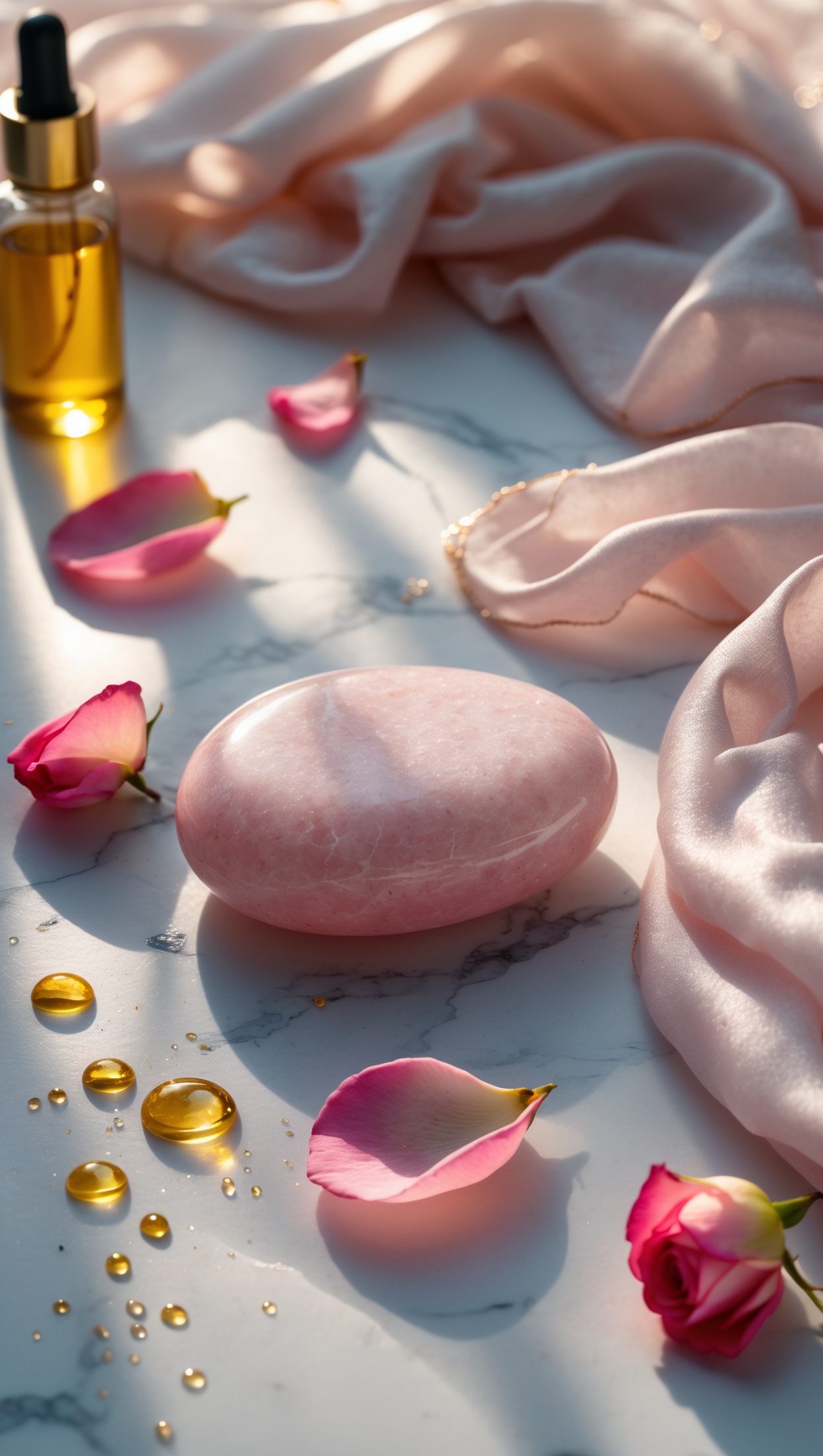
Gua Sha (pronounced "gwah-shah") is a traditional East Asian healing practice that involves using a flat, smooth tool — typically made from rose quartz, jade or bian stone — to apply gentle yet firm pressure along the contours of the face and neck. The name literally translates to "scraping" in Chinese, though the facial version is far gentler than its body counterpart.
When used correctly, Gua Sha works by:
- Stimulating lymphatic drainage to reduce puffiness and remove toxins
- Boosting circulation to deliver oxygen and nutrients to skin cells
- Releasing facial tension held in the jaw, brow and temples
- Encouraging collagen production for firmer, more youthful-looking skin
- Sculpting and defining the jawline, cheekbones and brow area
Choosing the Right Gua Sha Tool
Not all Gua Sha tools are created equal. The material, shape and quality of your stone matter enormously. Here's a quick guide:
- Rose Quartz — Stays cool, ideal for sensitive and inflamed skin. Often associated with self-love and calming energy.
- Jade — A classic choice, naturally cool and grounding. Great for normal to combination skin.
- Bian Stone — More advanced and deeply therapeutic. Contains trace minerals believed to benefit skin health.
- Stainless Steel — Hygienic, easy to clean and stays cool. A modern favourite for precision sculpting.
Look for tools with multiple edges — a curved edge for larger areas like the cheeks and forehead, and a notched or pointed edge for the jawline and under-eye area.
How to Use Gua Sha for Maximum Lifting Effect
Step 1: Cleanse and Prep Your Skin
Always begin on freshly cleansed skin. Apply a generous layer of facial oil or serum — this is essential for allowing the tool to glide smoothly without pulling or tugging at the skin. A dry face is a no-go for Gua Sha. Choose a nourishing facial oil rich in antioxidants and skin-loving botanicals for the best results.
Step 2: Start at the Neck
Before working on the face, always open the lymphatic pathways in the neck first. Use long, sweeping strokes from the collarbone upward, moving toward the ears. This creates space for lymph to drain effectively from the face.
Step 3: Work Your Way Up the Face
Using light-to-medium pressure, work with the flat side of your Gua Sha tool in upward and outward strokes. Always move away from the centre of the face. Follow this order:
- Chin to ear — along the jawline (great for definition)
- Mouth corner to hairline — across the cheek (for a lifted cheekbone effect)
- Nose bridge to temple — under the eye (use very gentle pressure here)
- Centre of brow to temple — along the brow bone (to open and lift the eye area)
- Centre of forehead to hairline — upward strokes (to smooth expression lines)
Repeat each stroke 3 to 5 times per area. Consistency is key — doing this daily or at least four times a week will yield the most visible results over time.
The Power of Facial Massage Alongside Gua Sha
You don't always need a tool to enjoy the benefits of facial massage. Using your fingertips, you can complement your Gua Sha routine with targeted massage techniques:
- Effleurage — Light, sweeping strokes to warm up the skin and encourage circulation
- Pinching — Gentle pinching along the jawline and chin to stimulate collagen
- Knuckling — Using the knuckles to release tension in the jaw muscles
- Tapping — Gentle fingertip tapping around the eye area to reduce puffiness
Combining these techniques with Gua Sha gives you a comprehensive, multi-dimensional facial workout that rivals any salon treatment.
Best Time to Do Gua Sha
Morning is ideal for a lymphatic drainage focus — it helps deflate overnight puffiness and wakes up the skin with a gorgeous flush of colour. Evening sessions work beautifully for relaxation and tension release — perfect after a long day when your jaw has been clenched without you even noticing.
Tips for Getting the Best Results
- Always use a facial oil or serum — never drag the tool on dry skin
- Keep your pressure light to medium — you are not trying to bruise the face
- Clean your Gua Sha tool after every use with gentle soap and water
- Store it in the fridge for an extra de-puffing, cooling effect
- Be consistent — results build over weeks, not days
- Avoid using Gua Sha over active breakouts, sunburned skin or open wounds
What Results Can You Expect?
With regular practice, most people notice a significant reduction in facial puffiness, more defined cheekbones and jawline, brighter and more even-toned skin, softer expression lines and an overall more lifted and sculpted appearance. It truly is one of the most rewarding and meditative skincare rituals you can adopt.
Final Thoughts
Gua Sha and facial massage are not magic — but with patience, the right technique and quality tools, they absolutely can transform the way your skin looks and feels. The ritual itself is just as valuable as the results: a few mindful minutes carved out just for you, to connect with your skin and honour it with the care it deserves.
Ready to start your Gua Sha journey? Explore the full range of facial tools and skin-nourishing oils available at eclat-beauty.eu and build your perfect lifting ritual today.
Discover the beauty brands we use and recommend: BINU Beauty for premium skincare, Voghion for fashion & beauty finds, and MINOX for luxury high fashion (Moncler, Burberry & more). Some links are affiliate links.