This article contains affiliate links. If you buy through them, we may earn a commission at no extra cost to you.
Face Masks for Every Skin Concern – How to Choose the Right One
A good face mask can do in twenty minutes what your daily routine sometimes takes weeks to achieve. Whether you are dealing with persistent breakouts, tight and flaky skin, or an uneven complexion that refuses to glow, there is a mask formulated precisely for your concern. The challenge is knowing which one to reach for – and how to use it correctly.
This guide walks you through the most common skin concerns and pairs each one with the mask type that genuinely addresses it, so you can stop guessing and start seeing results.
Why Face Masks Work Differently from Serums and Moisturisers
Serums and moisturisers are designed to be absorbed quickly and worn throughout the day. Masks, by contrast, stay on the skin for an extended period – typically ten to twenty minutes – which allows active ingredients to penetrate more deeply and work at a higher concentration. Think of a mask as an intensive treatment rather than a daily maintenance step. Used once or twice a week, the right mask can meaningfully shift the texture, tone and hydration level of your skin.
Clay and Charcoal Masks – Best for Oily and Acne-Prone Skin
If your skin produces excess sebum, looks shiny by midday, or struggles with clogged pores and breakouts, a clay or charcoal mask is your most reliable ally. Kaolin and bentonite clay work by drawing impurities and excess oil out of the pore. Activated charcoal adds an extra layer of adsorption, binding to pollutants and debris.
- Apply to a cleansed face two to three times a week at most – over-masking with clay can strip the barrier.
- Remove before the mask dries completely and feels tight; that point of over-drying actually stresses the skin.
- Follow immediately with a lightweight, non-comedogenic moisturiser to prevent the skin from compensating by producing more oil.
Look for masks that pair clay with soothing ingredients such as niacinamide, green tea extract or aloe vera so the purifying effect does not tip into irritation.
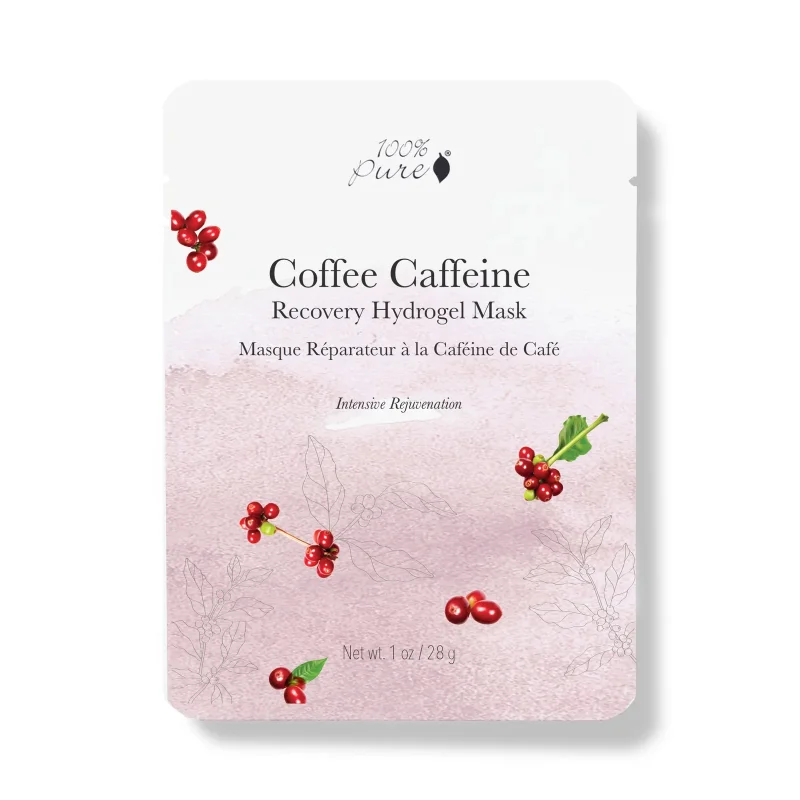
Sheet Masks – Best for Dehydrated and Dull Skin
Sheet masks are saturated with a serum-like essence and hold it in close contact with the skin for ten to fifteen minutes. This occlusive effect drives humectants like hyaluronic acid and glycerin deeper into the skin, delivering an immediate plumping and brightening result. They are the go-to mask for skin that looks tired, feels tight or has lost its natural radiance.
- Use a sheet mask on clean, slightly damp skin to maximise absorption.
- Pat – do not rub – the remaining essence into the skin once you remove the sheet.
- They are single-use and non-reusable, so opt for biodegradable fibres where possible.
Sheet masks are also ideal as a quick pick-me-up before a special event when you need your skin to look its best within the hour.
Cream and Sleeping Masks – Best for Dry and Mature Skin
Dry and mature skin needs sustained moisture rather than deep cleansing. Cream masks and overnight sleeping masks are rich in emollients, occlusives and nourishing ingredients such as shea butter, ceramides, squalane and peptides. They reinforce the skin's lipid barrier while you rest, waking you up with noticeably softer and more supple skin.
- Apply a generous layer as the final step in your evening routine.
- Choose formulas without fragrance if your barrier is already compromised.
- If your skin is very dry, layer a hydrating serum underneath before applying the mask.
Sleeping masks are especially useful in winter when heating systems reduce indoor humidity and strip moisture from the skin overnight.
Enzyme and Exfoliating Masks – Best for Uneven Texture and Hyperpigmentation
Chemical exfoliating masks use AHAs (such as lactic or glycolic acid) or natural fruit enzymes (such as papain from papaya or bromelain from pineapple) to dissolve the bonds between dead skin cells. The result is a smoother surface, reduced appearance of dark spots and a more even skin tone – without any physical scrubbing.
- Limit use to once a week to avoid over-exfoliation.
- Always follow with SPF the next morning, as freshly exfoliated skin is more sensitive to UV damage.
- Those with sensitive or reactive skin should start with enzyme-based versions before progressing to acid-based formulas.
Calming and Barrier-Repair Masks – Best for Sensitive and Reactive Skin
Sensitive skin reacts to environmental stressors, product changes and even temperature shifts with redness, stinging or tightness. The priority here is not deep cleansing or exfoliation but calming inflammation and rebuilding the skin barrier. Look for masks containing oat extract, centella asiatica, allantoin, panthenol and ceramides. These ingredients reduce reactivity while restoring the skin's protective film.
- Avoid masks with essential oils, alcohol, synthetic fragrance or strong acids.
- Perform a patch test on your inner arm before applying a new formula to your face.
- Use two to three times a week as part of a gentle, consistent routine.
Multi-Masking – Targeting Multiple Concerns at Once
Most people have more than one skin concern happening simultaneously. An oily T-zone combined with dry cheeks, or a generally dehydrated skin that also breaks out – these are normal combinations. Multi-masking means applying different masks to different zones of the face at the same time. A clay mask on the forehead and nose, and a cream mask on the cheeks, is a perfectly valid strategy that lets you treat each area with exactly what it needs.
How to Build Masking Into Your Weekly Routine
Face masks are most effective when used consistently as a supplement to – not a replacement for – your daily cleansing, serum and moisturiser routine. A practical framework:
- Monday: Exfoliating or enzyme mask to start the week with fresh skin.
- Wednesday or Thursday: Hydrating sheet mask or sleeping mask mid-week boost.
- Saturday: Clay or charcoal mask to deep-cleanse after a week of makeup and pollution exposure.
Adjust frequency based on how your skin responds. If you notice dryness or sensitivity increasing, reduce the number of masking sessions and focus on barrier repair.
Final Thoughts
Choosing a face mask by skin concern rather than by trend or packaging is the most direct path to visible improvement. Clay for oily and acne-prone skin, sheet masks for dehydration, cream masks for dryness and maturity, exfoliating masks for texture and tone, and calming masks for sensitivity – each has a clear job to do. Combine the right formula with the right frequency, and masking becomes one of the most rewarding steps in your skincare week.
If you are looking for face masks and skincare tools that fit your routine without overspending, you can explore the range via Voghion — including beauty tools and accessories with factory-direct prices and 30-day returns — to find everything you need in one place.